
Robot Deployment.
10 articles
Commercial vs Domestic Cleaning Robots: How Do They Compare with a Roomba?
If a robot can vacuum your home, could the same idea work in a hotel or office? It is a sensible question, particularly for a business owner already familiar with an iRobot Roomba.
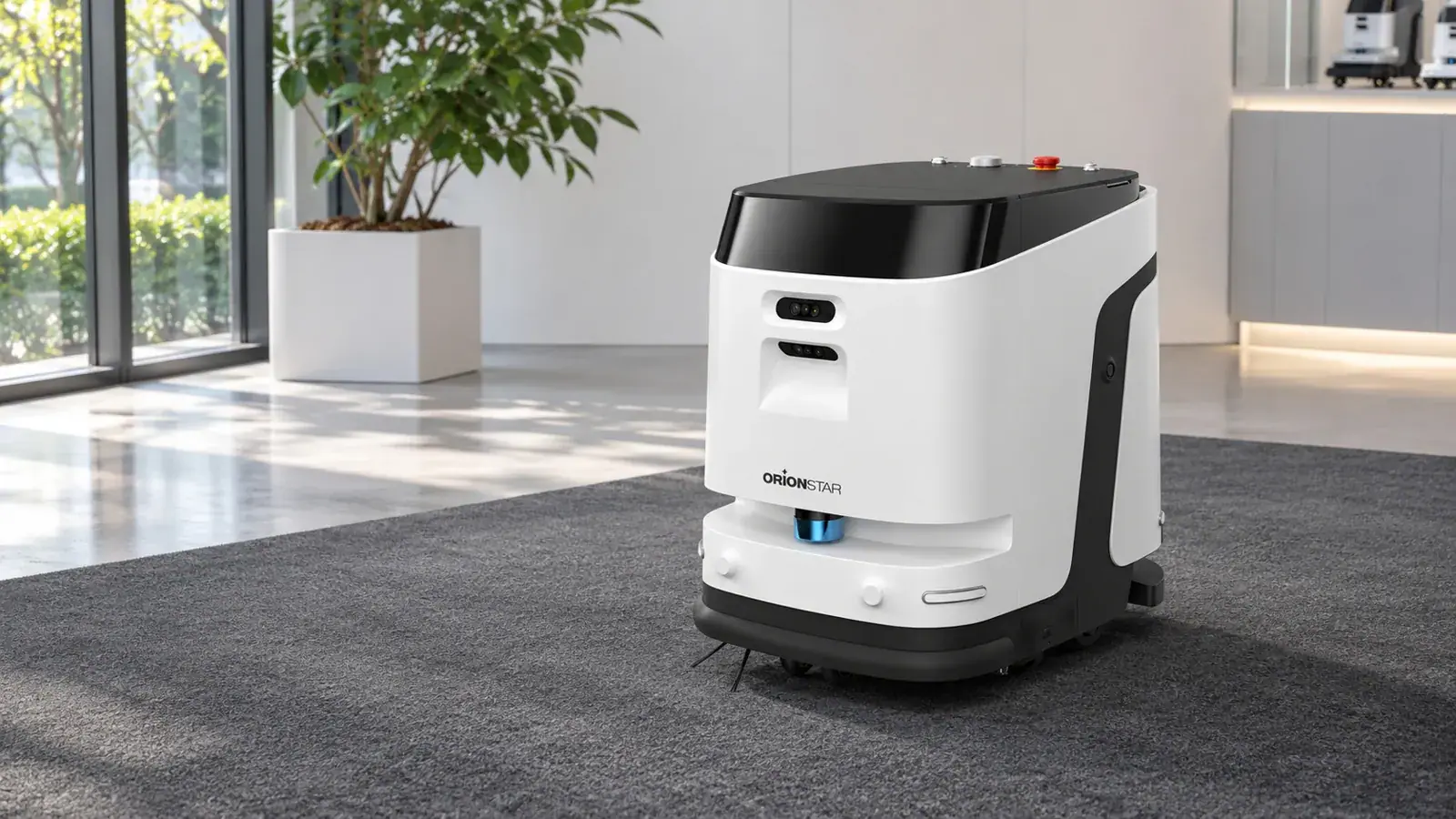
OrionStar CleaniBot K1: Commercial Vacuuming for Carpets, Corridors and Offices
Carpeted corridors present a familiar problem. They may look clean from one end, yet dust, grit and hair collect steadily as people move through the building. Vacuuming them is necessary, repetitive work, and long corridors can absorb a…
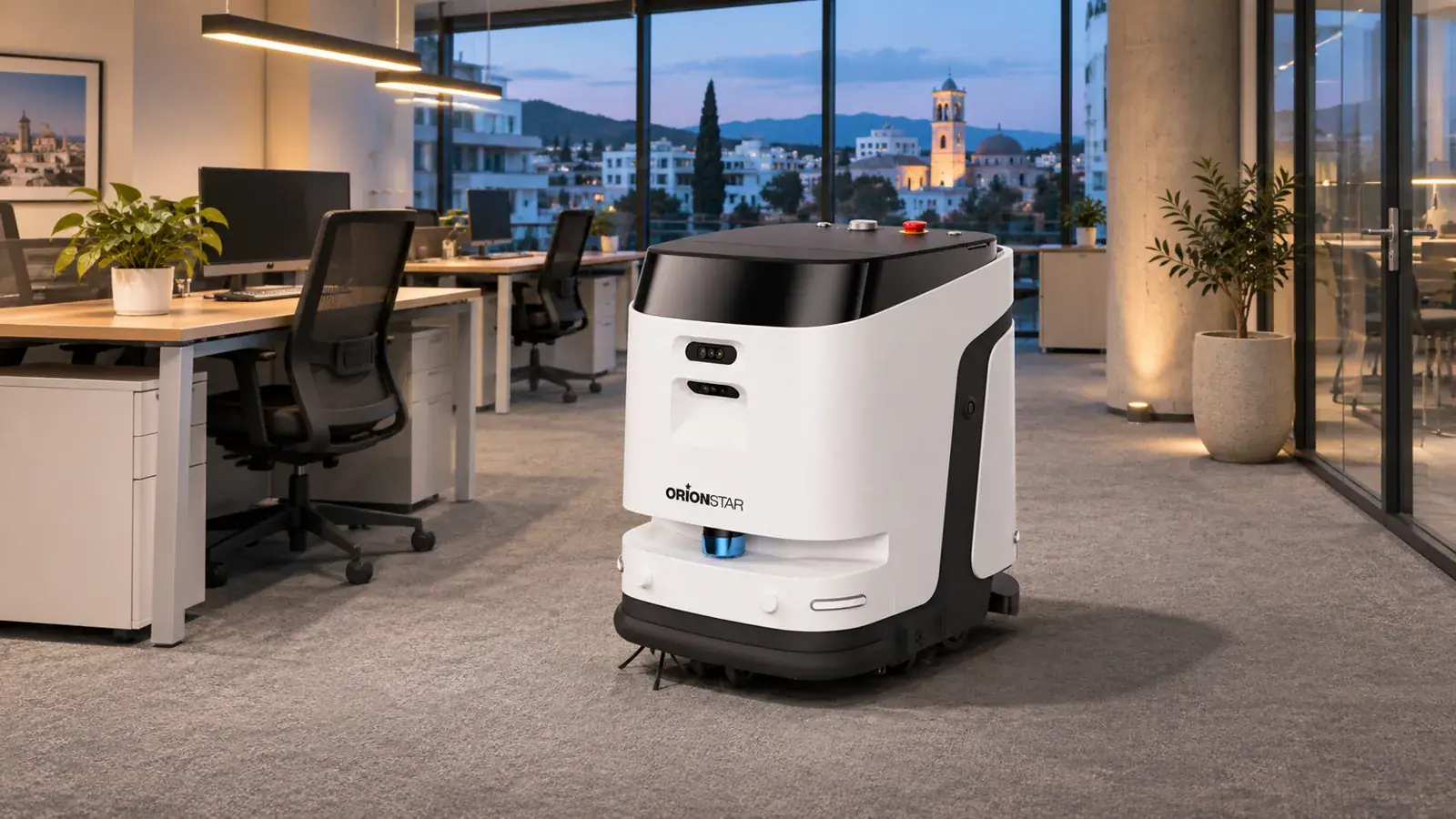
How Many Robots Do You Need? Sizing Your Fleet
Buying or renting a restaurant robot is one question. Choosing the right number of robots is another. In most venues, one robot can already make a visible difference, but the ideal setup depends on layout, traffic, service style, and how intensively the robot will be used. Fleet sizing is not about buying as many robots…
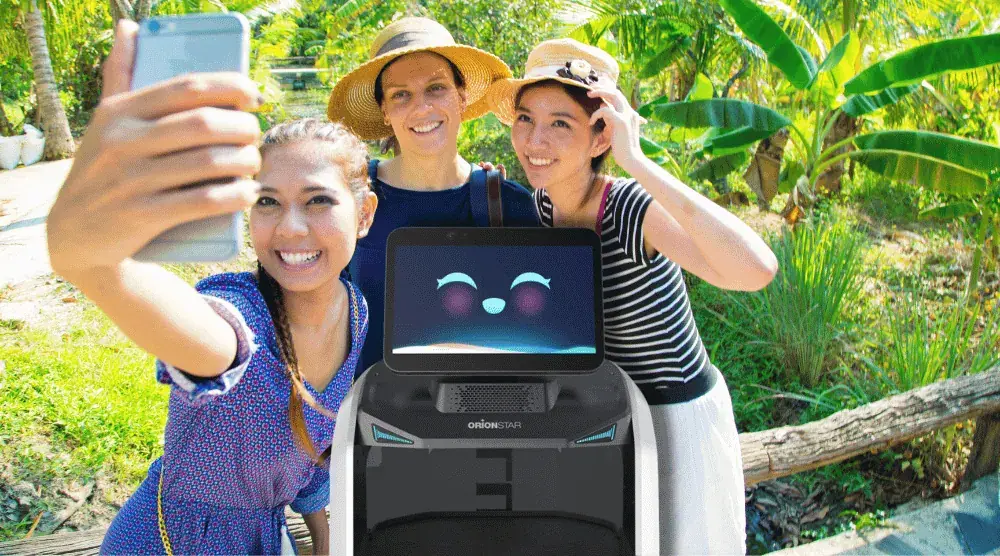
Regulations & Insurance – What Owners Should Check in Cyprus
Introducing a service robot into a restaurant, hotel, shopping mall, or event venue is not only an operational decision. It is also a responsibility. The robot will move near guests, staff, furniture, and equipment, so owners should understand the basic safety, insurance, and contract points before deployment. This is not legal advice, but it is…
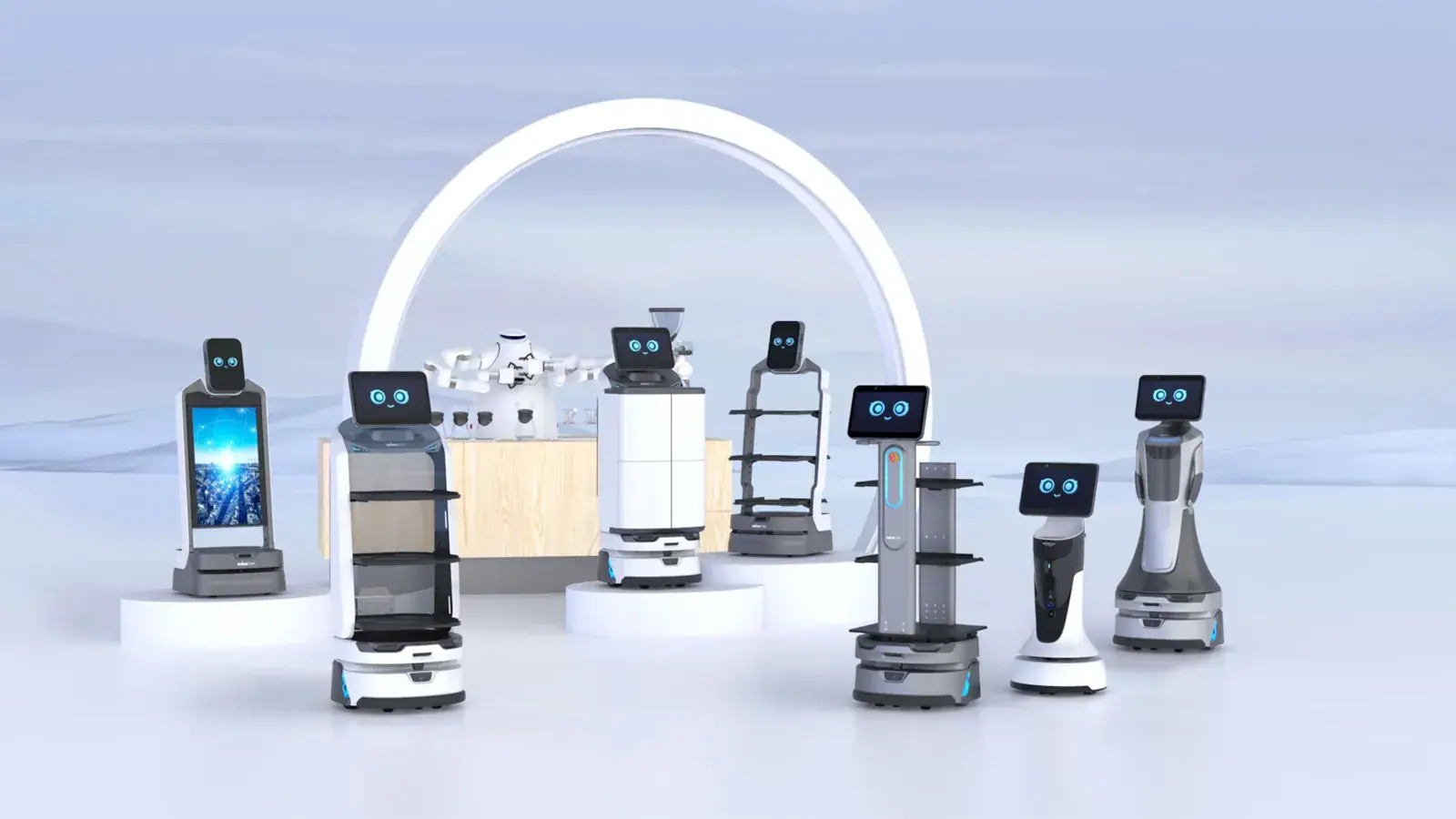
How to Run a Low-Risk Pilot Program with Service Robots?
Introducing a restaurant robot does not have to be a big, risky decision. In fact, the smartest way to start is often with a short pilot program. A pilot allows you to test the robot in real service conditions, observe your team’s reaction, measure results, and decide what makes sense before committing to a long-term…
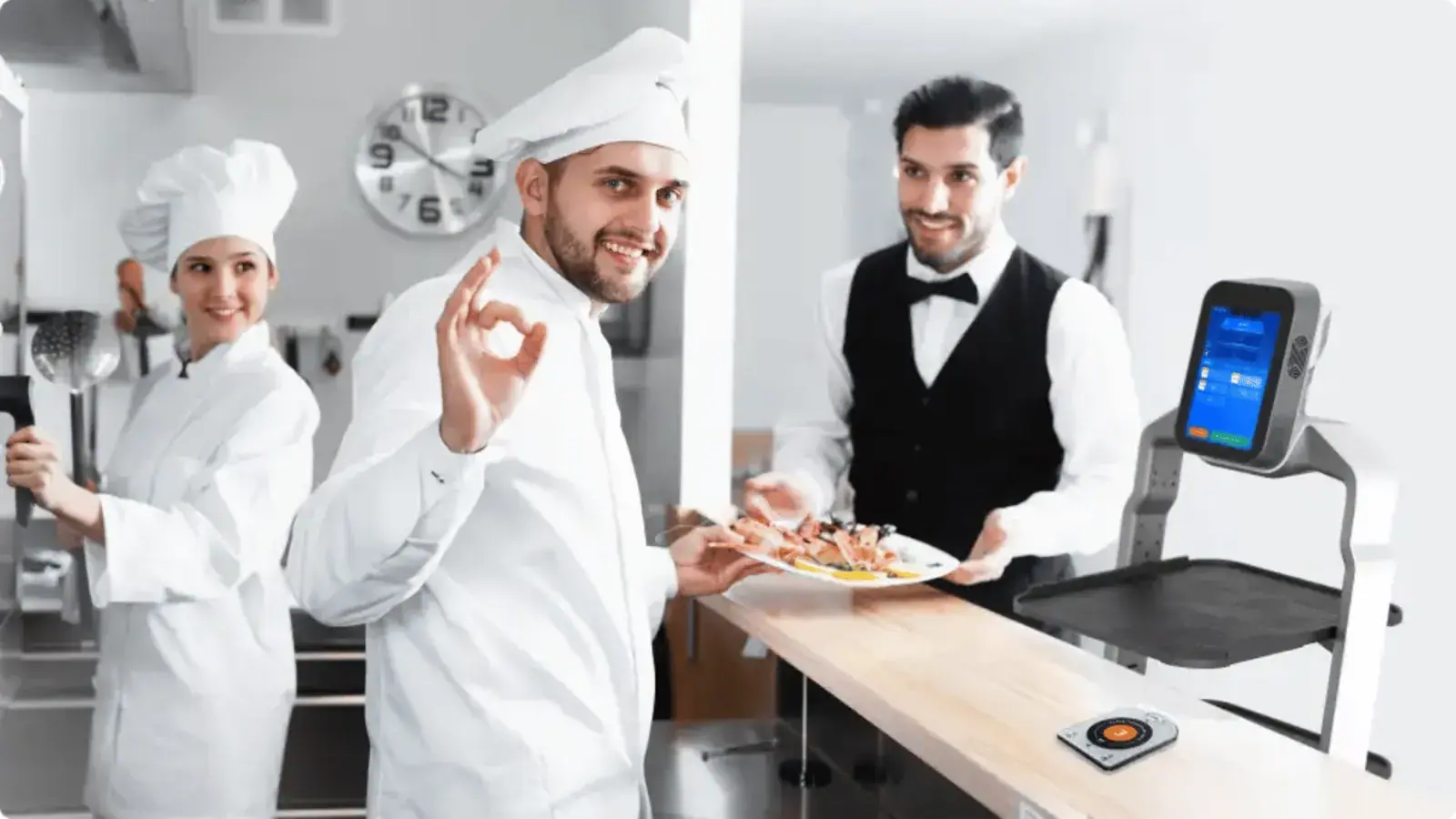
Quick Wins. 10 Small Changes Before Introducing a Robot
Bringing a restaurant robot into your venue is not just about the technology itself. The biggest improvements often come from small operational adjustments made before the robot even arrives. Many restaurants assume they need a major redesign. In reality, a few targeted changes can significantly improve how a robot performs from day one. These are…
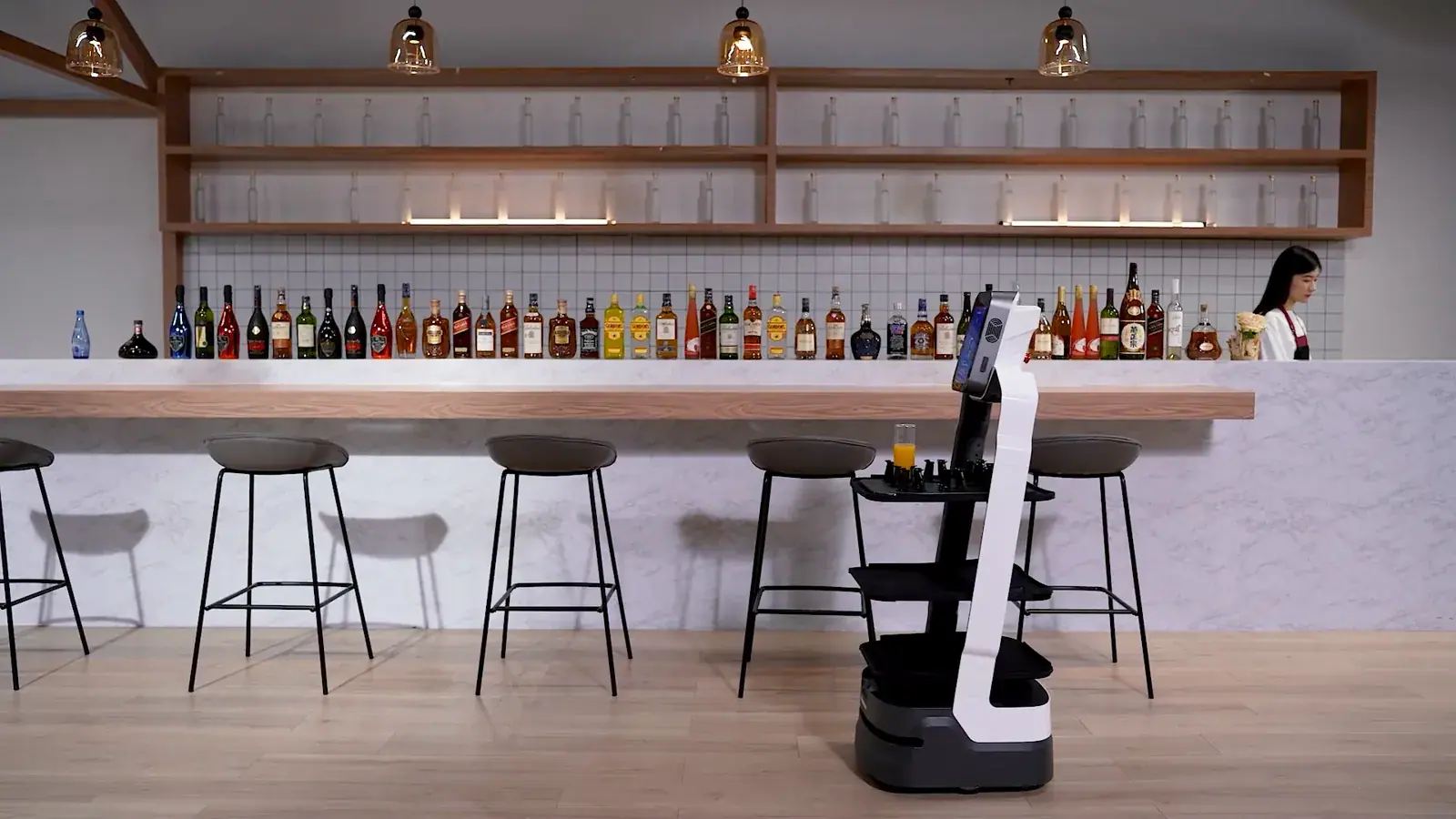
How to Measure Success? KPIs for Robot Integration
Introducing a service robot into your restaurant or hotel is a practical step toward improving operations. But to understand whether it actually delivers value, you need to measure it. This is where KPIs – key performance indicators – become essential. A well-implemented robot integration should not be judged by impressions or novelty. It should be…
Top 7 Operational Mistakes When Deploying Service Robots
Introducing a service robot into a hospitality environment can significantly improve efficiency, but only when the deployment is handled correctly. Many venues expect immediate results and underestimate how operational decisions impact performance. In practice, most issues are not caused by the robot itself, but by how it is implemented, configured, and integrated into daily workflows.…
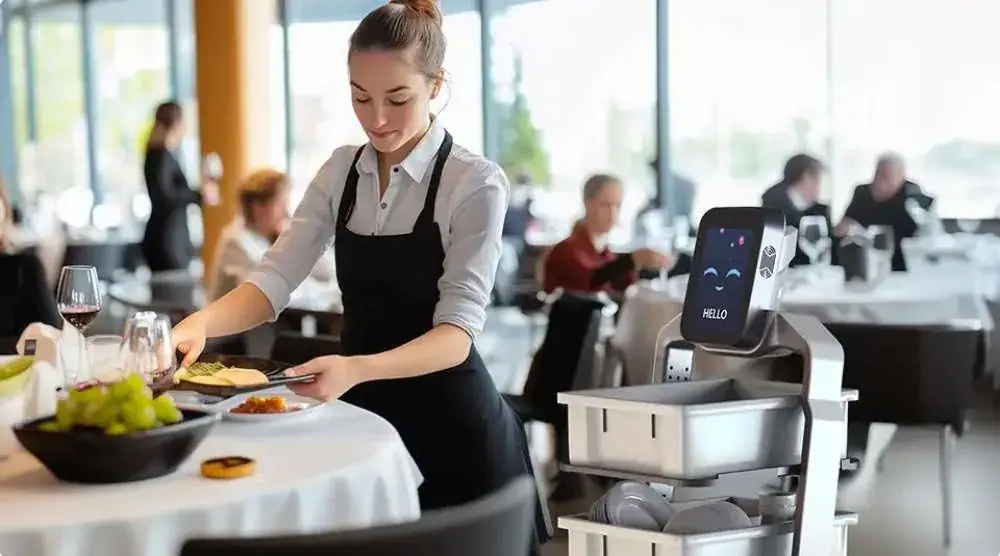
Preparing Your Kitchen and Staff for Robot Integration
Introducing a service robot into a restaurant is not a complex process, but it does require some preparation. The technology itself is ready to work almost immediately. The real impact depends on how well your kitchen and team adapt to a slightly different workflow. A well-prepared setup ensures that the robot becomes a natural part…
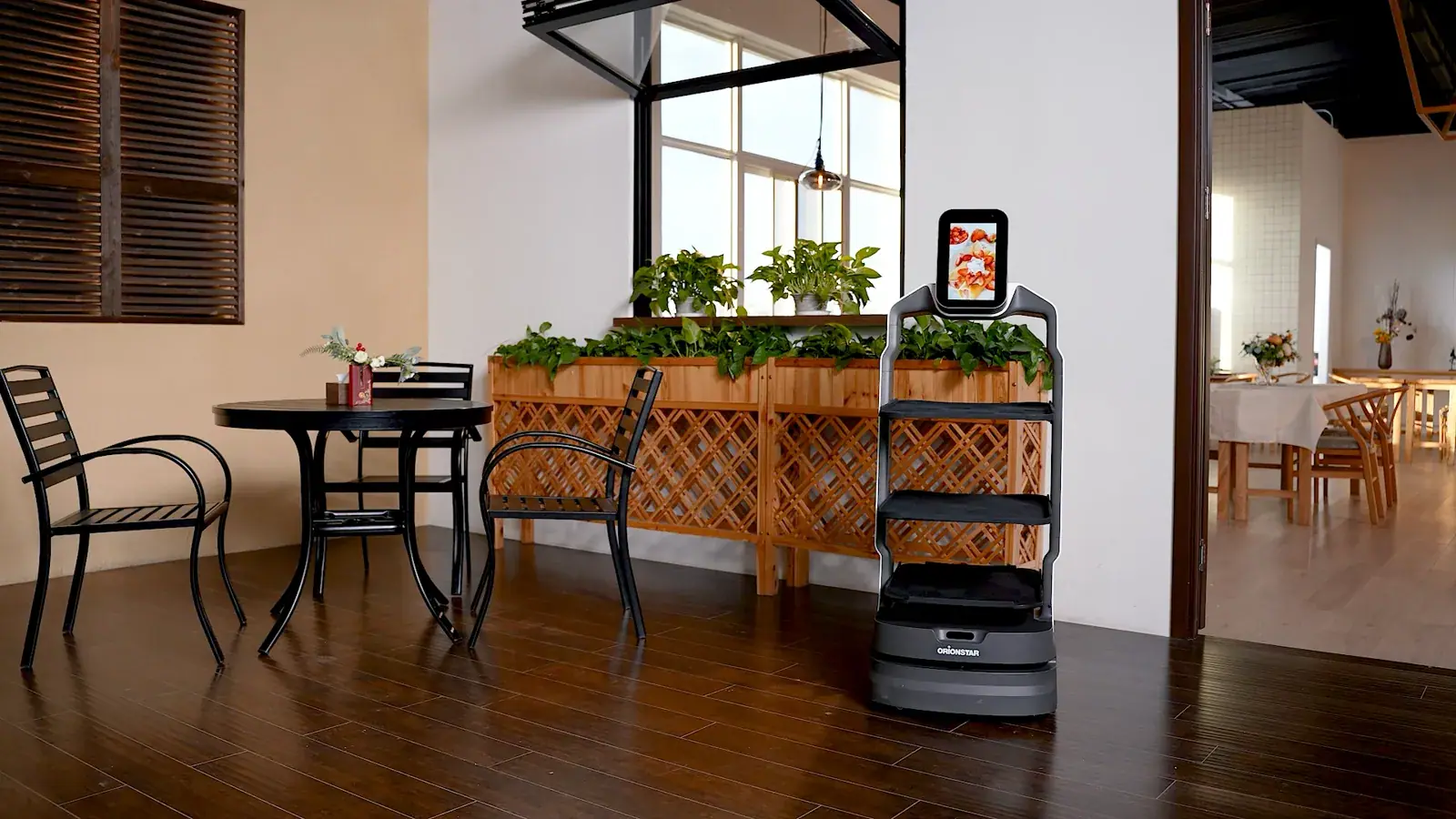
How to Map Your Restaurant for a Service Robot – Quick Guide
Accurate mapping is the single most important step that determines how efficiently your restaurant robot will perform during daily service. If the map is precise, the robot moves smoothly, avoids obstacles, and optimizes routes. If the map is careless, performance suffers. The good news? Mapping a restaurant robot is straightforward, practical, and usually takes about…

Bring smart robotics to your space.
Let’s start with a simple conversation. Discover how automation can boost your daily efficiency, cut operational costs, and amaze your clients.