
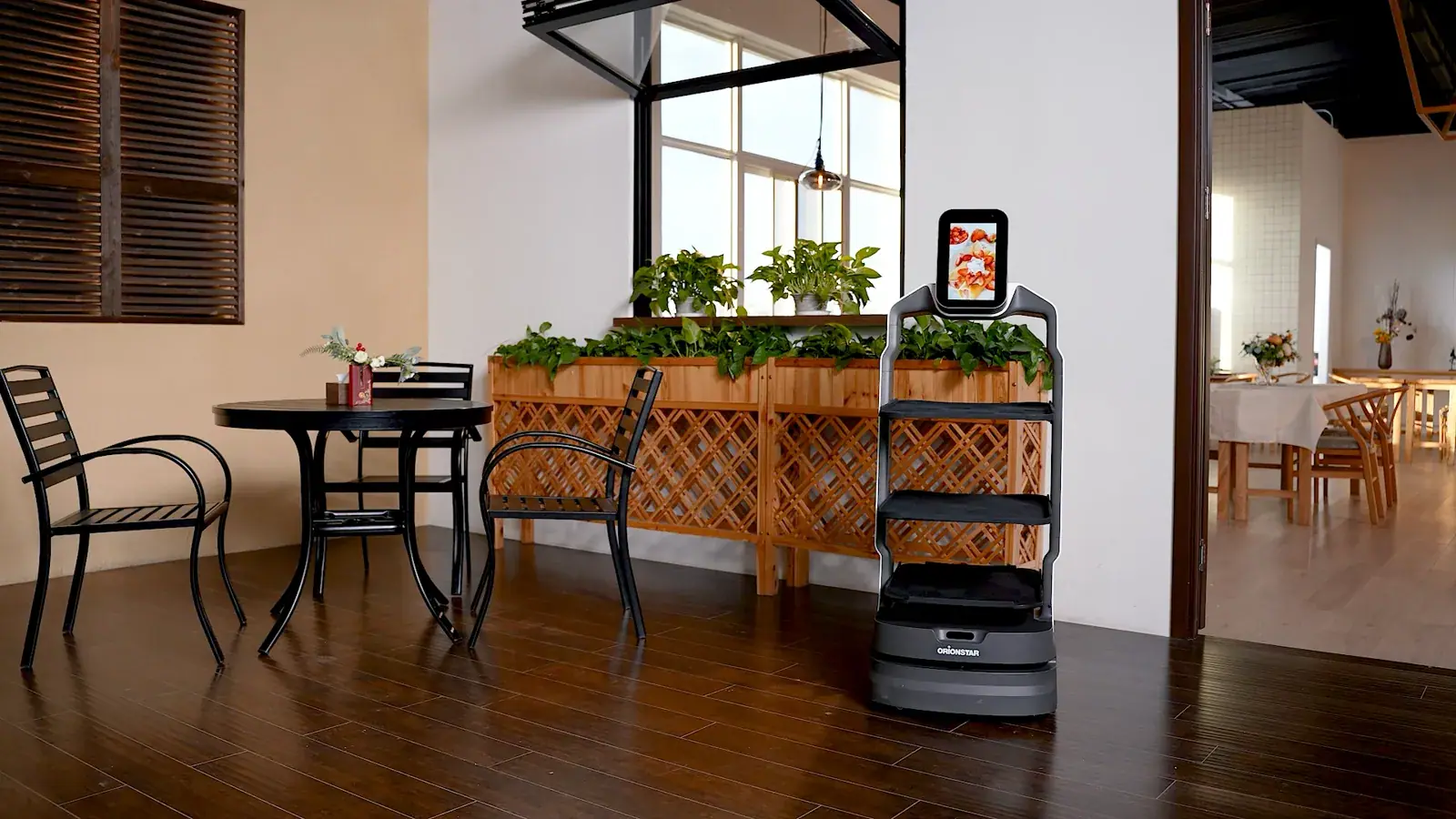
Introducing a service robot into a restaurant is not a complex process, but it does require some preparation. The technology itself is ready to work almost immediately. The real impact depends on how well your kitchen and team adapt to a slightly different workflow. A well-prepared setup ensures that the robot becomes a natural part of daily operations from day one.
Staff Roles: Small Changes, Clear Structure
A robot integration does not require new positions. Instead, it slightly shifts responsibilities within the team.
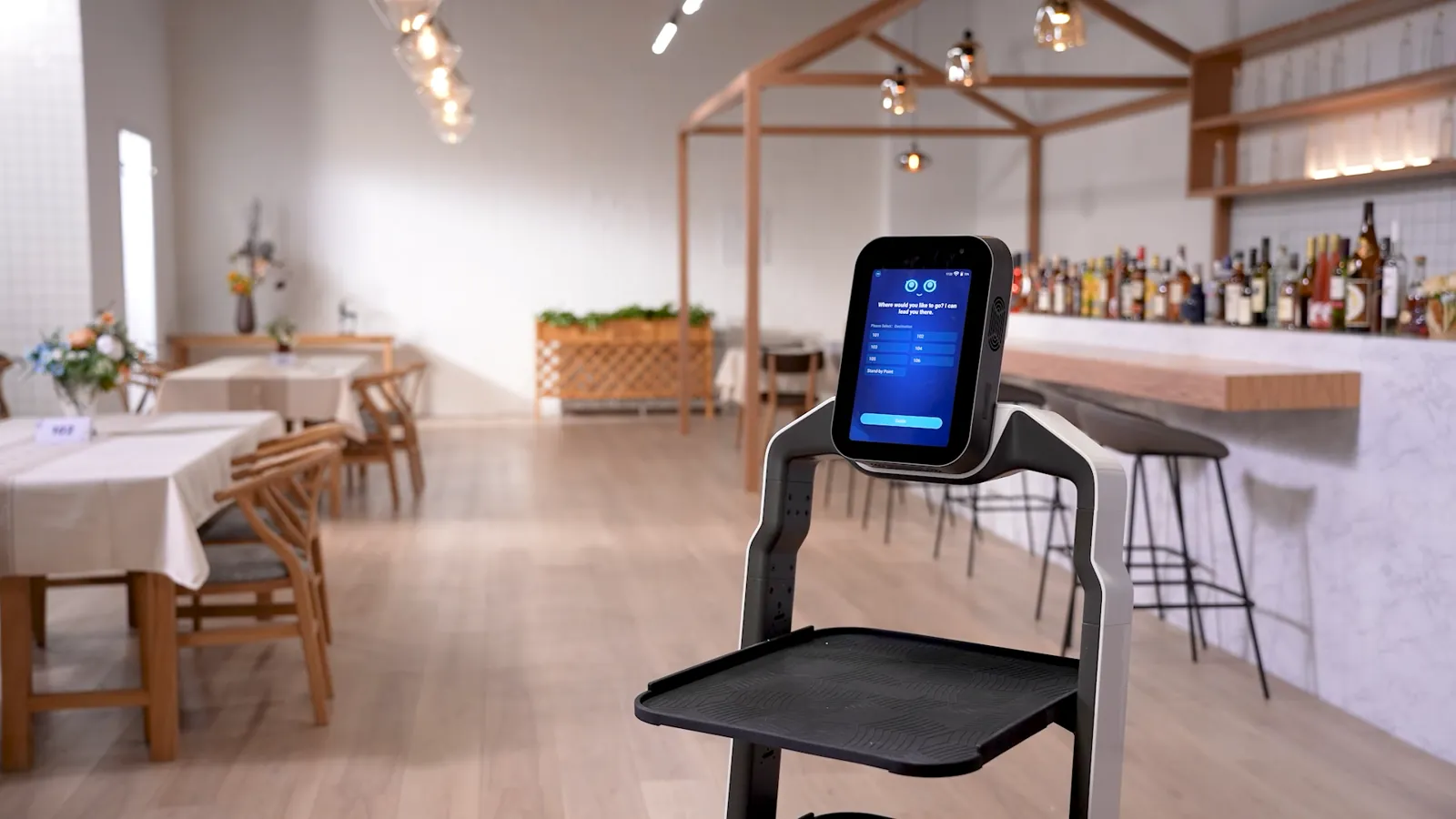
In most cases, kitchen staff are responsible for loading orders onto the robot. Waiters coordinate deliveries and serve guests when the robot arrives. One person per shift should also be comfortable managing basic robot functions, such as selecting destinations or pausing operation if needed.
The key is clarity. Everyone should know when to use the robot and how it fits into the service flow. When roles are clearly defined, the robot supports the team instead of creating confusion.
Kitchen Labeling and Organization
For smooth operation, the kitchen pass needs to be structured in a way that works with the robot. Orders should be grouped logically before loading. If the robot is delivering to multiple tables, dishes should be arranged by stop sequence. This avoids unnecessary handling once the robot reaches the dining area.
Clear labeling also helps. Table numbers should be easy to identify, and staff should follow a consistent system when assigning orders to trays.
This step does not require major changes, but it improves speed and reduces mistakes during busy service.
Tray and Staging Practices
A service robot works best when tray usage is consistent. Each tray should be used in a predictable way. For example, one tray per table or per order group. This makes unloading faster and avoids confusion during peak hours.
Staging is equally important. The area where the robot is loaded should be kept clear and organized. This allows kitchen staff to place items quickly and ensures the robot can move without delay.
Small operational habits make a noticeable difference here. The more consistent the process, the smoother the service.
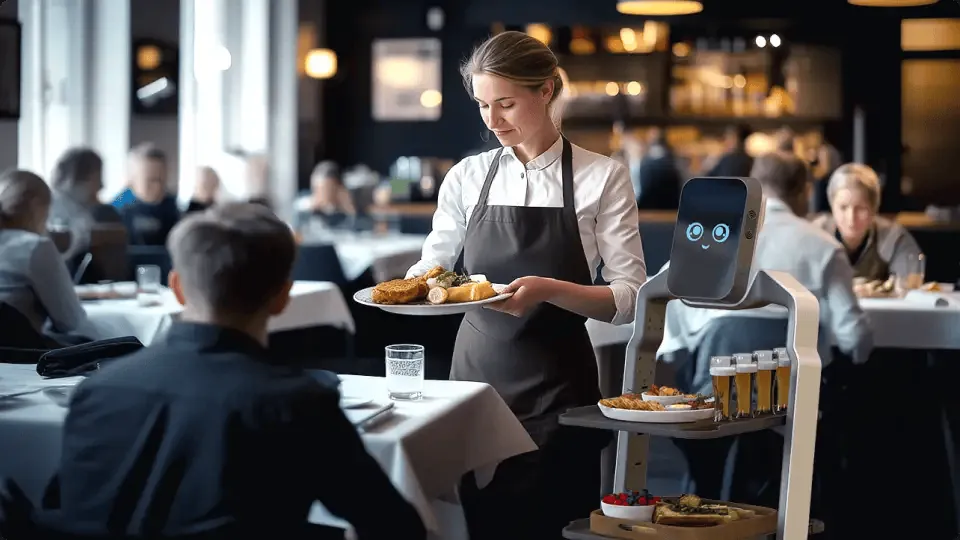
Training the Team
Training is usually simple and does not take long. Most teams become comfortable with the robot within the first shift.
A basic training plan should cover:
- how to send the robot to a destination
- how to load and unload trays safely
- how to pause or stop the robot if needed
After this initial introduction, it is useful to run one or two supervised services. This allows staff to see how the robot behaves in real conditions and adjust naturally. Confidence builds quickly once the team sees how predictable the system is.

Common Pitfalls and How to Fix Them
Most early issues are not technical. They are operational. One common mistake is overloading the robot or placing items in an unstable way. This can be avoided with simple guidelines on tray use.
Another issue is unclear communication. If staff are not sure when to use the robot, they may ignore it or use it inefficiently. This is solved by defining clear moments in the workflow where the robot should be used.
Finally, poorly planned routes can create congestion. Adjusting paths and avoiding high-traffic areas usually resolves this quickly. These are small adjustments, but they determine how effective the robot becomes.
30-Day Rollout Checklist
A structured rollout helps the team adapt without pressure.
- Week 1: Mapping the venue and basic staff training. Test simple delivery routes.
- Week 2: Use the robot during quieter service periods. Focus on kitchen coordination and tray setup.
- Week 3: Introduce the robot during peak hours. Observe flow and adjust routes if needed.
- Week 4: Optimize usage. Define standard procedures and integrate the robot fully into daily operations.
By the end of the first month, the robot should feel like a normal part of the team.
How to Prepare for Robot Integration?
A successful robot integration is not about technology. It is about workflow.
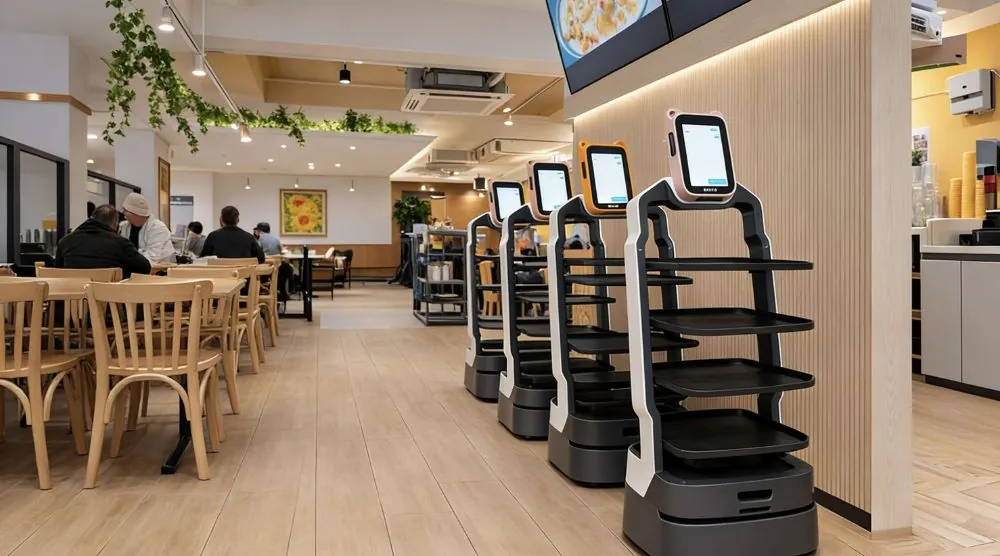
With clear roles, simple kitchen organization, and short training, a service robot quickly becomes a reliable support tool. It reduces unnecessary movement, improves consistency, and allows staff to focus on guests.
Contact Reef Robotics to schedule a training session and ensure a smooth robot integration in your restaurant.
