
Introducing a service robot into your restaurant or hotel is a practical step toward improving operations. But to understand whether it actually delivers value, you need to measure it. This is where KPIs – key performance indicators – become essential.
A well-implemented robot integration should not be judged by impressions or novelty. It should be evaluated based on clear, measurable outcomes that reflect real operational improvements.
Why KPIs Matter in Robot Integration
A robot integration changes how work is distributed across your team. Tasks are not eliminated – they are shifted.
Without measurement, it is difficult to see where the real gains are. With the right KPIs, you can track:
- how efficiently the robot is used
- where time is being saved
- how staff performance is affected
Over time, this allows you to optimize both the robot’s role and your overall workflow.
Delivery Time
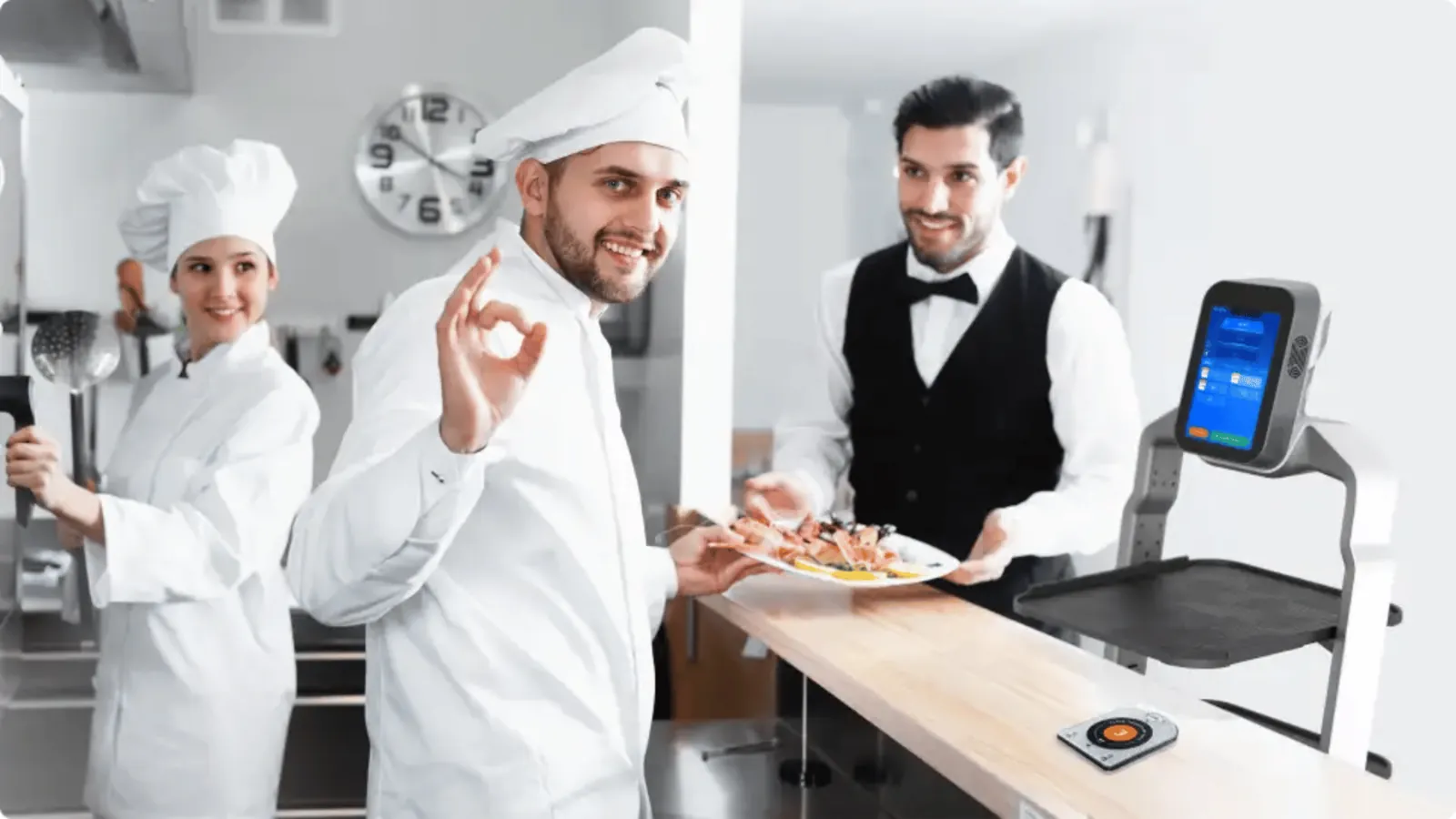
One of the most direct KPIs is delivery time. This measures how long it takes for an item to move from the kitchen (or origin point) to the guest.
Before introducing a service robot, this time often varies depending on staff availability and workload. During peak hours, delays are common.
After integration, delivery time becomes more consistent. The robot follows predefined routes and operates continuously. Tracking this KPI helps you understand whether the robot is reducing delays and improving service flow.
Trips per Shift
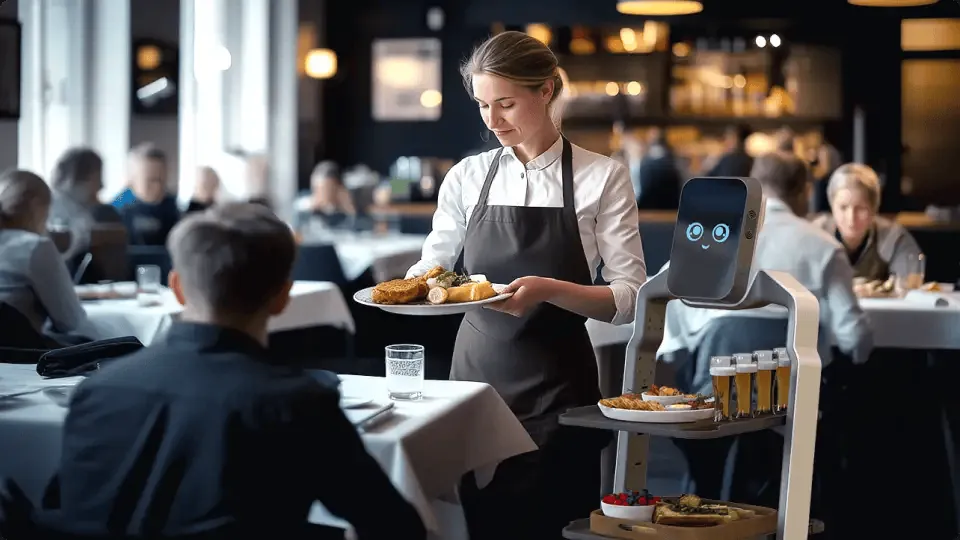
Another important metric is how many trips the robot completes during a shift. Each trip represents a task that would otherwise require staff movement.
A higher number of trips typically indicates better utilization. However, it is not just about volume. It’s about whether the robot is being used at the right moments -especially during peak service.
By monitoring trips per shift, you can identify:
- underuse of the robot
- opportunities to increase efficiency
- peak periods where the robot delivers the most value
Staff Walking Distance
This is one of the most overlooked but impactful KPIs. In a typical restaurant, staff spend a large portion of their time walking between kitchen and tables. This movement does not directly add value to the guest experience.
A service robot reduces this workload by taking over repetitive transport tasks.
While it may be difficult to measure exact distances without advanced tools, even simple observation can provide insight. Staff will naturally spend more time in guest areas and less time in transit.
Over time, this leads to:
- reduced physical strain
- more energy during service
- improved focus on customer interaction
Table Turnover
It measures how quickly a table is served, cleared, and made ready for the next guests. A robot integration can improve this by reducing delays between service steps. Faster delivery and quicker clearing contribute to shorter table cycles.
Even small improvements – 5 to 10 minutes per table – can significantly increase the number of guests served during peak hours. Tracking table turnover before and after implementation gives a clear view of the financial impact.
Uptime and Reliability
Uptime measures how consistently the robot is available and operational. A professional service robot should deliver high uptime, with minimal interruptions. This includes:
- stable navigation
- reliable task execution
- minimal downtime for charging or maintenance
Monitoring uptime helps ensure that the robot remains a dependable part of your operation. If uptime drops, it may indicate issues with setup, mapping, or workflow integration.
How to Collect Data
You don’t need complex systems to start measuring KPIs. In most cases, simple methods are enough:
- track delivery times during selected service periods
- monitor how often the robot is used per shift
- compare staff movement and workload before and after integration
- observe table turnover during peak hours
Over time, this data builds a clear picture of performance. For more advanced setups, some robots and management platforms provide built-in analytics. These can automate data collection and offer deeper insights.
Setting Realistic Targets
KPIs are only useful if they are tied to realistic goals. A good starting point might include:
- reducing delivery time by 15–25%
- increasing table turnover during peak hours
- ensuring consistent robot use in every shift
- maintaining near-continuous uptime during service
Targets should reflect your specific venue, layout, and service style. It’s better to start with achievable improvements and refine them over time than to aim for unrealistic results.