
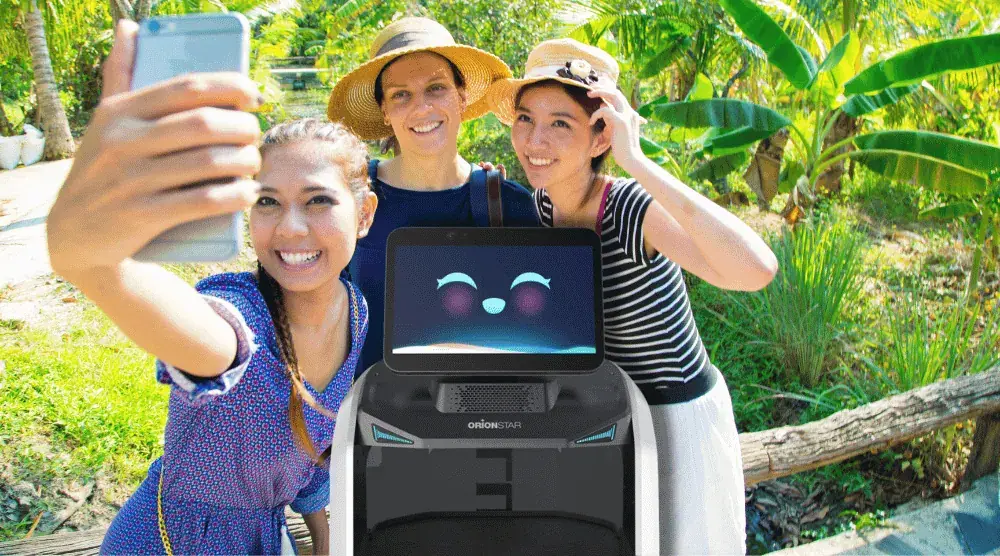
Buying or renting a restaurant robot is one question. Choosing the right number of robots is another. In most venues, one robot can already make a visible difference, but the ideal setup depends on layout, traffic, service style, and how intensively the robot will be used.
Fleet sizing is not about buying as many robots as possible. It is about matching robot capacity to real operational pressure. A good fleet sizing robot assessment starts with a simple question: where does your team lose the most time?
Start with the Size of the Venue
The first factor is physical distance. A small restaurant with one compact dining area may need only one restaurant robot. If the kitchen is close to the tables and staff movement is limited, one unit can support food delivery, plate returns, and peak-hour flow.
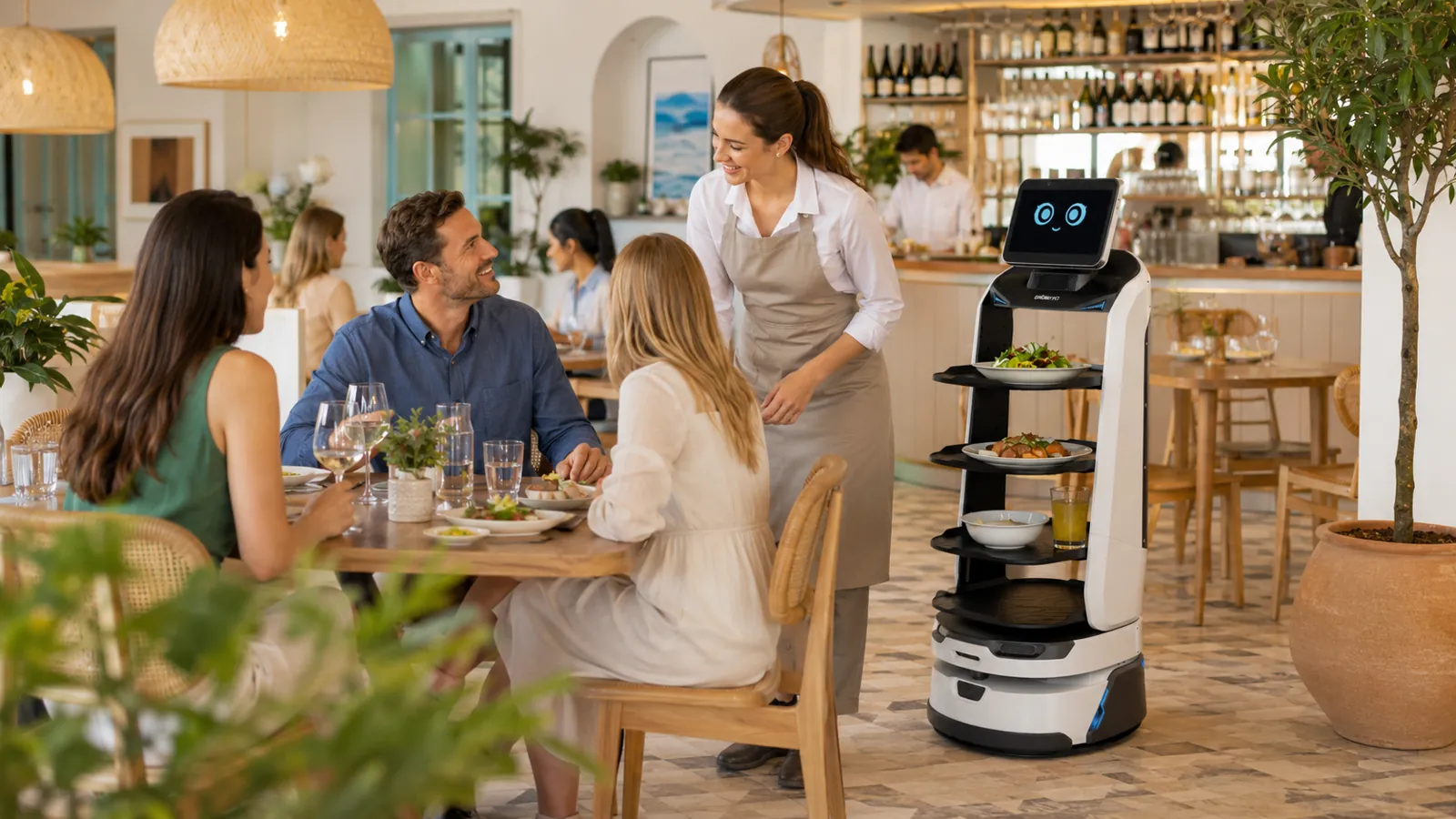
In larger venues, the calculation changes. A hotel restaurant, terrace venue, or multi-zone restaurant may have longer routes and more service points. If one robot is constantly busy and still cannot keep up with the kitchen, adding a second robot may be justified.
As a simple guide, one robot often works well for small and medium venues. Larger restaurants, hotel dining areas, and event spaces may need two or more, especially during peak periods.
Table Count and Service Volume
Table count matters, but it should not be analyzed alone. A 40-seat restaurant with fast turnover may need more robotic support than a 70-seat venue with slower service. What matters is how many delivery and return trips happen per hour.
For a small restaurant with 30–50 seats, one restaurant robot is usually enough to reduce staff walking and support busy moments. For a medium venue with 60–100 seats, one robot may still work, but the layout becomes important. If tables are spread across indoor and outdoor zones, two robots can create a smoother service flow.
For large venues with 120+ seats, multiple dining zones, or banquet service, a small fleet may be more effective than one heavily used robot.
Service Model and Operating Hours
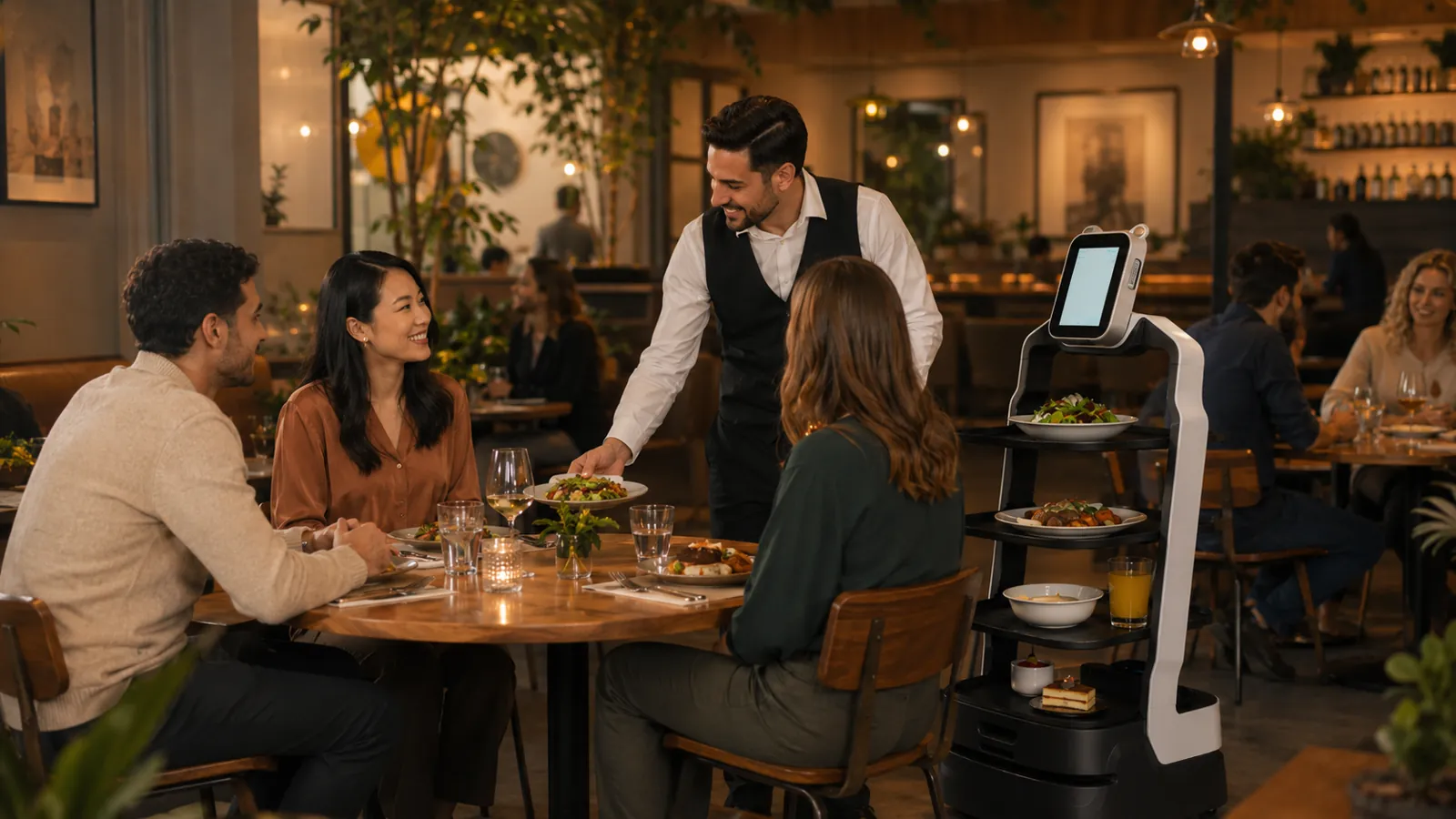
A robot used only during lunch and dinner service has different requirements than one supporting a hotel all day. Restaurants may need robotic support mainly during peak hours. Hotels may use robots for breakfast, room service, lobby support, events, and guest amenities.
If the robot works across many hours, battery management and charging time become part of the fleet calculation. One robot can work very effectively, but if there is no downtime between service periods, a second unit may help maintain continuity.
Simple Sizing Examples
A small 40-seat restaurant in Limassol with one dining room and short routes may start with one restaurant robot. It can carry food from the kitchen, return plates, and help staff during the busiest service windows.
A medium 80-seat venue with a terrace may also start with one robot, but should test whether it can cover both zones efficiently. If the terrace is busy and far from the kitchen, two robots may be better.
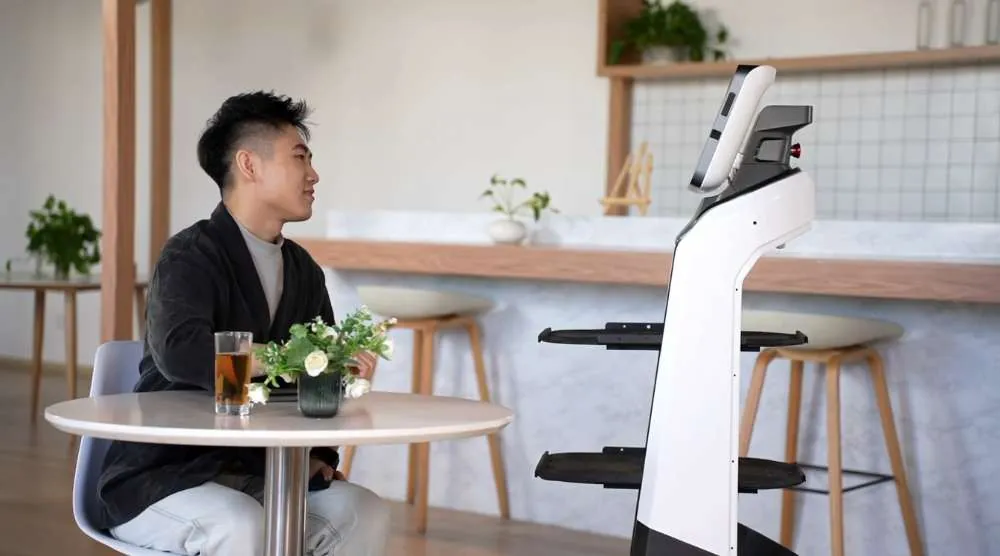
A hotel restaurant or event venue may need two or more units depending on service intensity. One robot can support the restaurant floor, while another handles lobby, banquet, or back-of-house tasks.
Test Before Scaling
The best answer often comes from a live assessment. Start with one robot, measure trips per shift, staff walking time, delivery speed, and peak-hour pressure. If the robot is fully utilized and still leaves gaps, scaling becomes logical.
You can also see how robots work in real Cyprus environments here: Doers Summit, AI Cyprus Expo, and GDCy Fest 2026.
Contact Reef Robotics to request a site estimate and check how many robots your venue really needs.
