
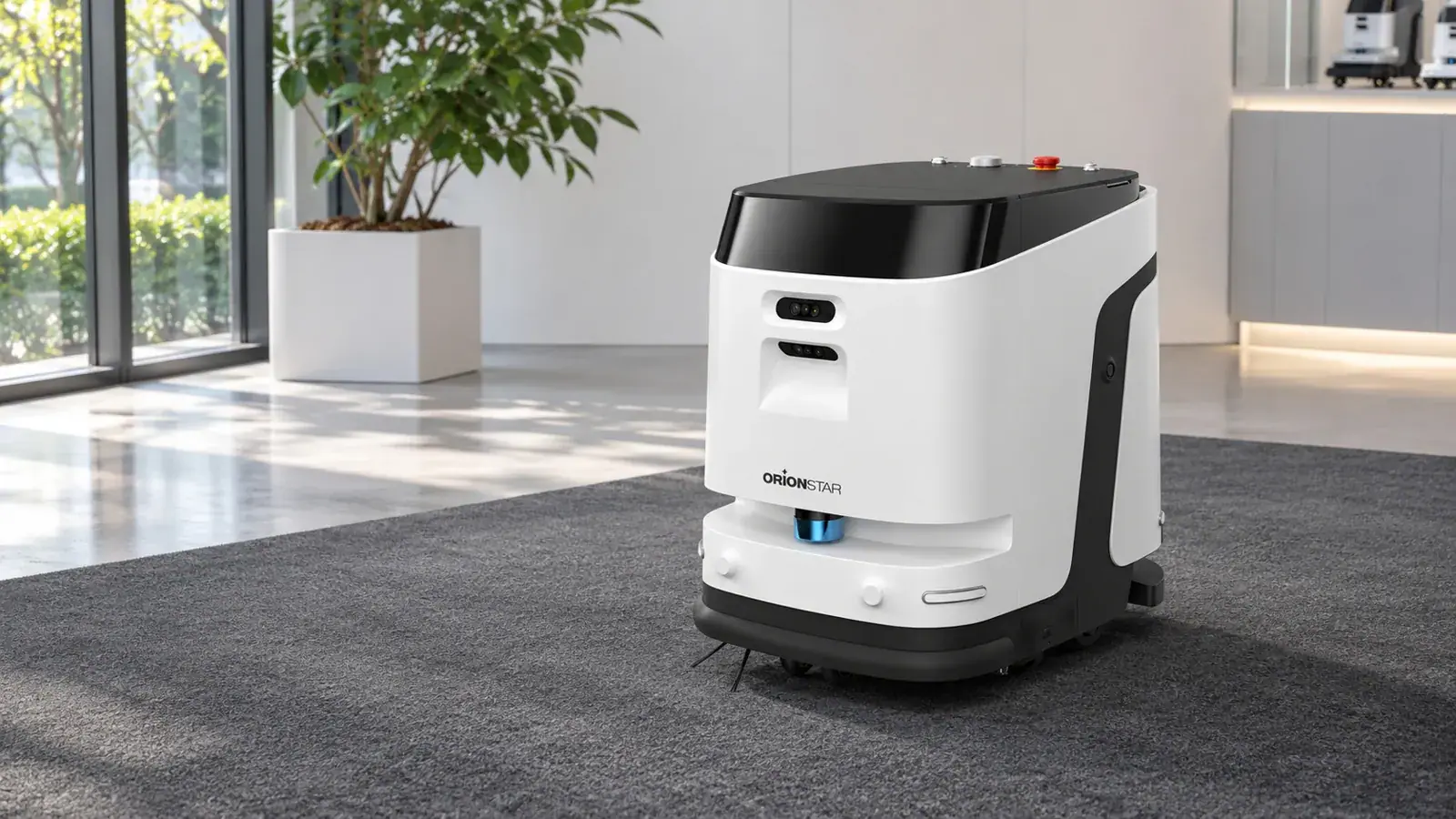
If a robot can vacuum your home, could the same idea work in a hotel or office? It is a sensible question, particularly for a business owner already familiar with an iRobot Roomba.
The answer depends on the workload. Commercial vs domestic cleaning robots is not a comparison between intelligent machines and basic ones. Modern domestic models can have sophisticated navigation and extensive dock automation. The more useful distinction concerns the amount and type of cleaning required, the building layout and how the equipment will be managed every day.
Commercial vs domestic cleaning robots: what changes?
| Question | Domestic robot assessment | Commercial robot assessment |
|---|---|---|
| What is the workload? | Household floors and routines | A defined business cleaning programme |
| What material is collected? | Typical household dust and debris | Site-specific dirt and volumes that must be checked |
| What capacity is useful? | Capacity suited to the home and dock | Bins or tanks matched to commercial routes |
| How is it deployed? | Setup around the household layout | Route survey, commissioning and team training |
| How is success judged? | Convenience and a satisfactory home result | Cleaning standard, completed area and operator time |
These are buying considerations, not rules that every model fits equally. Individual machines should be compared on verified specifications and a representative task.
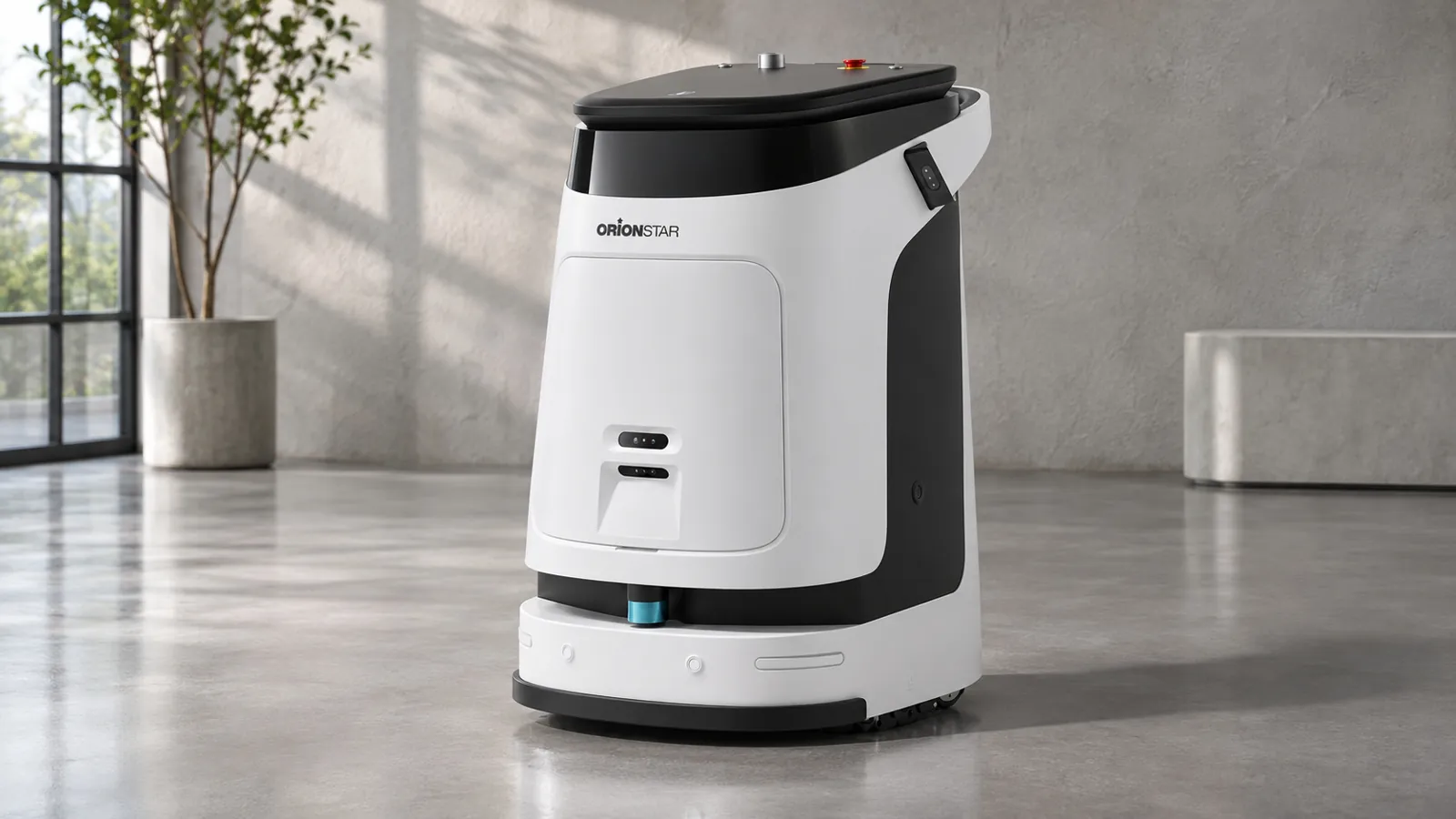
Domestic robots have developed considerably
It would be misleading to describe every home robot as a small vacuum that bumps around randomly. Features vary by model, and current products can offer advanced mapping, scheduled tasks and combined vacuuming and mopping.
iRobot’s Roomba Combo range includes selected models with AutoWash docks that empty collected debris and wash and dry the mop. Automatic dock servicing is therefore not exclusive to commercial equipment.
For a small, lightly used room, a domestic model may deserve consideration if the intended use, support terms and practical cleaning result are suitable. The decision should follow the job, rather than an assumption that the word “commercial” automatically makes every alternative better.
Commercial capacity becomes useful as the workload grows
A busy corridor or a broad hard-floor route can create demands quite different from a household room. Collection volume, water capacity, cleaning width and the amount of floor accessible during one working window become important.
The CleaniBot K1, for instance, has a 10-litre dust bin and is designed for commercial vacuuming. The CleaniBot M1 has separate 35-litre clean-water and 33-litre wastewater tanks, with a dedicated station available for automatic water handling.
Those examples illustrate different kinds of capacity. Neither a large water tank nor a high suction-pressure figure proves that a robot is right for every floor. The cleaning method and actual result still come first.
A wet scrubber is more than a vacuum with a mop
Commercial scrubbers are designed around mechanical floor agitation and dirty-water recovery. That makes them relevant to suitable hard floors needing a regular scrubbing process.
Domestic vacuum-and-mop combinations vary considerably in how they apply and maintain the mop. Their capabilities should be checked model by model. The important question is whether the chosen system removes the dirt present on the business’s floor to the required standard.
A carpeted office and a tiled public concourse may therefore need very different robots, even if the overall area is similar. Comparing both against a single familiar home model can obscure the real requirement.
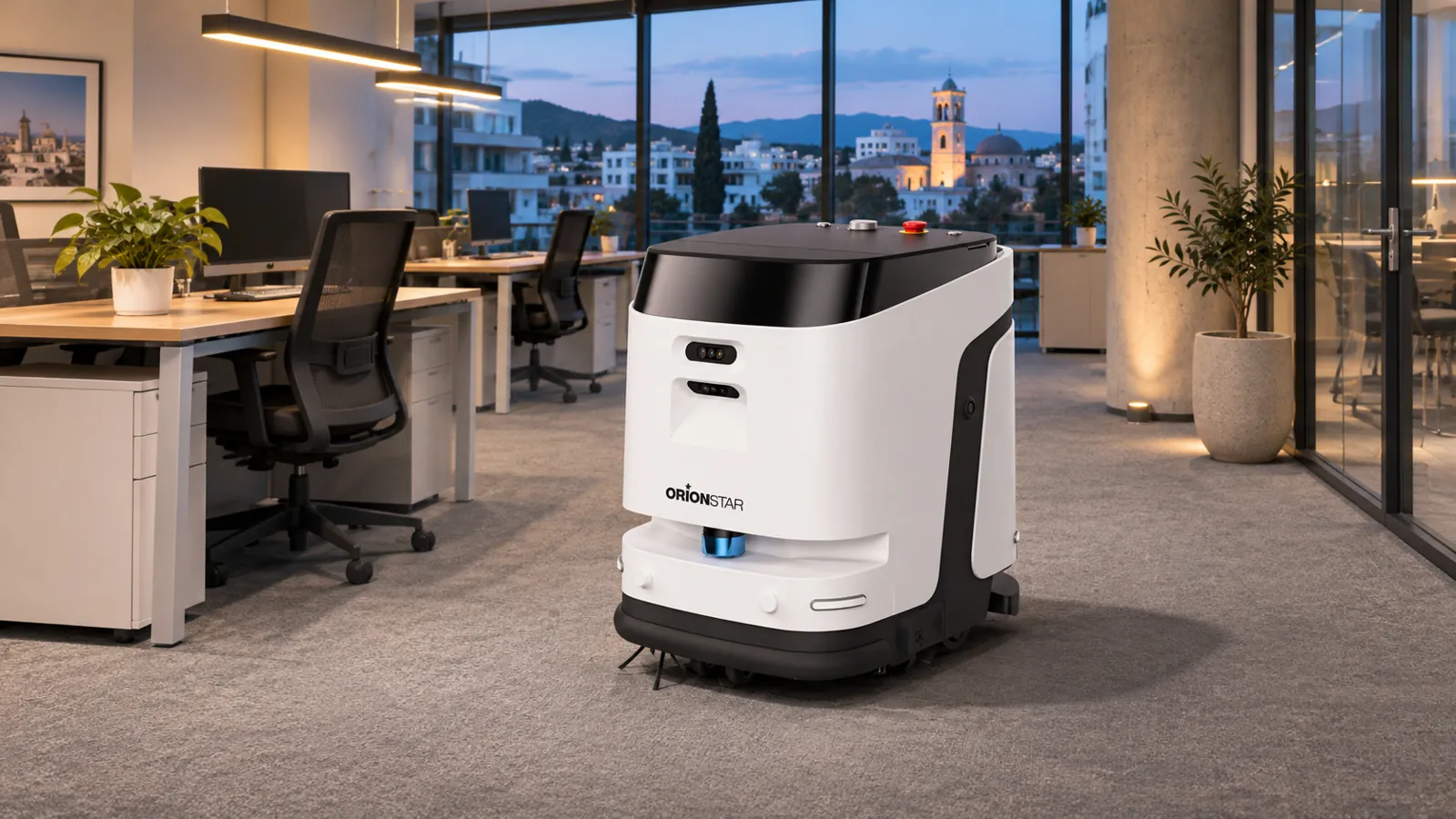
Installation and responsibility matter in a business
In a workplace, several people may operate the equipment. Someone needs to own the schedule, respond to alerts, maintain the machine and check the finish. Routes may also have to accommodate guests, deliveries or changing furniture arrangements.
Commercial deployment should address those details before the first routine run. A suitable dock location, clear operating instructions and staff training can make a significant difference to daily reliability.
Ask suppliers to demonstrate a representative area and record the remaining manual work. That provides a fairer commercial vs domestic cleaning robots comparison than judging either category by price or appearance alone.
Reef Robotics can help assess the building and explain the options in our commercial cleaning robot range, including delivery, mapping, training and technical support after purchase.
Still unsure about a cleaning robot you have seen elsewhere? Contact Reef Robotics. We can help you compare its intended role with your requirements and identify a suitable option for the work.
