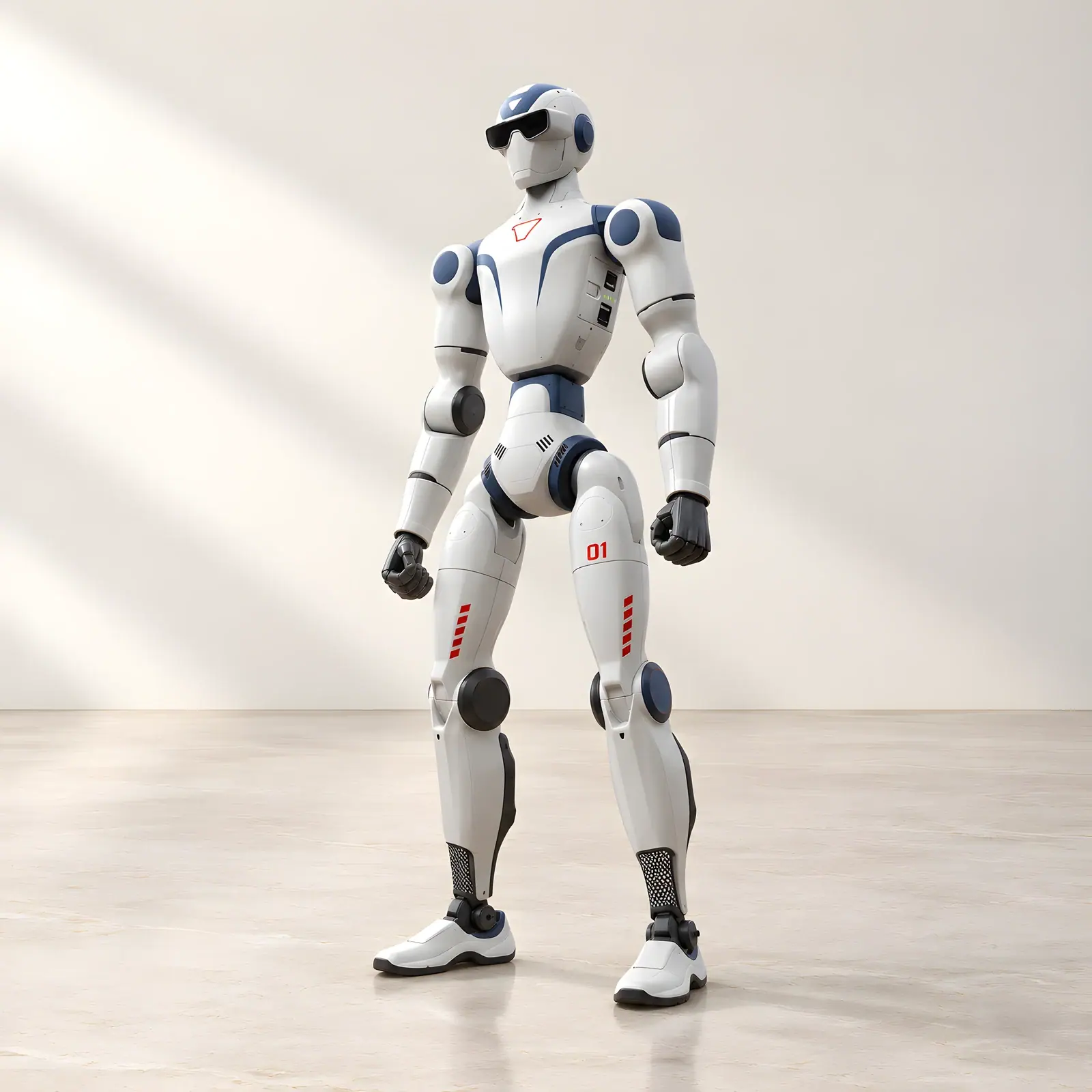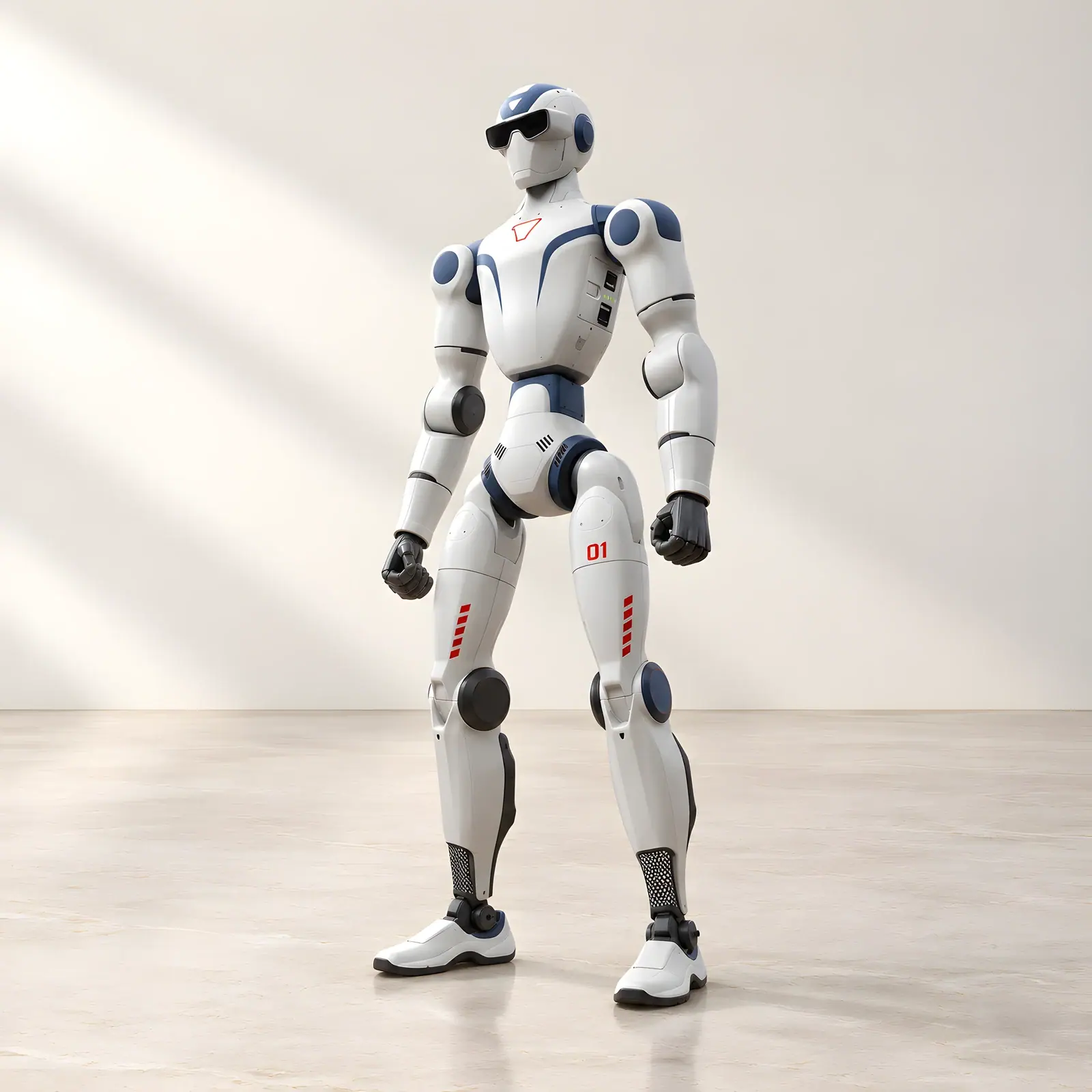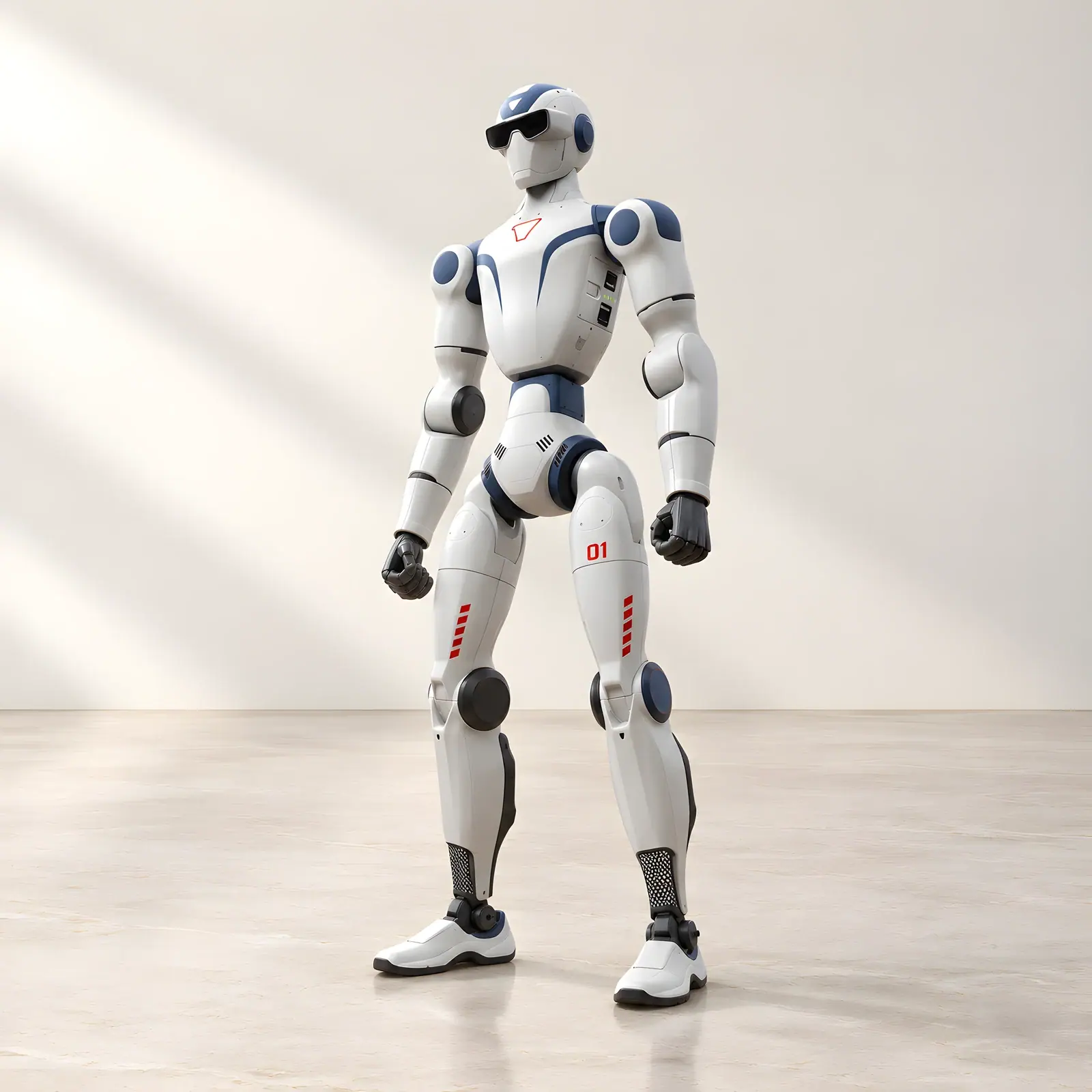
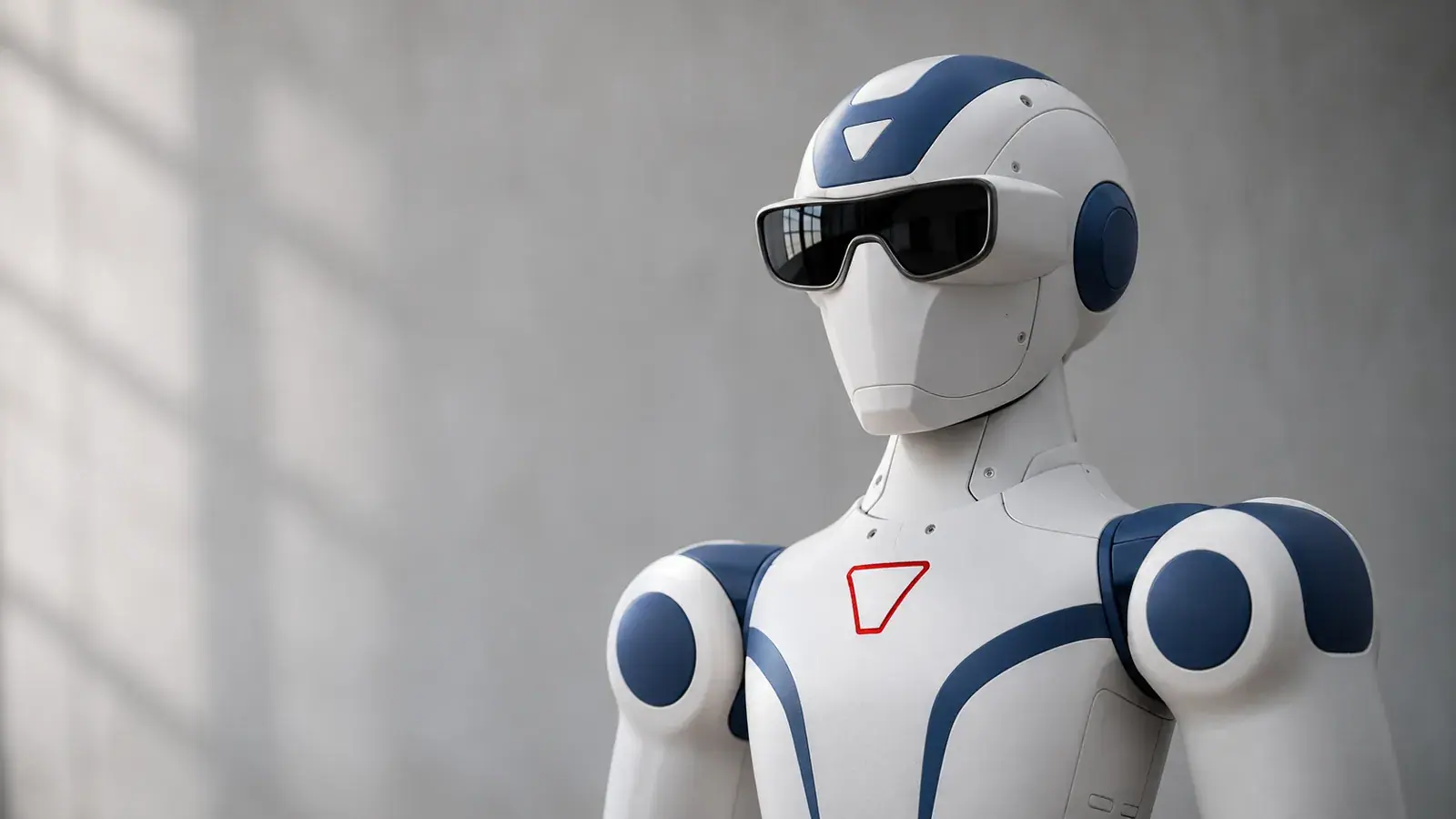
We recognise a humanoid before we understand it. A head above a torso, two arms and two legs suggest something familiar, even when the body is made of motors, metal and electronics.
A humanoid is a robot whose physical form resembles aspects of the human body. That description tells you about its shape. It does not tell you how intelligent it is, whether it can speak, or whether it can work independently. Those capabilities depend on the particular machine and its software.
The Unitree R1 family offers a useful way to understand the difference between appearance, movement and practical ability.
Motors turn instructions into movement
Where a person uses muscles, a robot uses actuators: devices that produce controlled movement. In a humanoid, electric motors move joints in the legs, arms and other parts of the body.
Specifications often describe this using degrees of freedom, shortened to DoF. One degree of freedom represents one independent movement. A joint assembly that can move in more than one direction contributes more than one.
More degrees of freedom can give a robot greater flexibility, but the number is only part of the story. The software must coordinate those movements, and the chosen behaviour must remain within the machine's physical limits. A flexible body alone does not tell the robot what useful task to perform.
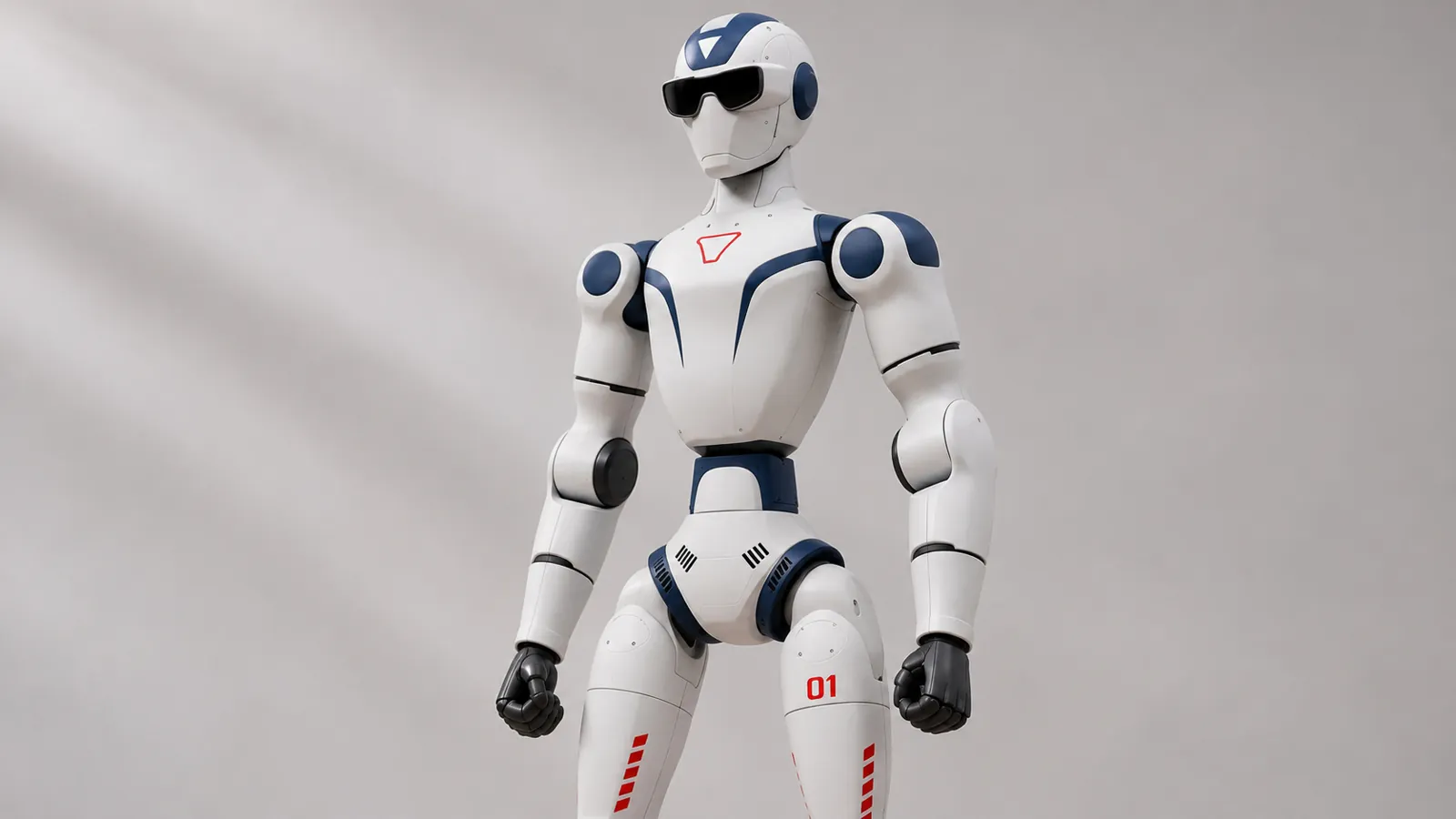
Sensors provide feedback
For controlled movement, a robot needs information about its own state and its surroundings. Joint feedback helps a control system compare the requested movement with what is actually happening. Cameras provide visual information, while microphones and speakers can support interaction.
The software repeatedly uses available feedback to adjust what the motors do. This is why an operator can request movement without individually controlling every joint. The machine handles the detailed coordination beneath that instruction.
Walking on two legs makes this especially important. The body must manage changes in support as it steps, rather than simply turning wheels on the floor.
Control, intelligence and autonomy are different things
A remotely controlled robot can still perform complex automatic balancing. A robot with voice-processing software may still need a person to direct its movement. A camera does not, by itself, provide autonomous navigation.
Think of three separate questions: who chooses the destination, what coordinates the movement, and what software interprets the surroundings? Different robots answer those questions differently.
The same distinction applies to artificial intelligence. A multimodal model can work with more than one kind of input, such as sound and images. Its presence does not guarantee that the complete robot can carry out any instruction a person gives it.
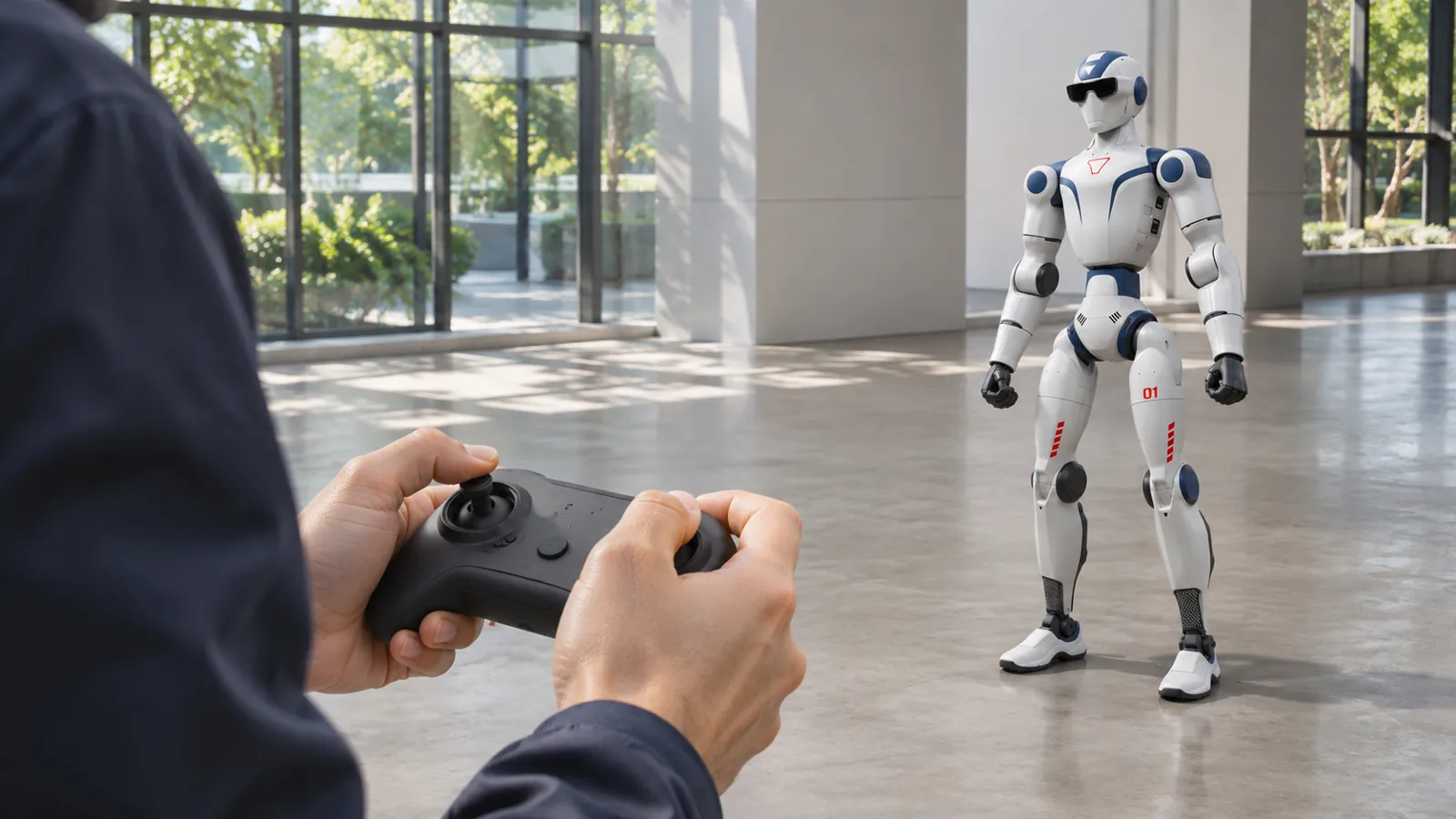
Three R1 models, three starting points
The Unitree R1 Air is the introductory model. It has 20 degrees of freedom and remotely controlled movement, without autonomous navigation. Its appeal is the opportunity to demonstrate a humanoid in an approachable, operator-led format.
The Unitree R1 Basic has 26 degrees of freedom, adding movement in the head and waist and more articulation in each arm. It also has binocular vision, and Reef Robotics lists multimodal speech and image processing among its features. The exact interaction functions should be demonstrated for the intended use.
The Unitree R1 EDU is the development version. It supports secondary development and offers configuration-dependent options including dexterous hands and extra computing hardware. It gives a technical team tools to create applications; the application still has to be designed and tested.
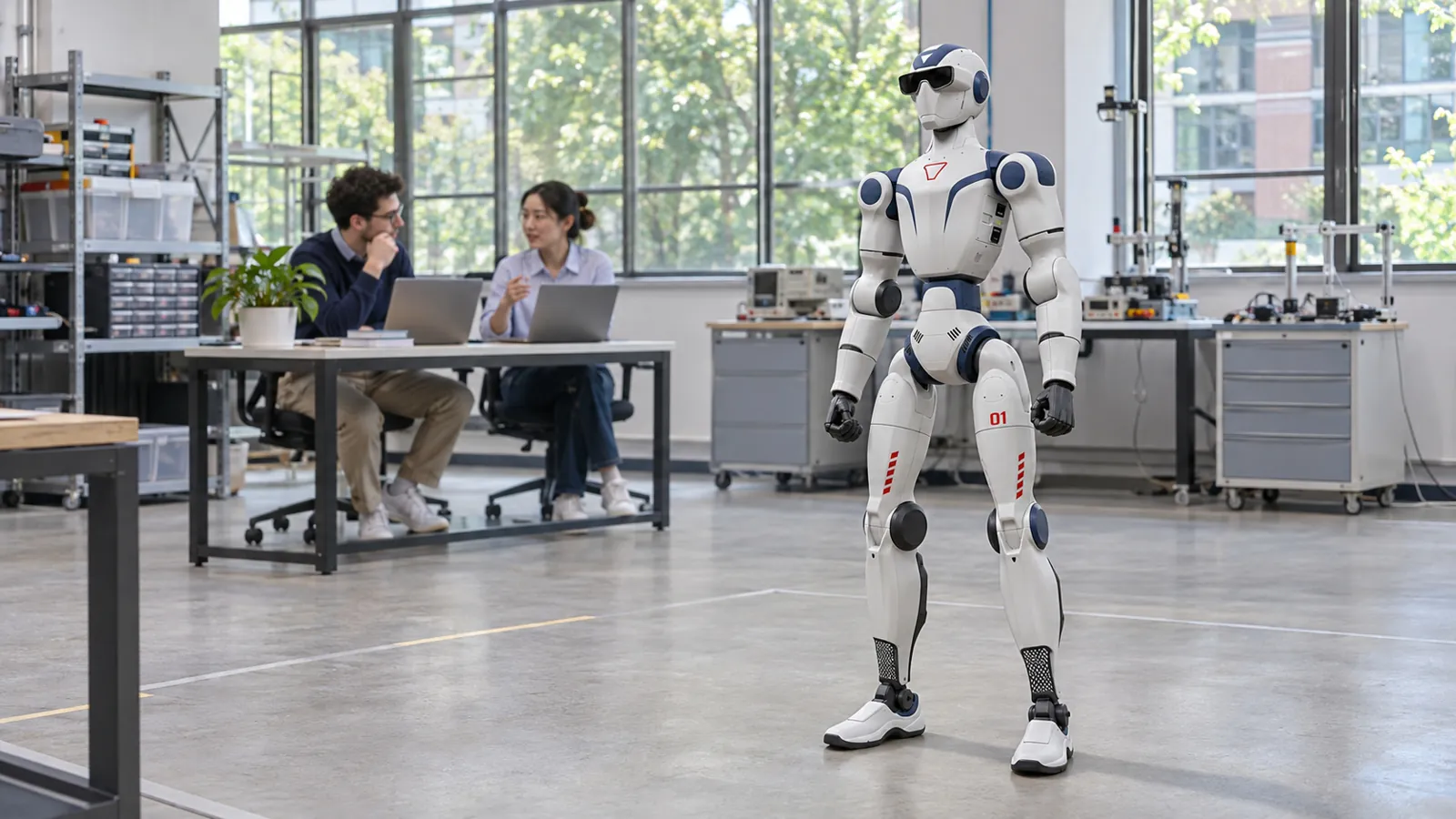
Why build a robot with a human-like body?
For research, a humanoid offers a platform for investigating movement and interaction in a physical form people readily understand. For demonstrations, its recognisable shape makes technical ideas tangible. For marketing, it can create a memorable encounter.
Human-like appearance is not necessary for every useful robotic task. A hotel that wants a consistent source of visitor information may find a better match in Reef Robotics' reception robots. A screen, an information interface and a suitable guidance function can be more relevant than legs.
Reef Robotics helps businesses and institutions in Cyprus work through these distinctions. Understanding what a humanoid is makes it easier to appreciate the technology—and to choose it for a job it can actually do.