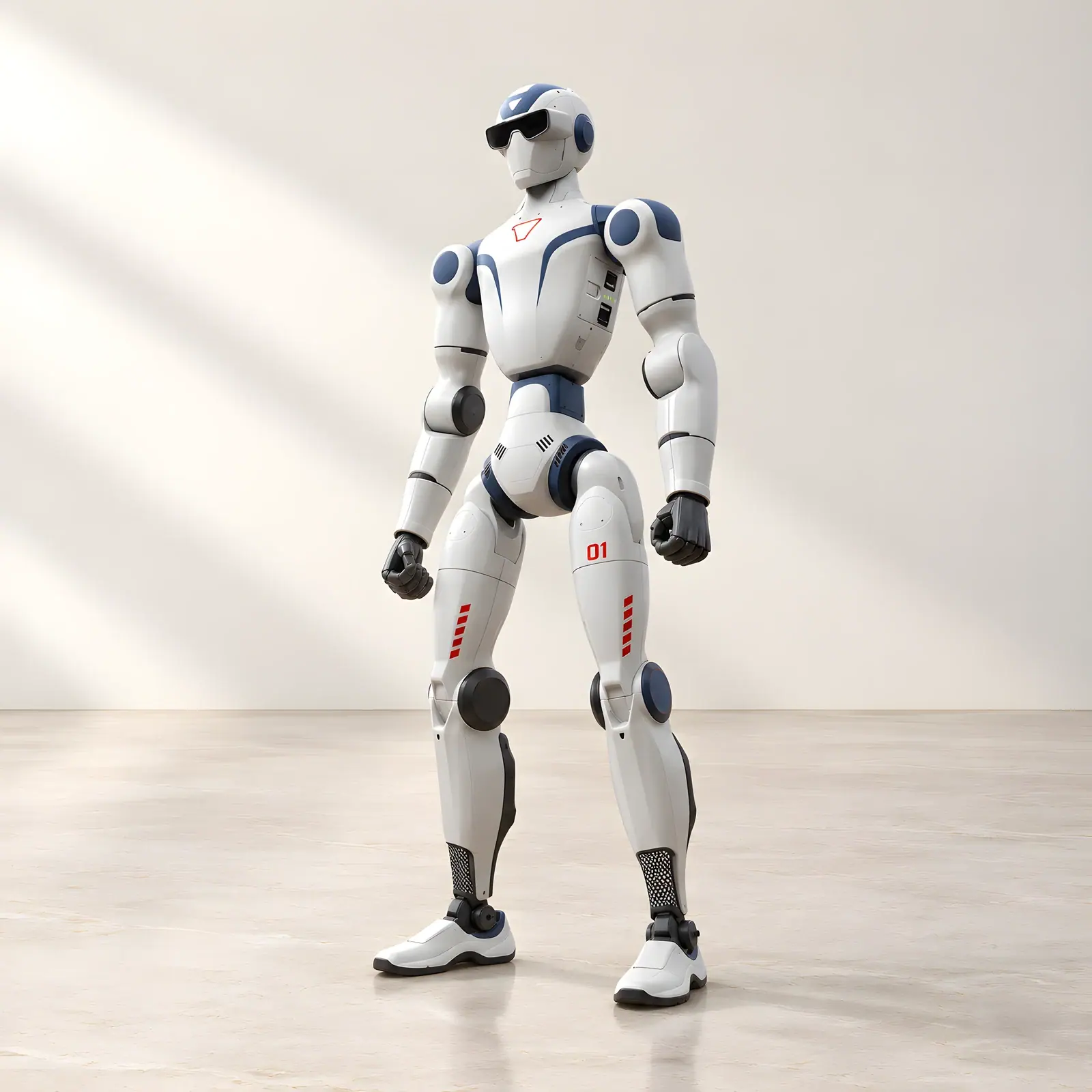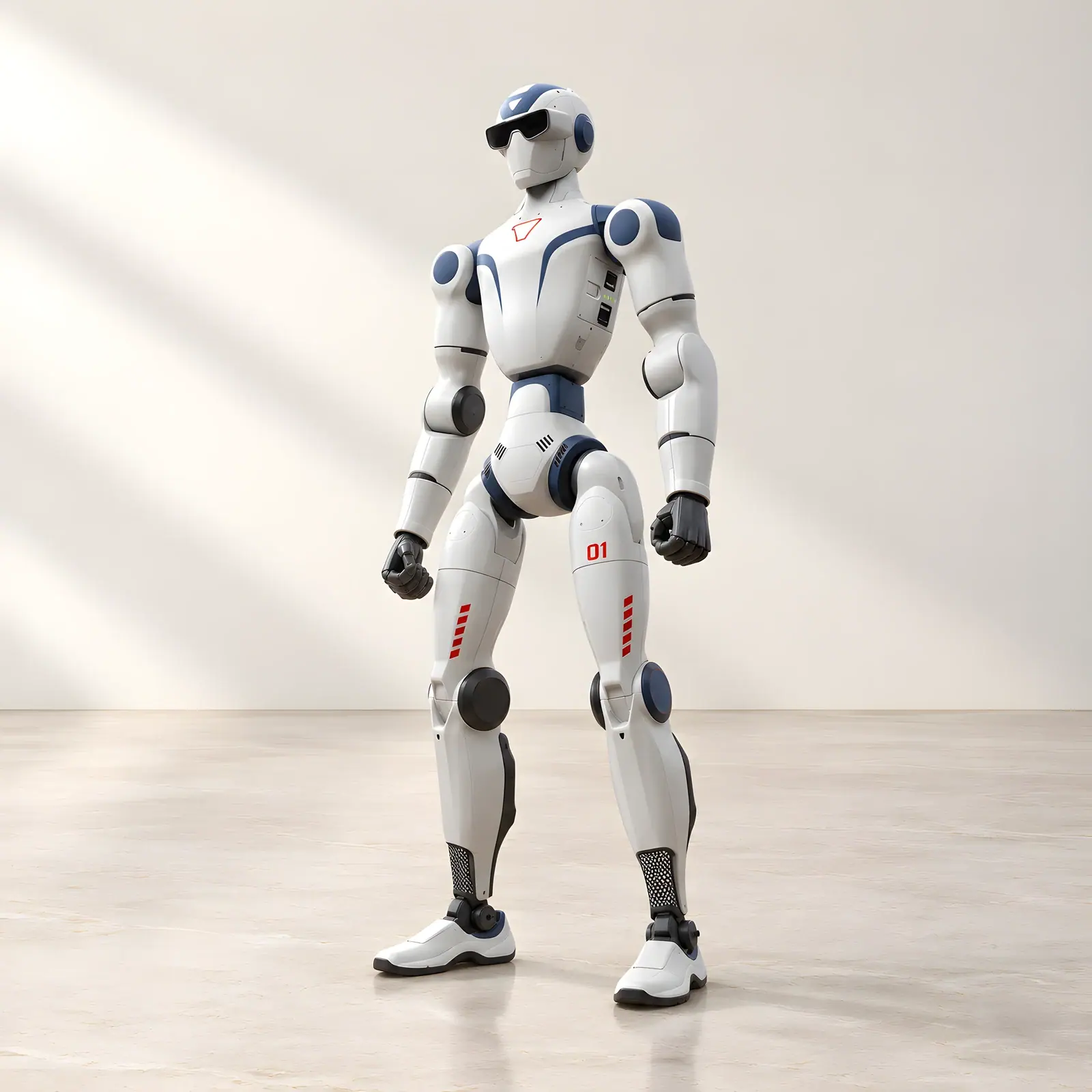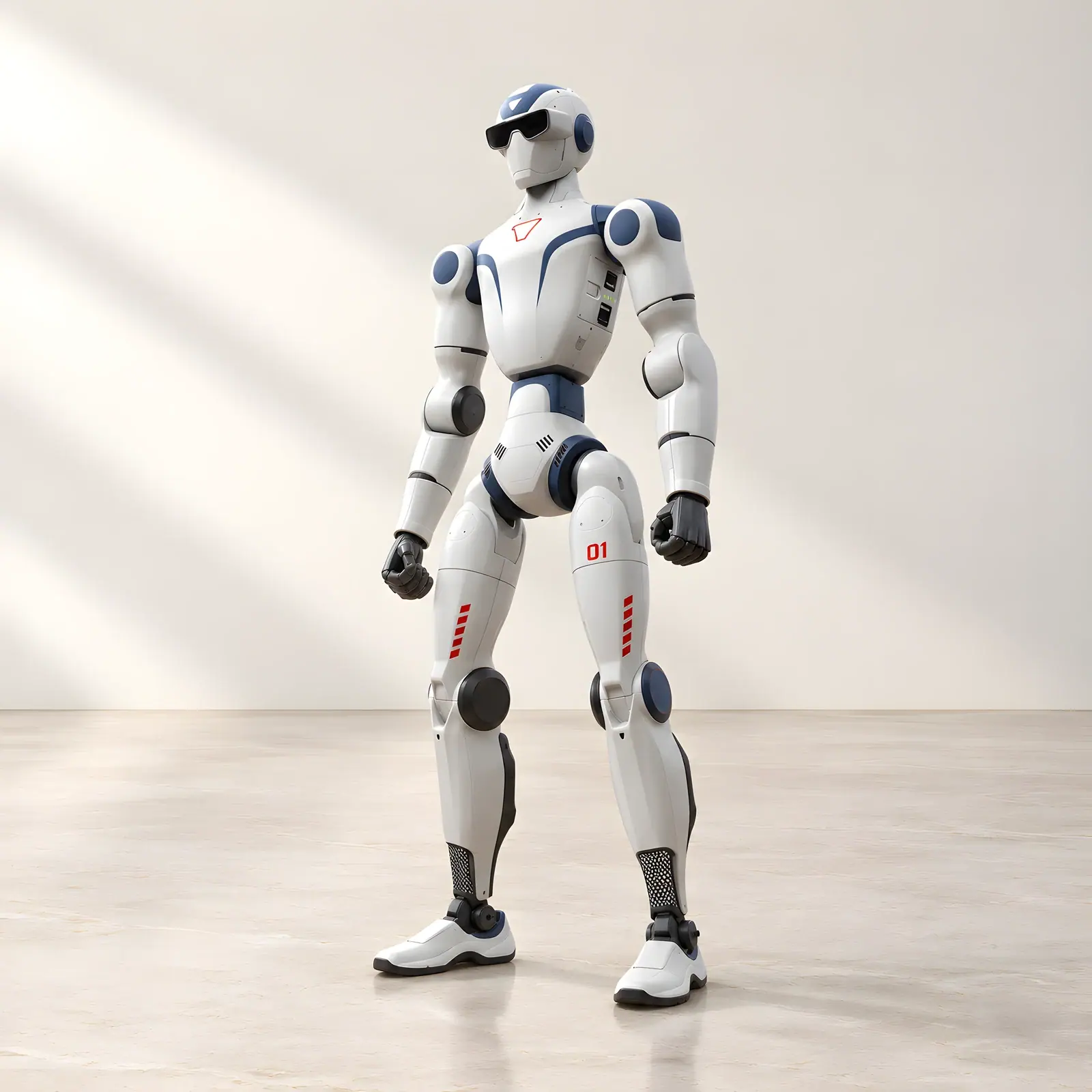
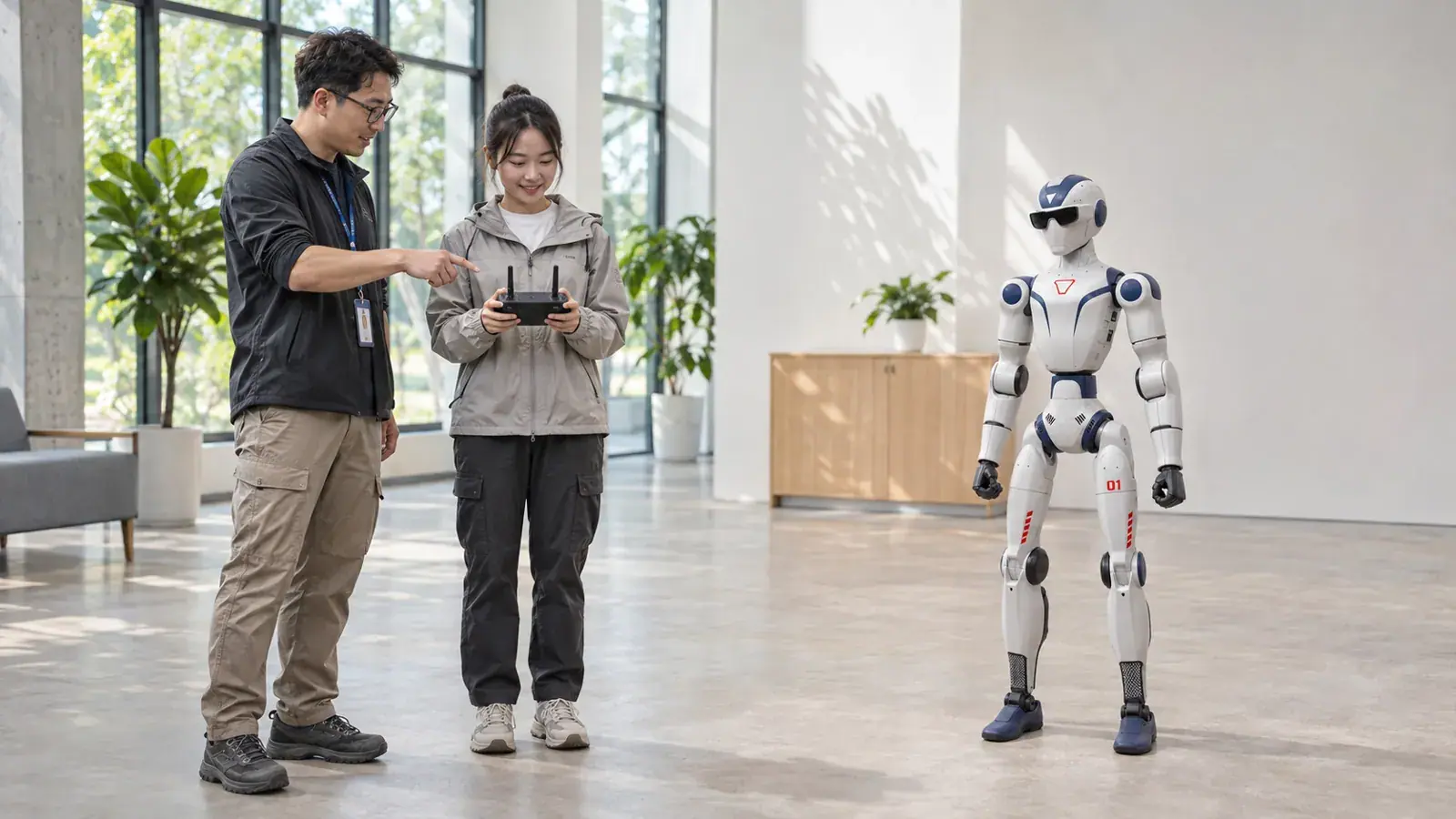
The first time you stand beside a humanoid, it is natural to wonder whether operating it requires an engineering degree. For routine use of supplied functions, the answer is generally no. You do need training, practice and a clear understanding of the procedures.
The more useful question is what you mean by “use”. Directing a robot with a controller, running a prepared demonstration and writing a new application are three different activities. Their learning curves are different too.
First, separate operating from programming
An operator learns how to prepare the robot, use its supported controls, monitor the surroundings and finish the session correctly. A developer works on the software that creates or changes behaviour.
You can be a capable operator without being a developer. Equally, being a skilled programmer does not automatically make someone familiar with the handling and operation of a physical humanoid.
This distinction helps a business decide who should attend training. The people who will actually prepare and run the robot need hands-on time with it, even if someone else made the purchase.
R1 Air offers a direct starting point
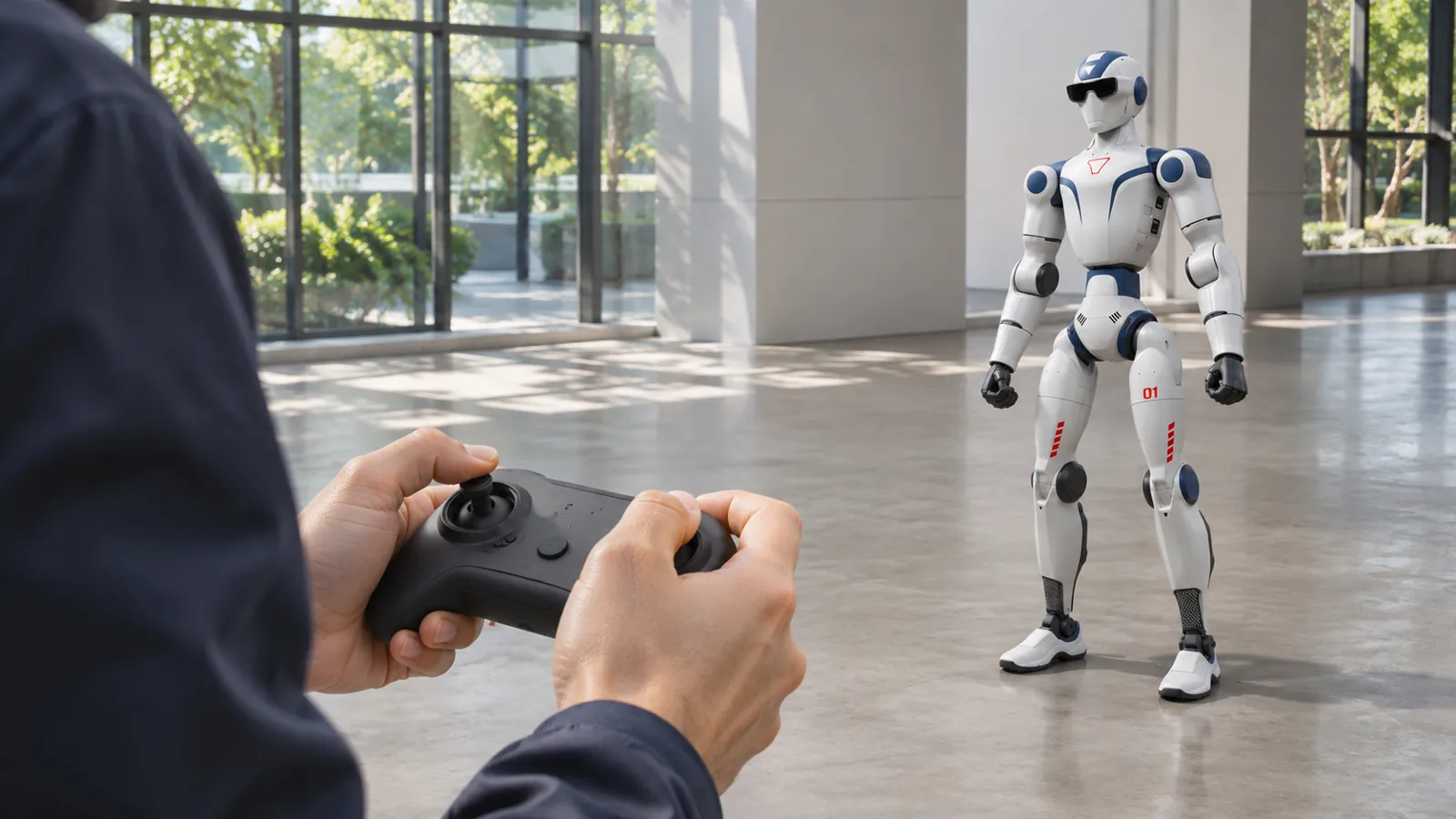
The Unitree R1 Air is moved using a remote controller. It does not autonomously navigate to destinations. For a beginner, that creates a fairly clear relationship between the operator's input and the intended movement.
The robot handles the underlying joint coordination, so the operator is not sending separate commands to every motor. The learning is in understanding the controls, choosing appropriate movements and knowing when to pause or stop.
A quiet practice session is far more useful than learning during a crowded exhibition. Start with the basic procedures and build familiarity gradually. “Approachable” should mean that a non-specialist can learn the task, not that every person can use the robot immediately without instruction.
R1 Basic adds capabilities, not automatic independence
The Unitree R1 Basic has a more articulated body and additional interaction hardware. It also includes a manual controller.
Some people use “moves by itself” to describe a robot carrying out automatic joint coordination or a supplied movement sequence. Others mean independently planning a route through a room. These are different capabilities. For the R1 Basic package, do not assume autonomous venue navigation from the fact that the robot walks and balances.
If your intended experience depends on a particular automatic function, make that part of the demonstration and purchase discussion. This avoids planning an event around an interpretation of the word “autonomous”.
A sensible first training session
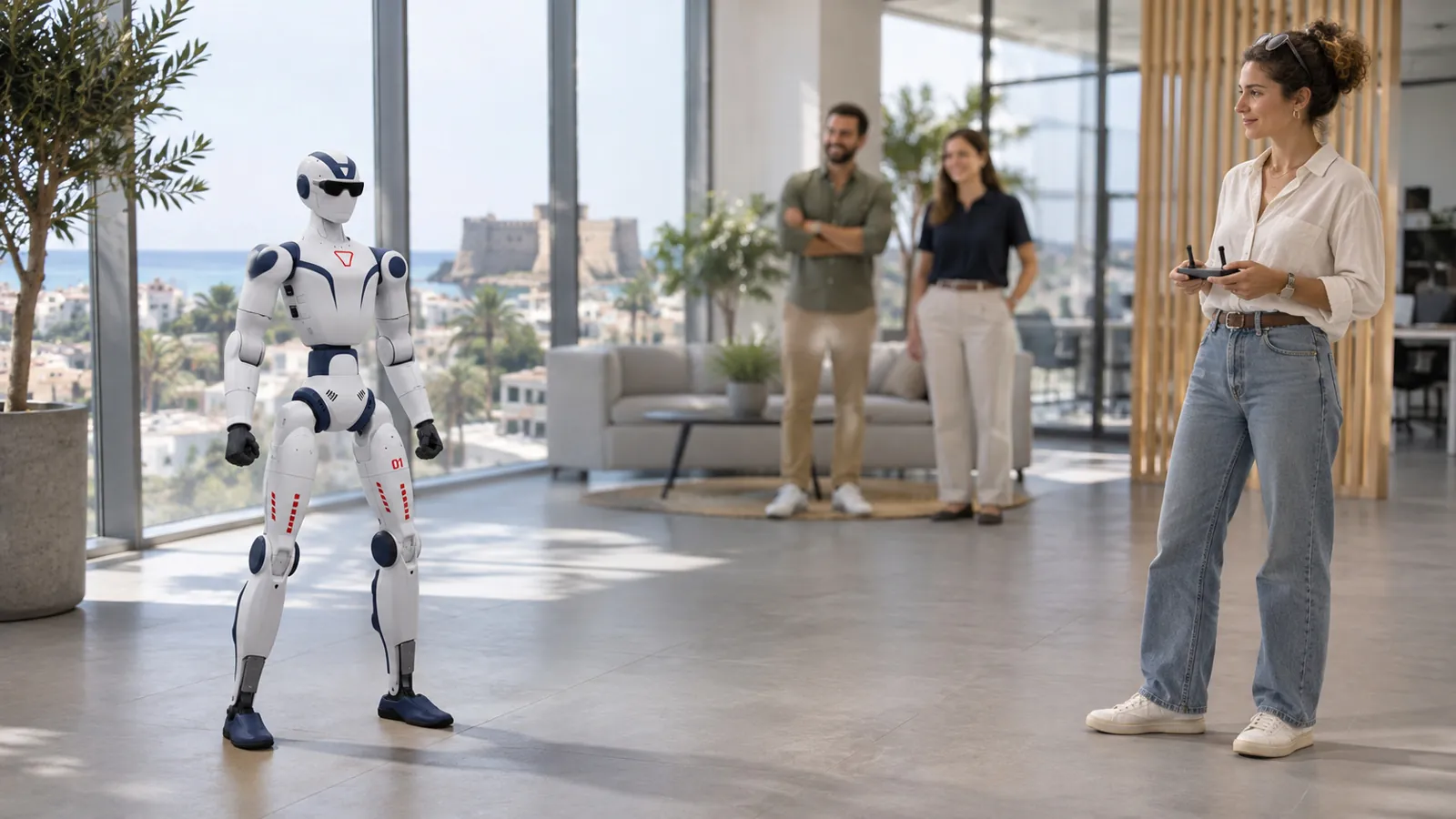
A useful training session follows the real operating cycle. Prepare the equipment and space, complete startup according to the manufacturer's instructions, practise the approved controls, learn the stopping procedure, and then shut down and pack away correctly.
The manufacturer's R1 operating tutorials cover these topics, including remote-control use and packing. Those materials are useful references alongside practical instruction. They should be matched to the supplied hardware and software version.
For a business, it also helps to train a second operator. That reduces dependence on one employee's availability and makes it easier to share the work at longer events.
EDU depends on what you want to build
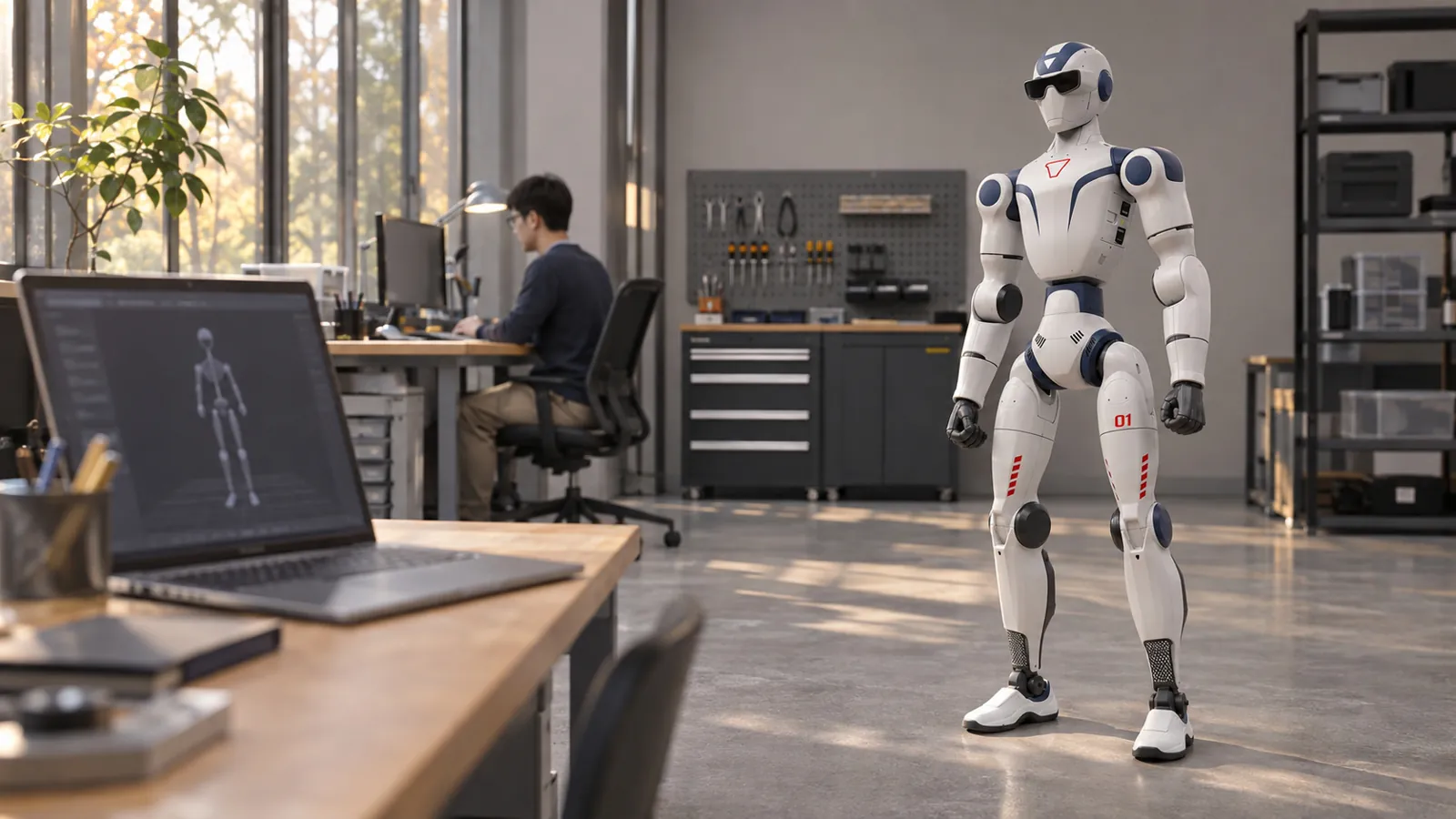
The Unitree R1 EDU offers much broader scope through its development interfaces. A team can explore custom software and supported hardware options, but that freedom brings technical responsibilities.
A small experimental behaviour may be a manageable teaching project. A complex application combining perception, movement and interaction requires more engineering and testing. The possibilities are extensive, rather than literally unlimited: physical limits, available interfaces and the project's resources still apply.
Sometimes the easier solution is a different robot
If your aim is to reduce repeated walking during restaurant service, a humanoid may create more preparation than the task requires. Waiter robots from Reef Robotics are designed around delivery workflows and can be configured for suitable routes, while staff continue loading, serving and looking after guests.
As a local supplier in Cyprus, Reef Robotics can help match both the robot and the training to the people who will use it. With a defined role and a little practice, routine humanoid operation can become a manageable part of an event or demonstration programme.