A hotel floor has to look presentable while the building continues to welcome people. Guests arrive with luggage, breakfast creates another busy period, and housekeeping needs clear access to corridors throughout the day. Finding a suitable cleaning window can be as important as choosing the machine.
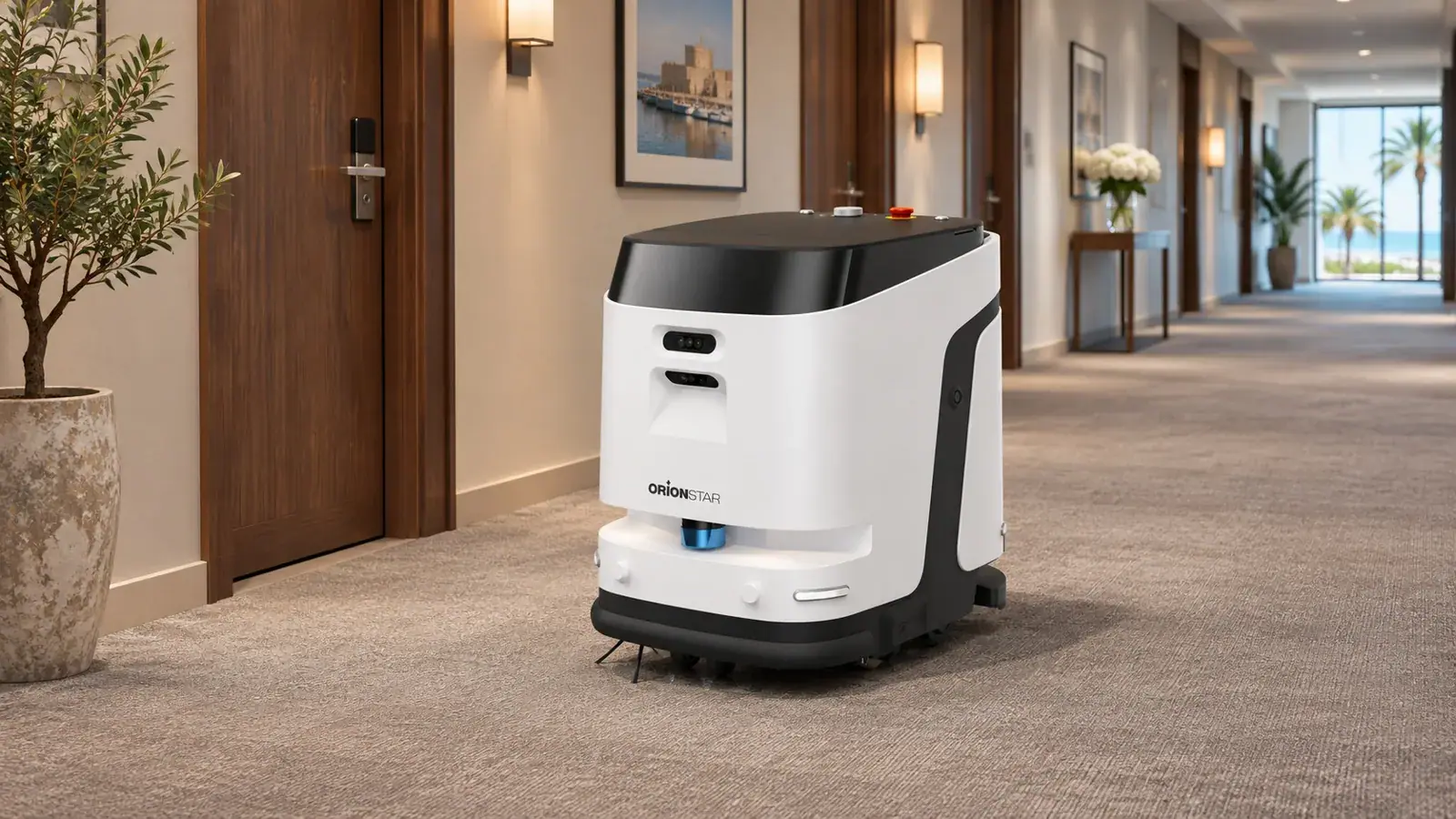
Hotel cleaning robots in Limassol are worth assessing through that operational lens. The following illustrative scenario considers a hotel with a hard-floor lobby, carpeted guest corridors and tiled circulation areas. It is a planning example, not a report of a completed customer installation.
Where hotel cleaning robots in Limassol can help
Begin by dividing the property into tasks. The carpeted corridors need recurring vacuuming. The lobby may require a programme suited to its particular stone or tile finish. Other hard-floor areas may need regular scrubbing, especially where ordinary traffic leaves visible dirt.
Those tasks should then be matched to the guest experience. A machine that completes a route efficiently is useful only if it can do so without creating an avoidable obstruction or running at an unsuitable time near occupied rooms.
In this example, the first phase would focus on one accessible zone with a predictable cleaning window. That gives housekeeping a chance to become comfortable with the machine and provides a clear basis for deciding whether to expand the programme.
Match the robot to the surface
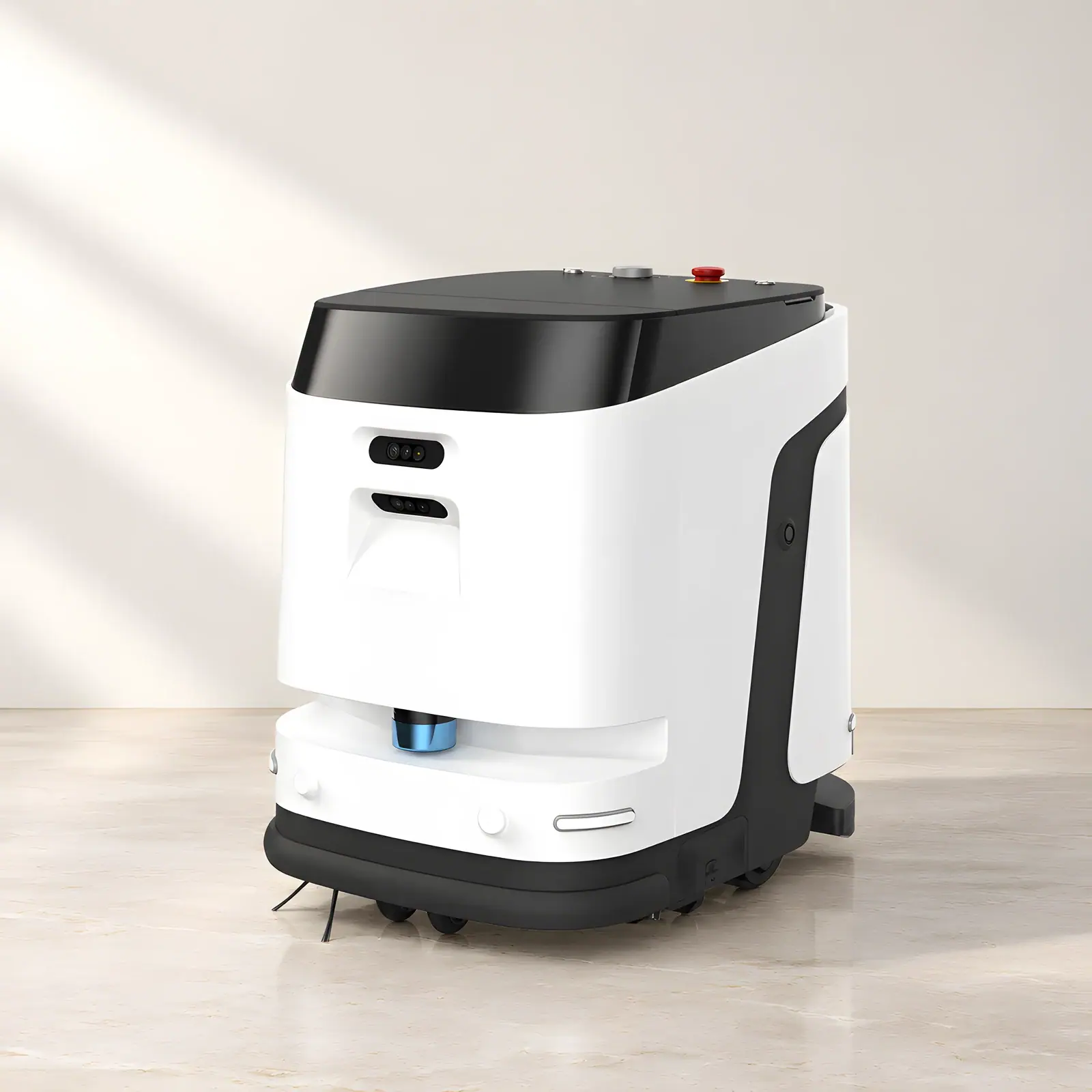
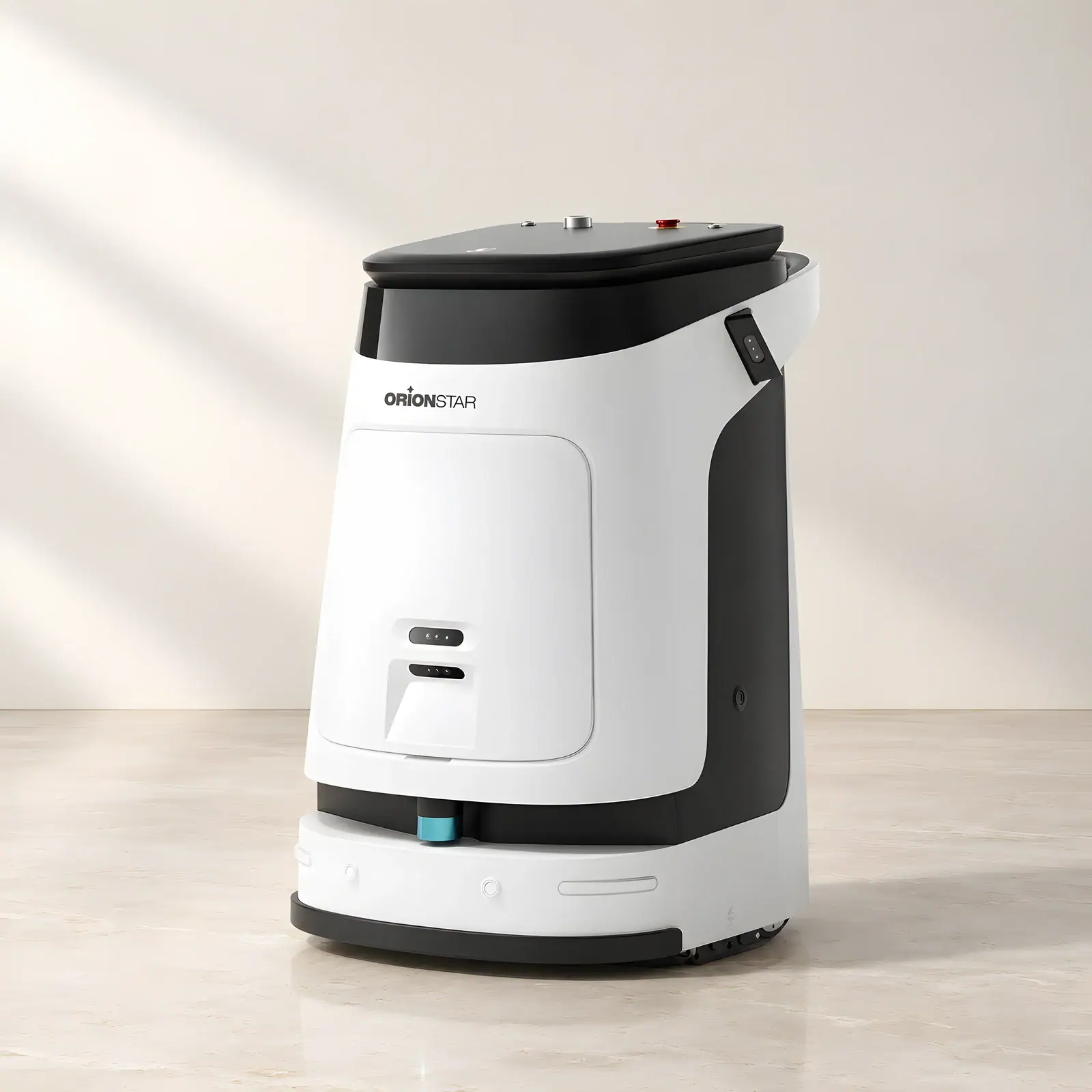
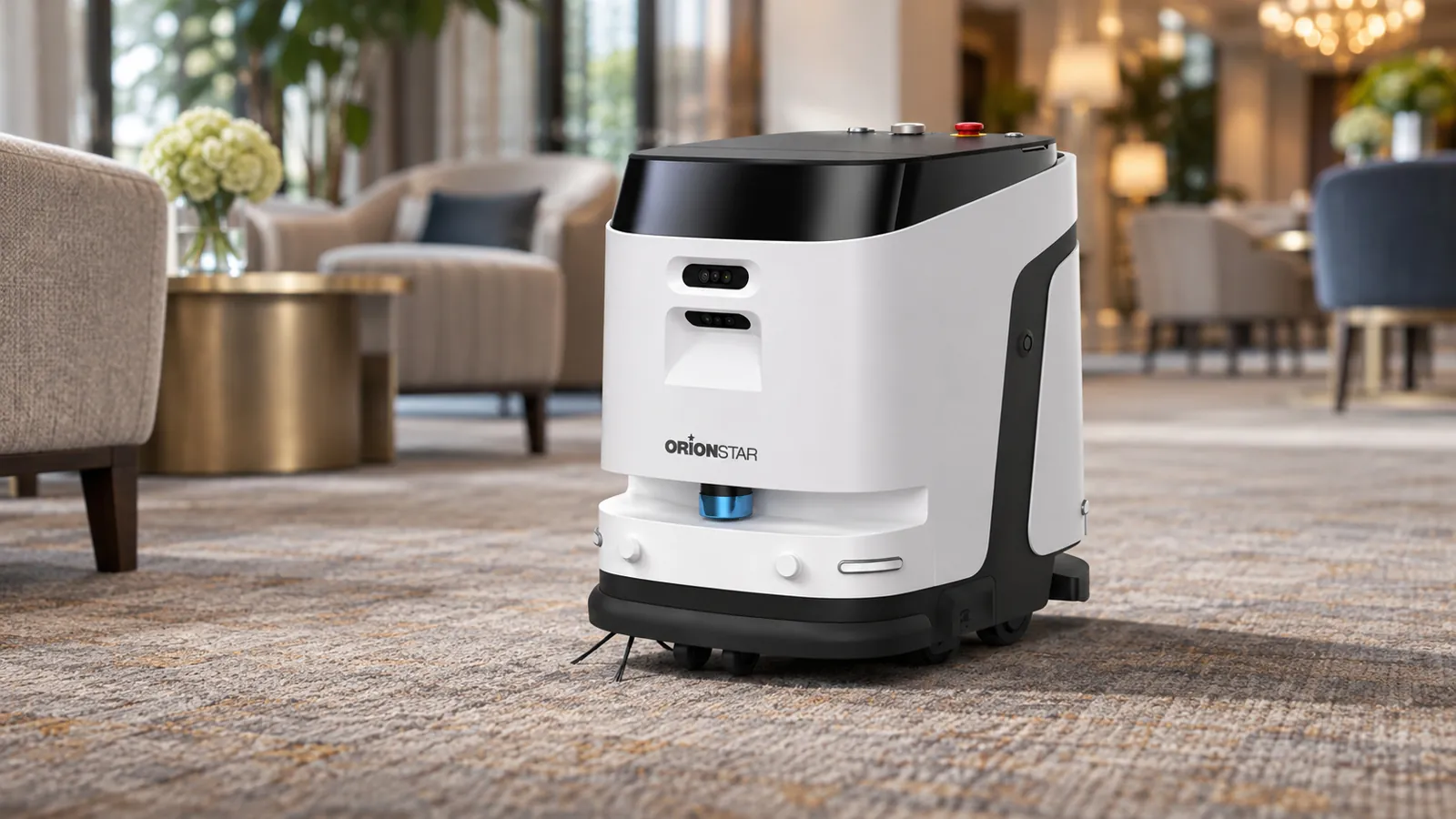
For carpeted corridors, the CleaniBot K1 is a relevant candidate because its main role is vacuuming. Its 10-litre bin and commercial cleaning design are useful features to assess against the length of the corridors and the amount of dry material collected.
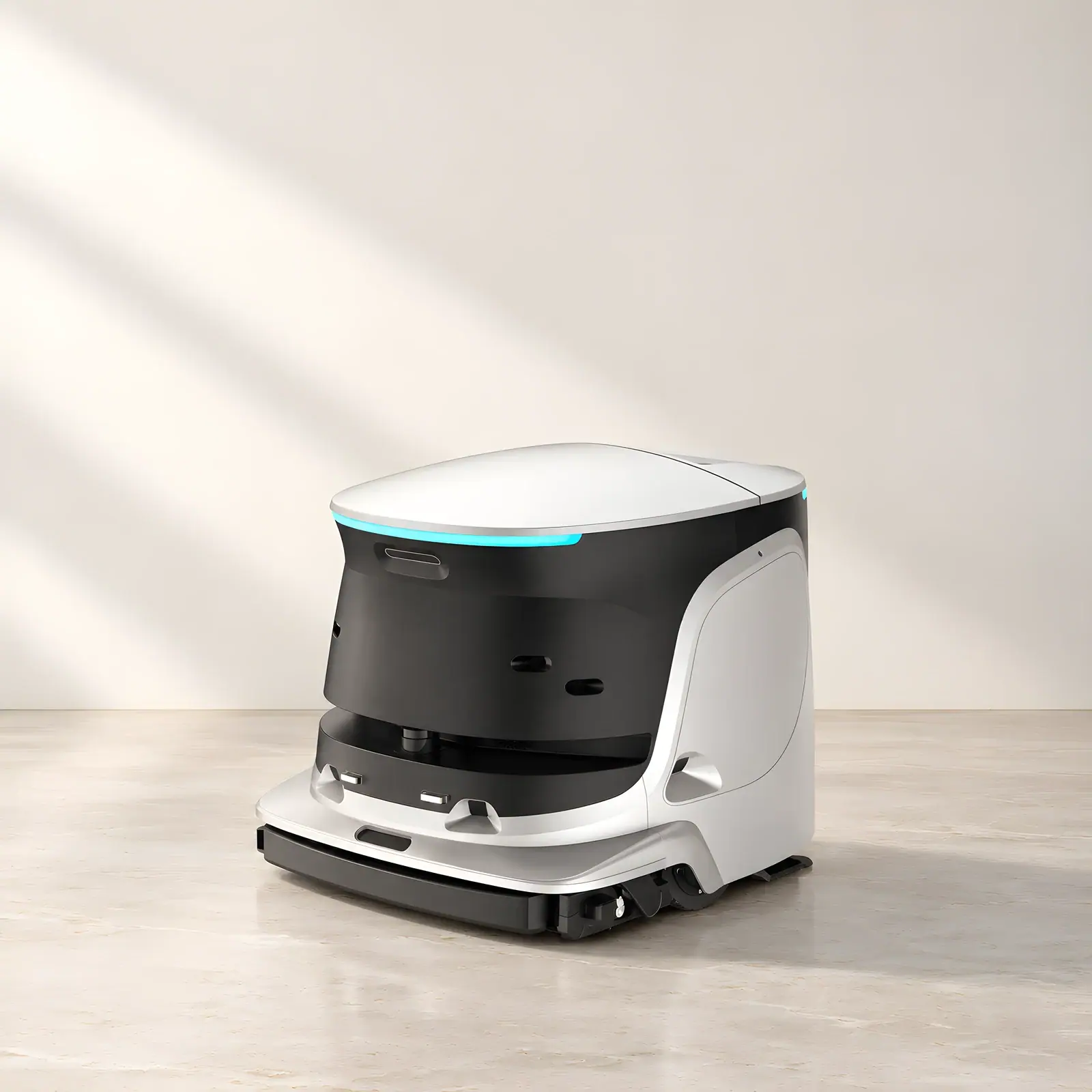
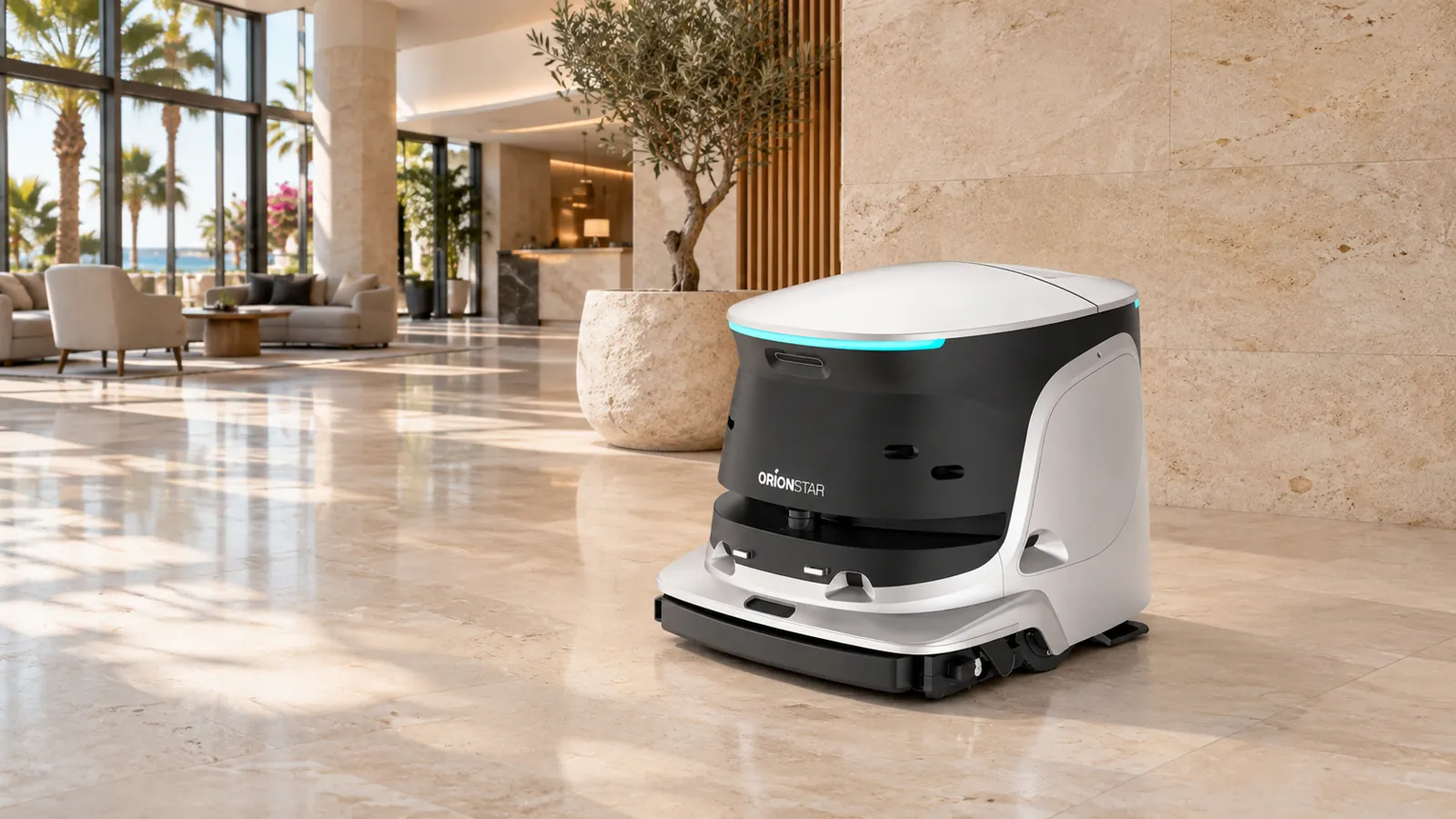
For a route crossing several compatible floor types, the CleaniBot S55 Pro offers different cleaning modes assigned to predefined zones. That flexibility could be useful where a hotel wants to organise several maintenance tasks around one machine.
If substantial hard-floor scrubbing is the priority, the CleaniBot M1 deserves consideration. Its dedicated water station can automate refilling and drainage, reducing repeated servicing trips for the team.
These are alternative starting points, not a recommendation that every hotel needs three robots. The choice depends on which task offers the most useful and realistic first deployment.
Build the schedule around real movements
The hotel team should identify when the intended route is normally clear. Lobby cleaning might suit a quieter period between arrivals and other activity, while corridor vacuuming should be assessed against guest expectations, room occupancy and housekeeping movements.
“Run it at night” is not automatically the answer. Noise can matter near guest rooms, and late arrivals may still use the public areas. A demonstration should include listening to the robot in the actual location, with the intended programme running.
Housekeeping trolleys, luggage and temporary furniture also need a place in the plan. If they regularly block a narrow route, adjust the schedule or select a different zone. Small operational changes can prevent a useful machine from spending too much of its time waiting.
Give the team a clear handover
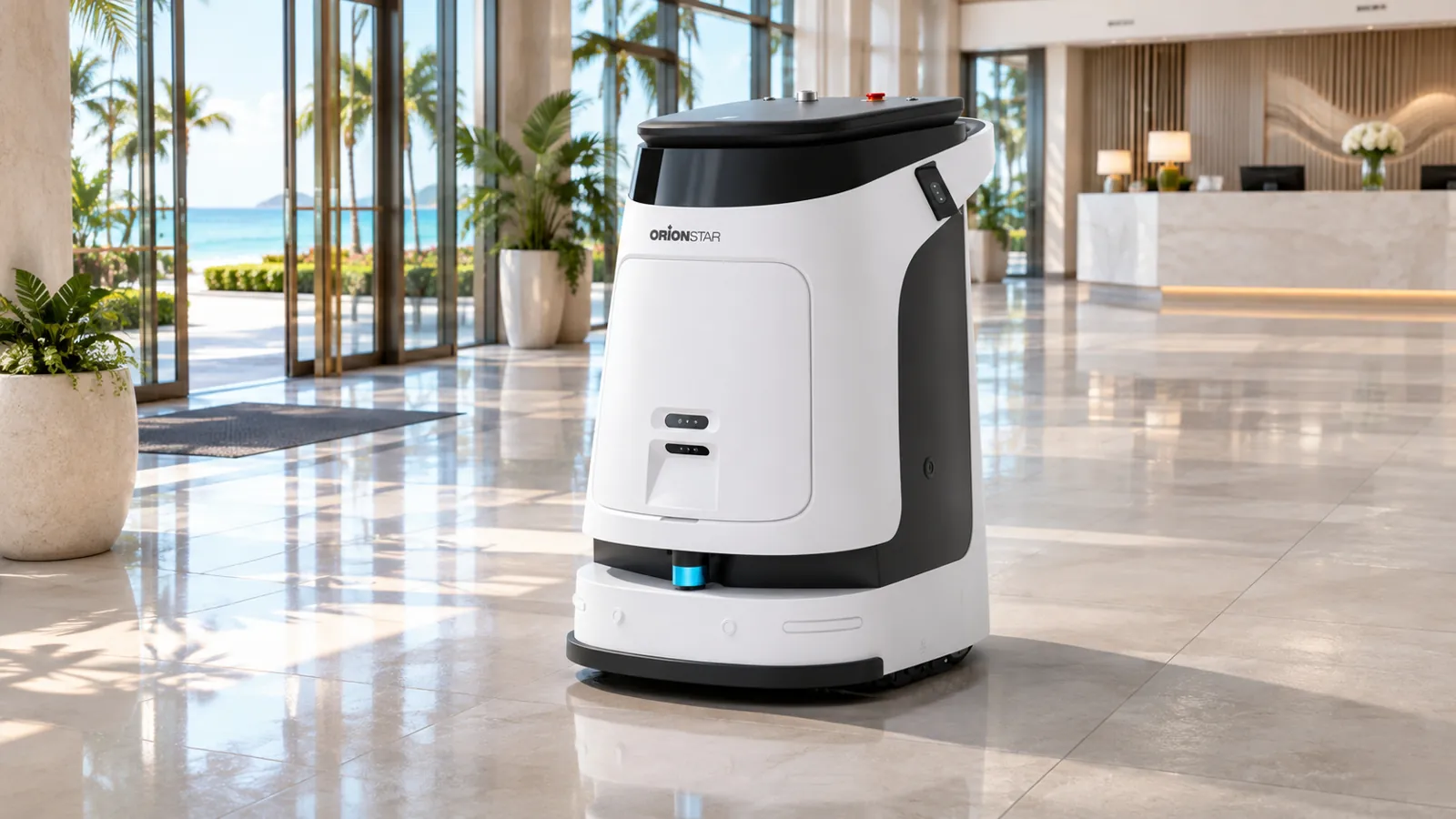
At the start of a task, the responsible staff member should know how to check the route, confirm the programme and start the machine. After the run, someone should inspect the finish, review any incomplete areas and carry out the required servicing.
The robot can take on repetitive floor work while housekeeping handles rooms, washrooms, furniture and detailed cleaning. That creates a practical division of labour without assuming the hotel can remove the people responsible for maintaining its overall standard.
Keep the docking position in mind. A water station or charging dock should have a clear approach and fit the staff workflow. It should not become another object competing for space in a busy guest route.
Judge the pilot by useful hotel outcomes
A pilot should record whether the planned zone was completed, whether staff had to intervene and whether the floor met the agreed standard. Also review the effect on housekeeping: did the new routine create more time for other necessary work, or simply move the effort into preparation and troubleshooting?
Guest feedback and staff observations can identify timing changes before the programme expands. The relevant outcome is dependable floor care that fits hospitality operations, not simply a robot being visible in the lobby.
Reef Robotics is a local supplier in Cyprus and can support selection, delivery, mapping, team training and technical assistance after purchase. Explore our commercial cleaning robots for hospitality and other businesses to see the available approaches. Hotel cleaning robots in Limassol work best when their tasks are designed around the property’s surfaces, people and daily rhythm.