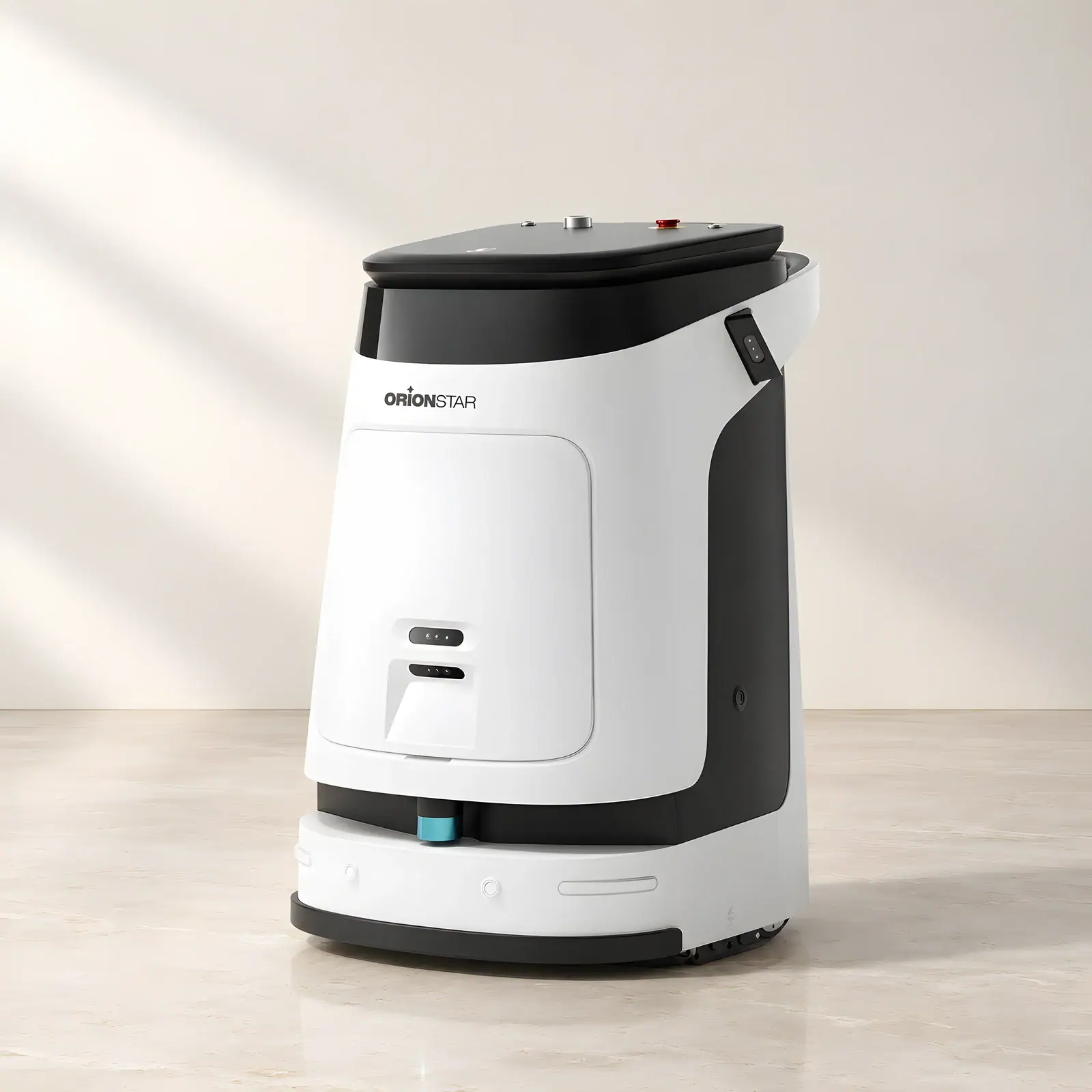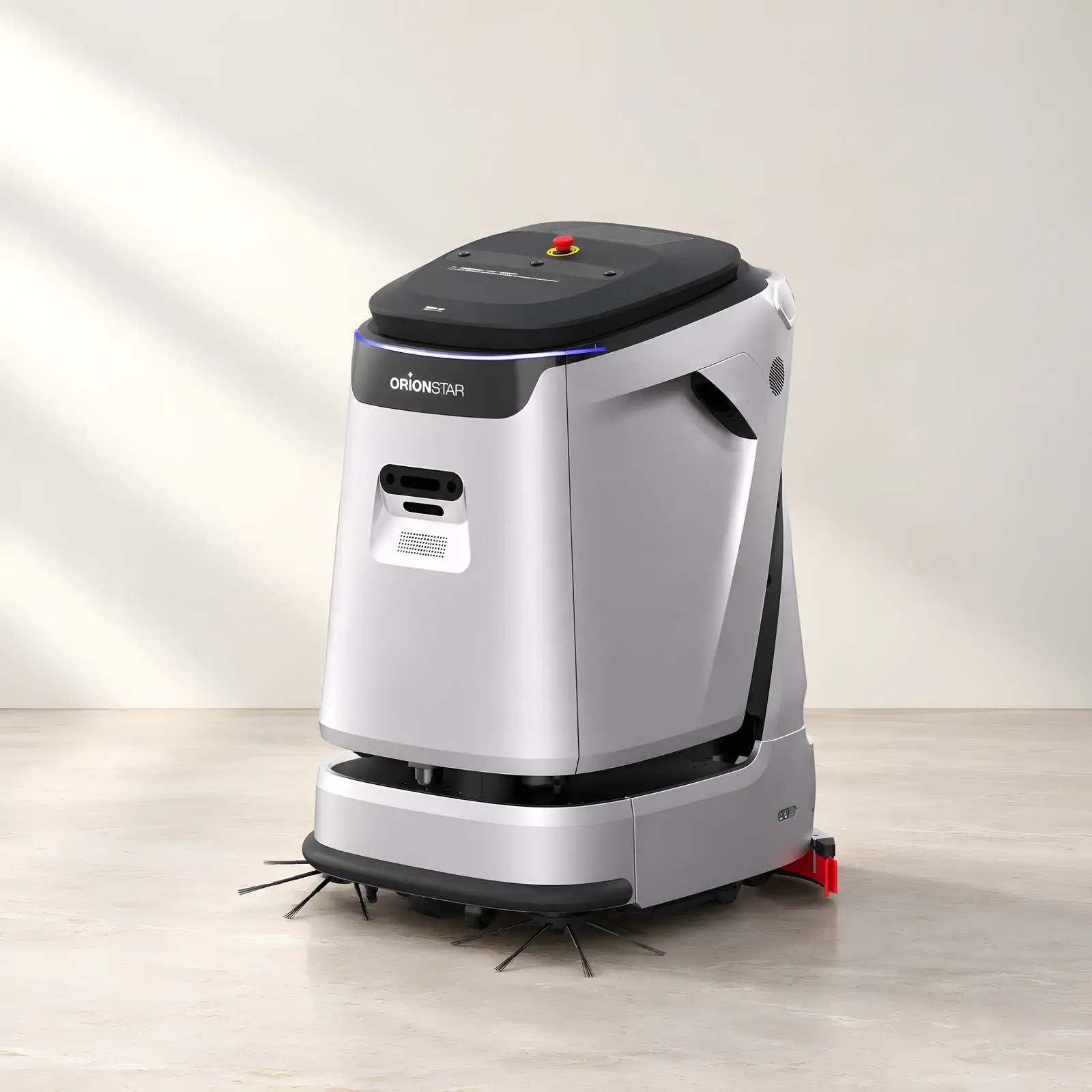
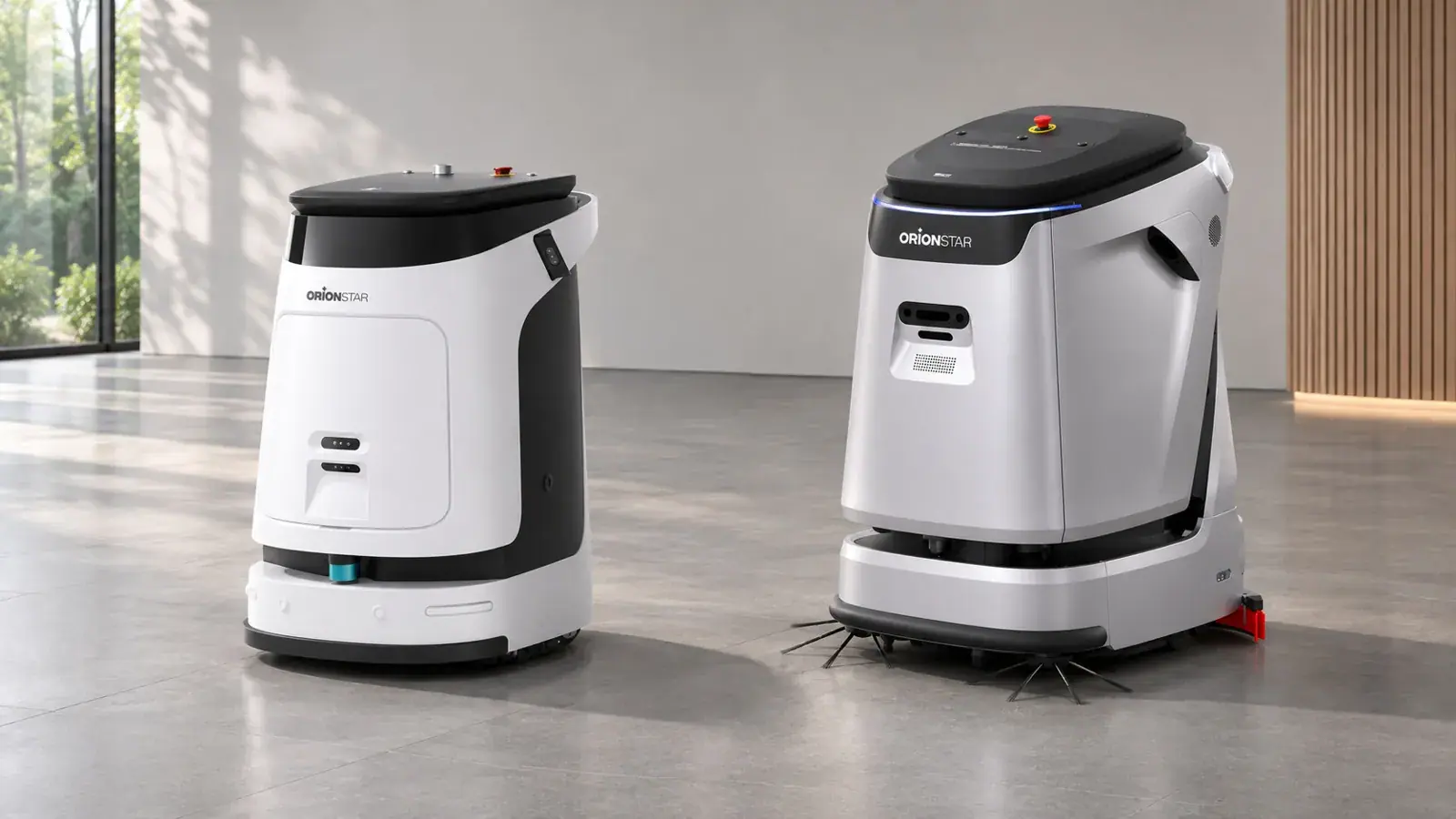
Two robots can both scrub floors and still suit quite different working days. One building needs dependable maintenance across corridors and shared spaces. Another has larger open areas, more demanding dirt and a short window in which to finish the job.
That is the useful starting point for a CleaniBot M1 vs C5 comparison. Both models support autonomous hard-floor care and automated water handling with the appropriate station. The decision comes down to the cleaning load, physical access and how much work the complete installation can take off the team’s hands.
CleaniBot M1 vs C5 at a glance
| Feature | CleaniBot M1 | CleaniBot C5 |
|---|---|---|
| Main role | Regular commercial floor scrubbing | More demanding commercial and industrial scrubbing |
| Cleaning width | 500 mm | 550 mm |
| Maximum cleaning rate | Up to 1,200 m²/h | Up to 1,980 m²/h |
| Clean-water tank | 35 L | 45 L |
| Wastewater tank | 33 L | 45 L |
| Scrubbing runtime | Approximately 3.5 h | Up to 3 h |
| Charging time | Approximately 2 h | Approximately 1.5 h |
| Minimum passing width | 780 mm | 880 mm |
| Station functions | Refill, drainage and charging | Refill, drainage, charging and internal tank rinsing |
These published figures describe different aspects of performance. Maximum hourly output is not the same as the area completed during a real shift, and runtime depends on operating conditions.
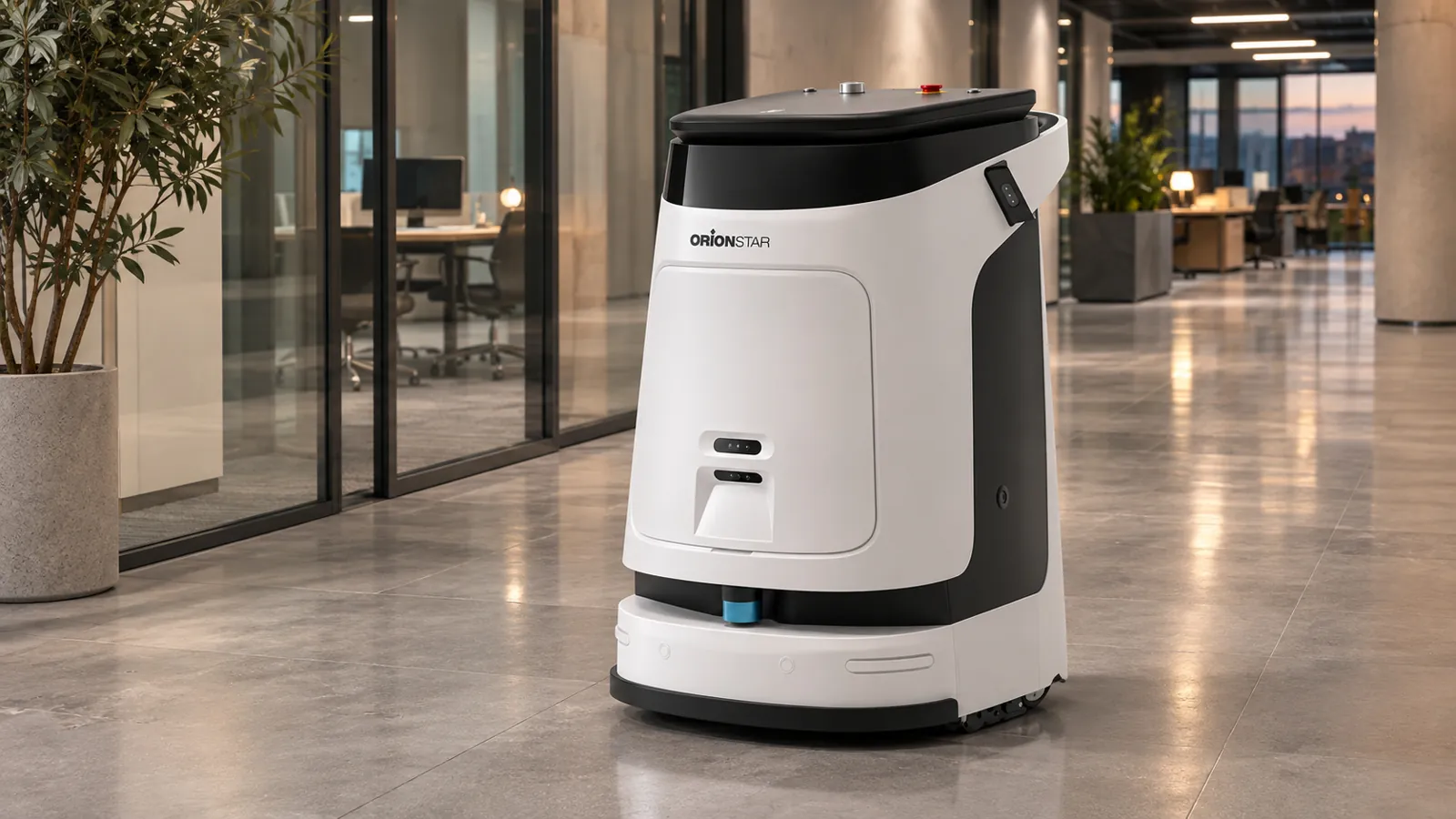
Start with the floor and the dirt
The CleaniBot M1 is a strong candidate for recurring maintenance on compatible hard floors in offices, education buildings, hospitality properties and other commercial facilities. Its floating dual-roller system and water recovery are designed around regular floor-care work.
The CleaniBot C5 places more emphasis on demanding scrubbing. Its dual rollers have a specified downward pressure equivalent to a 25 kg load, and its higher maximum output may be useful where large accessible areas need attention.
The building’s label does not make the decision automatically. A warehouse with light dirt and awkward access may need a different solution from a warehouse with broad aisles and persistent floor contamination. Likewise, a busy shopping centre can place substantial demands on a scrubber despite being far removed from an industrial environment.
Check access before choosing extra capacity
The M1’s listed minimum passing width is 100 mm narrower than the C5’s. That difference can matter at doorways and other restricted points. It does not guarantee either model will negotiate every corner, so the full route should be checked.
The machines also differ in weight: approximately 121.7 kg for the M1 and 170 kg for the C5, before loading. Any plans involving lifts or movement between floors need to account for the equipment and the actual building arrangements.
Extra capacity is useful only if the robot can reach the intended work. A site survey may reveal that a smaller accessible route is more valuable than a larger headline cleaning rate.
Compare the complete servicing routine
Both robots can reduce water-handling tasks when paired with the appropriate station. The C5 adds an internal tank-rinsing function, which can reduce another part of the routine between cleaning cycles.
That difference matters most when tank servicing is a recurring demand on staff. In other buildings, the M1’s automatic refilling and drainage may already address the main interruption. Reef Robotics can help define the station configuration, installation requirements and remaining manual tasks for either option.
Ask for the full daily routine to be demonstrated: preparation, cleaning, return to station and the checks required afterwards. That shows the benefit more clearly than watching a machine scrub one small patch of floor.
Test a representative route
A useful demonstration includes a normal section of the building, the expected cleaning standard and the time available. Record completed area, visible results, operator interventions and servicing time. The outcome may favour a robot with a lower headline rate if it fits the route and workflow better.
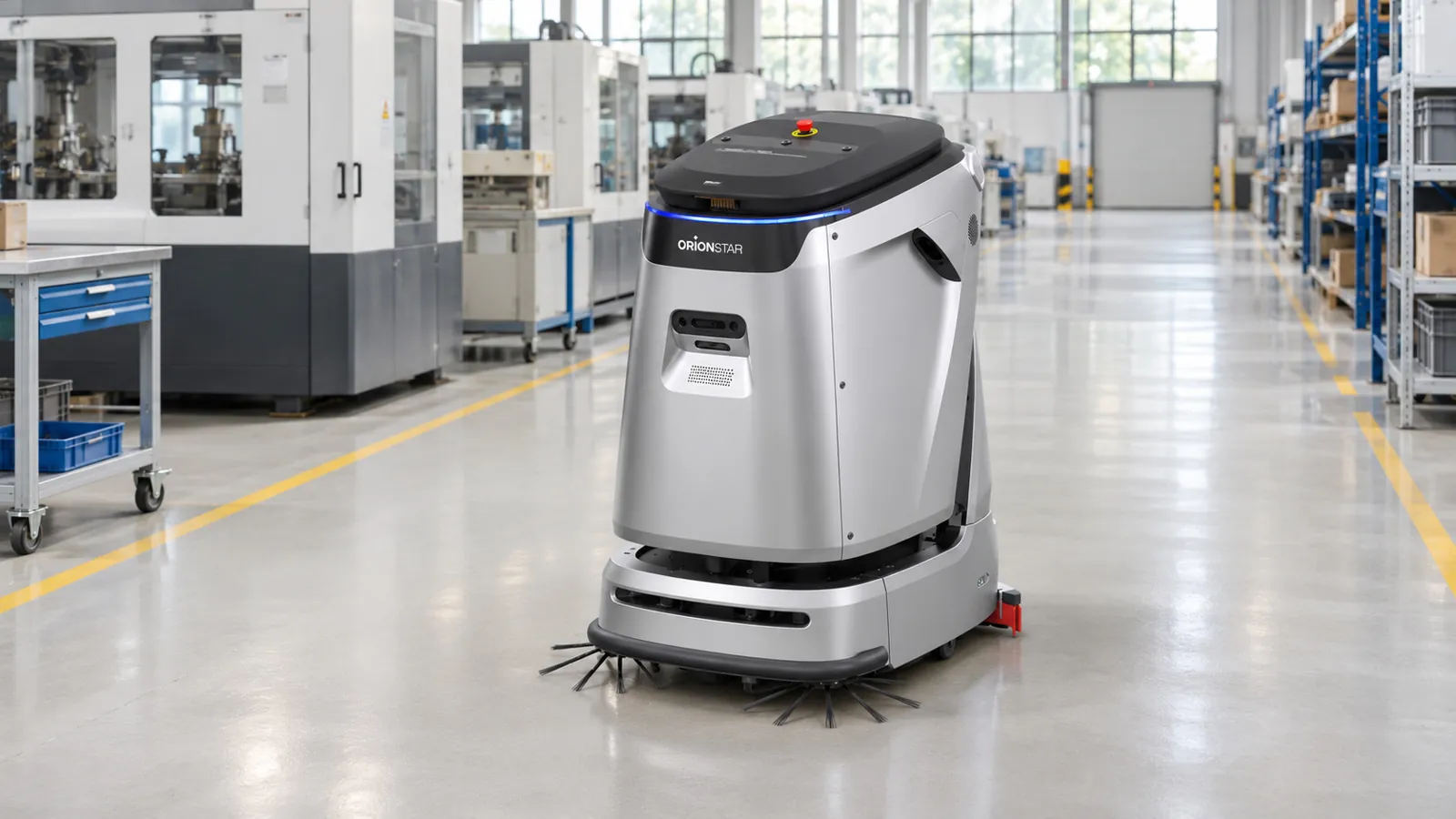
The CleaniBot M1 vs C5 decision becomes easier once those practical details are clear. M1 is worth assessing for regular automated scrubbing; C5 deserves attention when heavier cleaning demands, higher potential output or additional station automation justify the larger installation. Both sit within Reef Robotics’ commercial cleaning robot collection, allowing the recommendation to start with the facility rather than a single model.
Haven’t found information about the cleaning robot you are considering? Contact Reef Robotics. We can help compare the options and choose equipment that suits your floors, workload and team.