Buying a restaurant robot is not the same as buying standard equipment. You are not just purchasing hardware – you are introducing a new operational system into your business. And that means the vendor matters just as much as the robot itself.
A good robot with poor support quickly becomes frustrating. On the other hand, the right vendor can make implementation smooth, practical, and genuinely valuable from day one. Before making a decision, it’s worth asking a few important questions. These help separate serious long-term partners from companies that simply sell devices.
1. What Kind of Support Is Available Locally?
This should be one of the first questions. If something needs adjustment, maintenance, or troubleshooting, local support makes a huge difference. Waiting days or weeks for remote assistance is not realistic in hospitality environments.
At Reef Robotics, support is provided locally in Cyprus, including setup assistance, mapping, training, and operational guidance.
2. How Long Does the Battery Last?
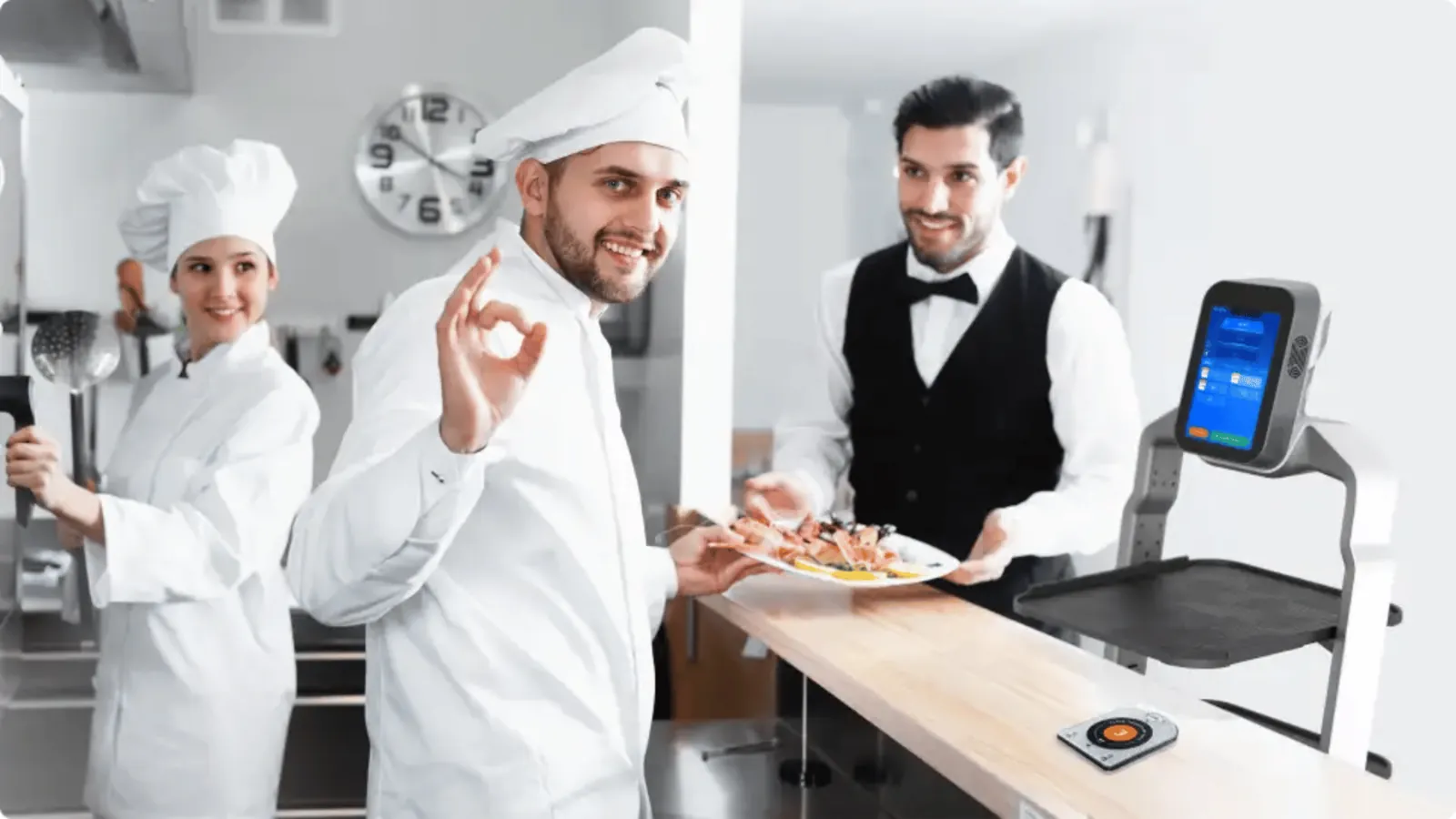
Battery performance directly affects usability. A restaurant robot should comfortably handle a full service period without constant charging interruptions. It’s also worth asking whether the robot can return automatically to its charging station.
Most professional OrionStar robots offered by Reef Robotics operate for approximately 10–15 hours depending on usage and include automatic charging functions.
3. Is the Robot Safe Around Guests?
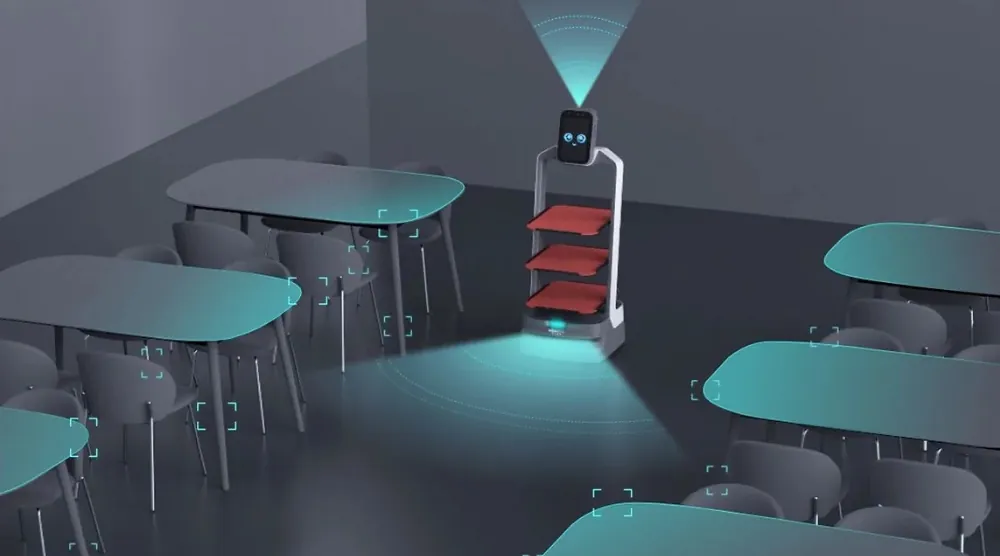
Ask how the robot detects obstacles, avoids collisions, and behaves in crowded environments. A professional robot should use multiple systems together — not just basic sensors.
Modern service robots use LiDAR, cameras, and intelligent navigation systems to move safely around guests and staff.
4. Can the Robot Be Customized?
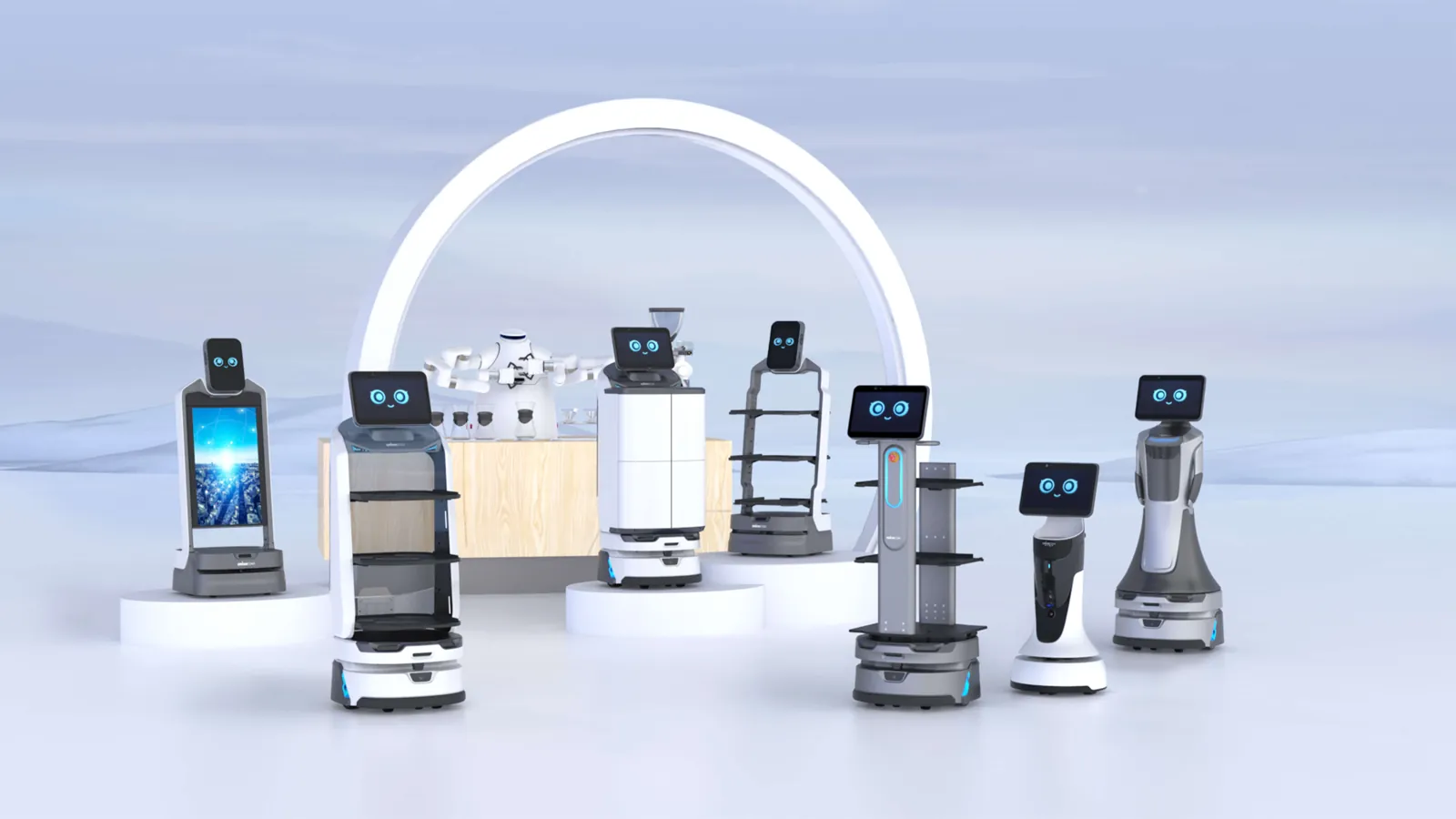
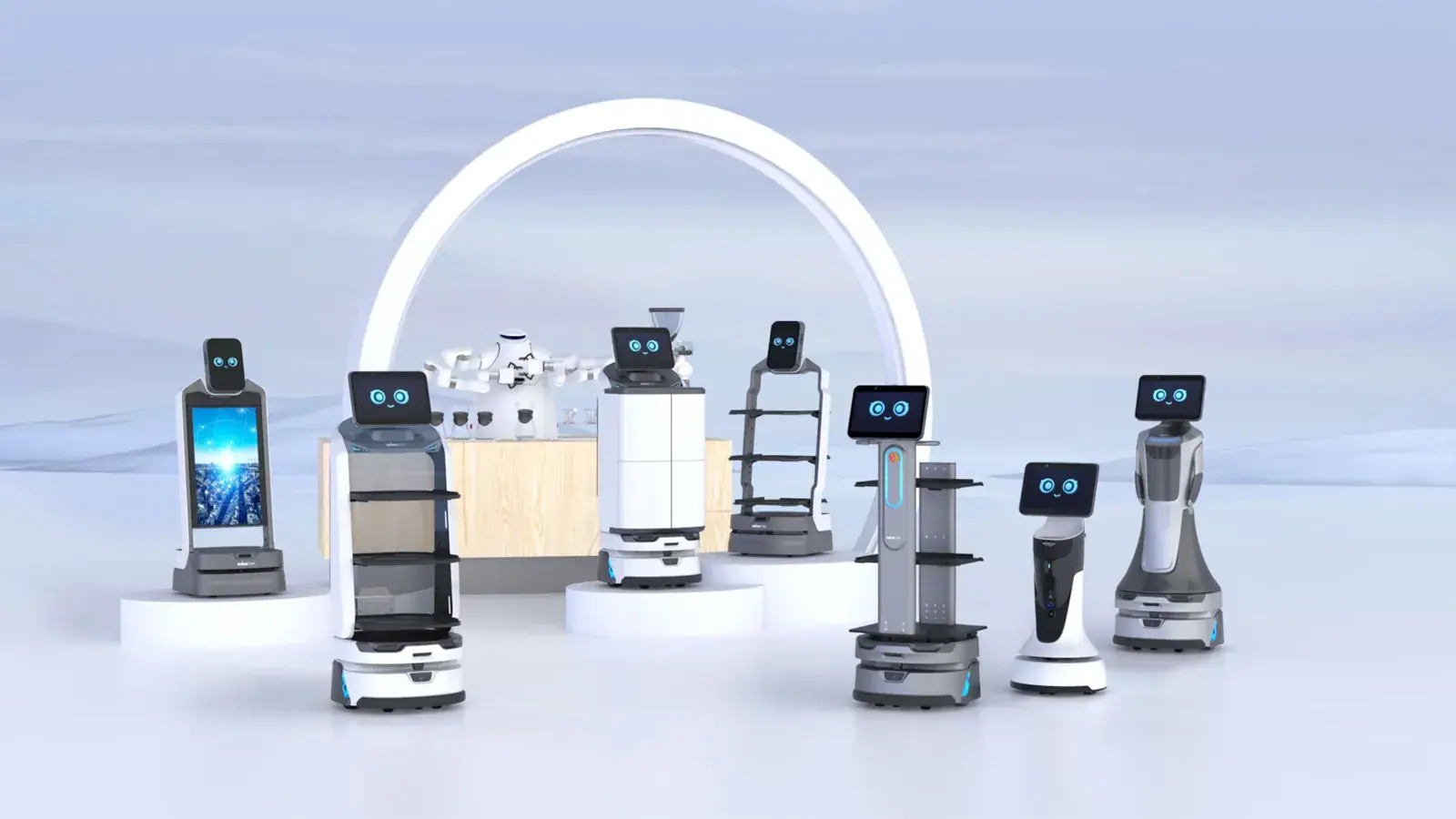
Different businesses need different workflows. Some venues need food delivery. Others want promotional displays, hotel logistics, or event interaction. The robot should adapt to the business – not the other way around.
At Reef Robotics, robots can be configured for restaurants, hotels, exhibitions, shopping malls, and commercial environments.
5. How Difficult Is the Setup Process?
Many buyers assume setup is highly technical. In reality, a well-designed restaurant robot should be relatively easy to deploy.
Ask:
- how mapping works
- how long implementation takes
- whether training is included
In most cases, setup can be completed within a short timeframe, especially when supported by an experienced local team.
6. What Happens If the Layout Changes?
Restaurants and venues evolve constantly. Tables move. Spaces change. Event layouts are temporary.
A good robot system should allow map updates without rebuilding everything from scratch. Professional robots can usually store multiple maps and switch between them easily. This flexibility becomes very important over time.
7. Is There a Warranty?
This sounds obvious, but warranty conditions vary significantly between vendors.
Ask:
- how long the warranty lasts
- what is included
- how repairs are handled
- whether spare parts are locally available
Reliable vendors should answer these questions clearly and directly.
8. Can the Robot Be Controlled Remotely?
Modern robots are not limited to touchscreen control. Many systems allow real-time management from smartphones or computers. This includes:
- calling the robot
- changing routes
- adjusting speed
- updating screen content
- monitoring usage statistics
For operational environments, this level of flexibility matters.
9. What Training Is Included?
A restaurant robot only delivers value if the staff actually use it correctly.
Ask whether onboarding and training are part of the implementation. Good vendors help teams understand workflows, not just controls.
At Reef Robotics, training focuses on practical daily use, helping staff integrate the robot naturally into service.
10. Can I Rent Before Buying?
This is one of the smartest questions a business can ask. Renting allows companies to test workflows, guest reactions, and operational fit before committing to a purchase. It also works well for seasonal demand and events. Reef Robotics offers both purchase and robot rental options across Cyprus.
11. What Are the Real Operating Costs?
The purchase price is only one part of the picture.
Ask about:
- maintenance requirements
- battery lifespan
- software updates
- spare parts availability
- long-term support costs
A professional vendor should be transparent about these details from the beginning.
12. Has the Robot Been Used in Real Environments?
A robot may look impressive in marketing videos, but real-world usage matters far more. Ask for examples from restaurants, hotels, exhibitions, or commercial venues. Real deployments reveal much more about reliability and practicality than specifications alone.
This is especially important for businesses looking for a long-term operational solution rather than a short-term novelty.
Choosing the Right Partner Matters More Than You Think
Many businesses focus entirely on the robot model itself. But in reality, the long-term experience depends heavily on the vendor behind it.
Support, training, setup quality, responsiveness, and flexibility often determine whether the robot becomes an essential operational tool or just an interesting gadget.
That’s why asking the right questions early is so important. A professional restaurant robot should not only work well – it should come with a system of support that makes implementation easy and reliable.
The Goal Is Practical Value
The best robot deployments are the ones that quietly improve operations every day. Faster deliveries. Less repetitive movement. Better guest experience. Reduced pressure on staff. Getting there starts with choosing the right technology partner.
Contact Reef Robotics to discuss your venue, ask questions, and see which service robot setup makes the most sense for your business in Cyprus.