
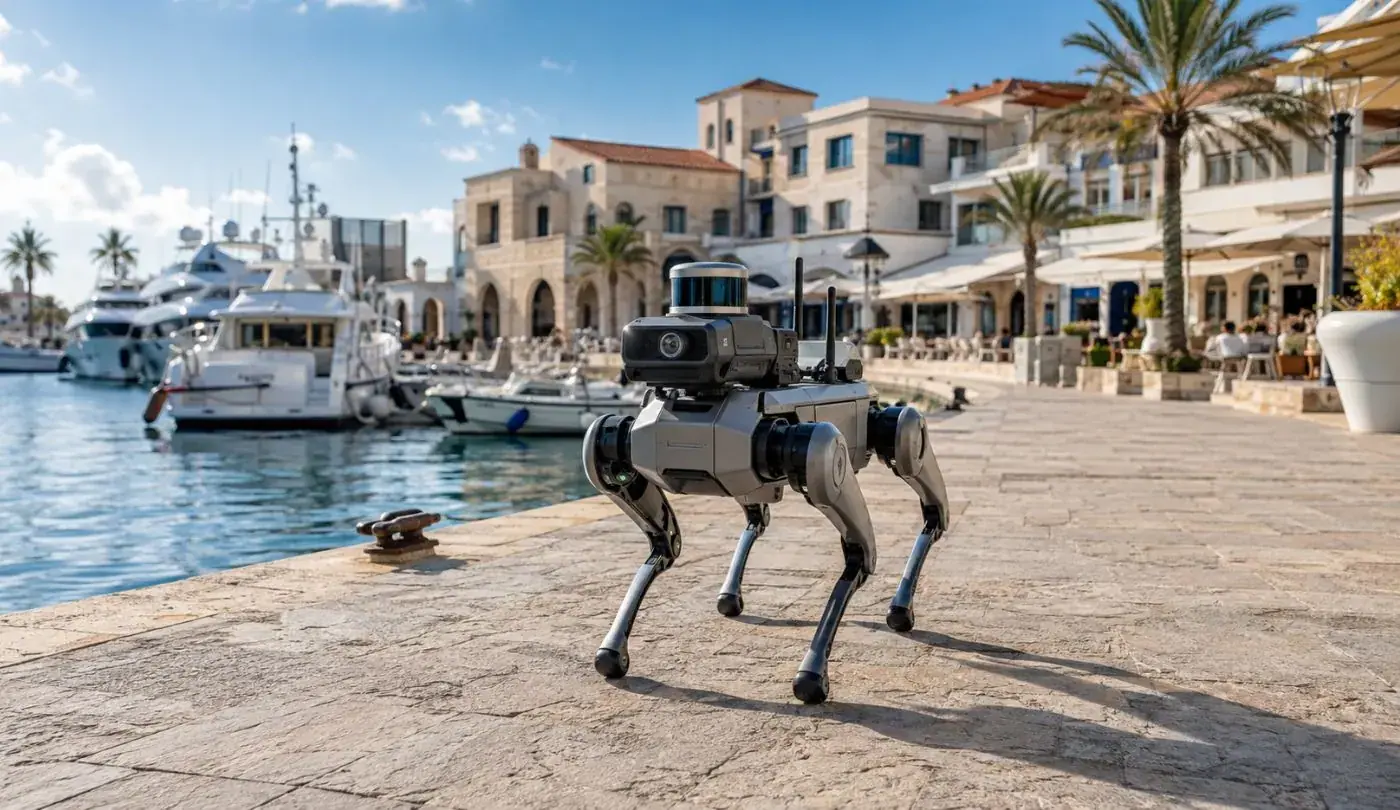
Robot dogs attract attention immediately. They look unusual, move in a way people do not expect, and create a strong futuristic impression. At events, they can easily become the most photographed technology in the room. But the real question is simple: are robot dogs useful for business, or are they mainly expensive gadgets?
The answer depends on the use case. In some environments, robot dogs can be valuable. In others, a simpler and more specialized robot may be a better first step.
Where Robot Dogs Can Make Sense
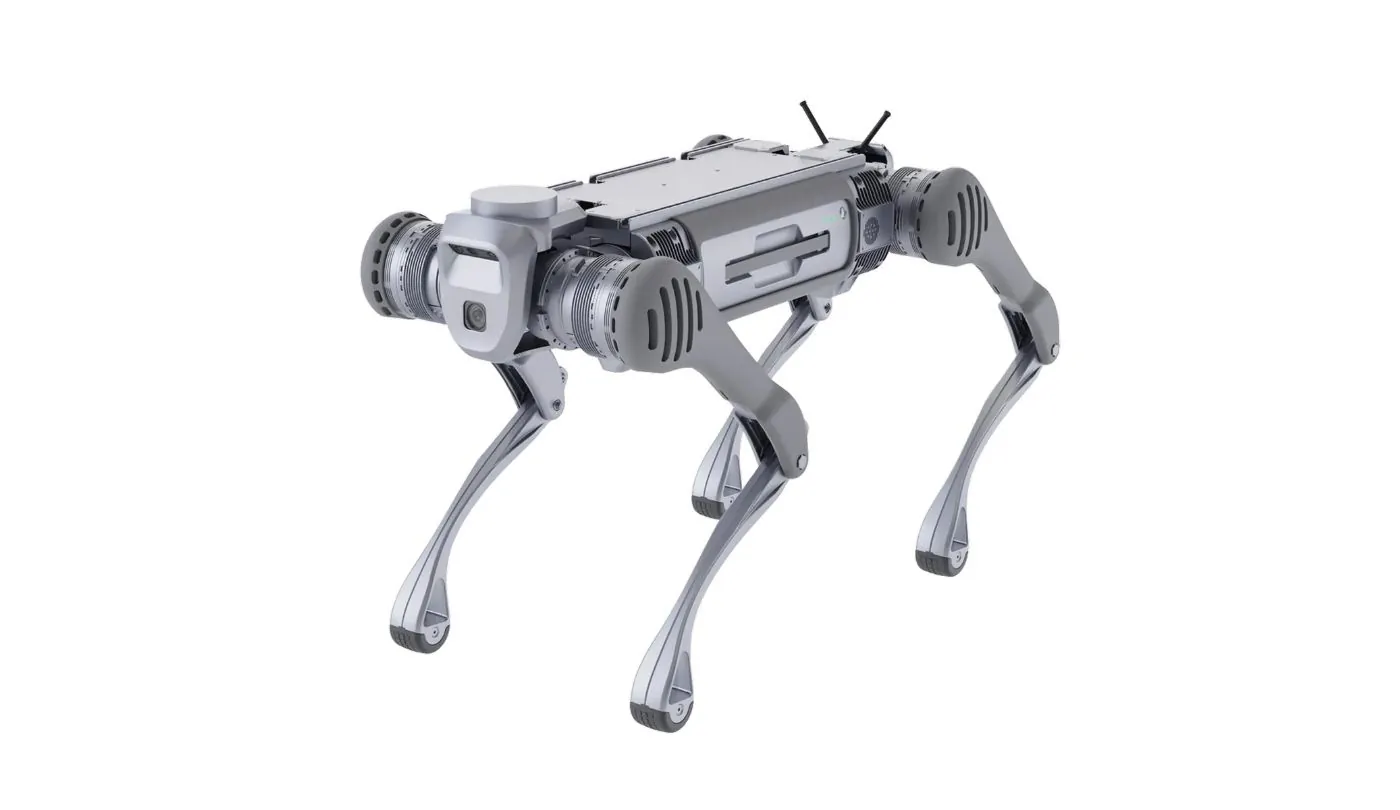
The strongest use cases are connected with inspection, monitoring, and difficult environments. A robot dog can move through spaces where wheels may not be ideal. It can climb certain surfaces, handle uneven ground better than many wheeled robots, and carry cameras or sensors for remote monitoring.
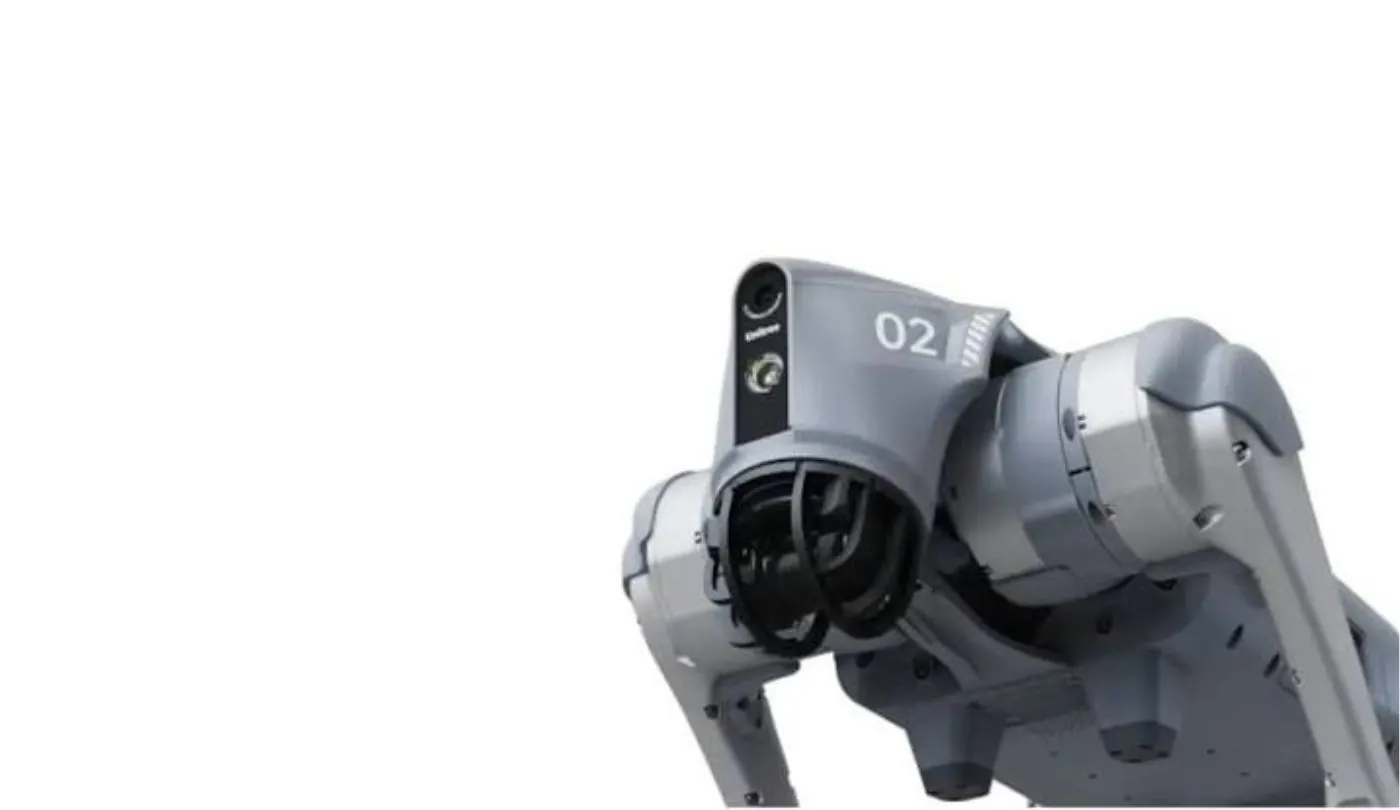
This makes robot dogs interesting for construction sites, warehouses, industrial facilities, large outdoor properties, technical rooms, and perimeter checks. They can be used to inspect areas, collect visual data, support security teams, or monitor places where sending a person every time is inefficient.
In some environments, this is not just about novelty. It can reduce unnecessary walking, improve inspection frequency, and allow teams to check difficult areas more safely.
Security and Site Monitoring
For security, a robot dog can work as a mobile inspection unit. It can patrol selected routes, carry cameras, detect unusual activity, or provide a remote view of a location. This may be useful in large facilities, storage areas, construction sites, or private compounds.
However, expectations must be realistic. A robot dog is not a full replacement for trained security staff. It is a support tool. People still make decisions, respond to incidents, and manage security procedures. The robot can extend visibility and reduce routine patrol effort, but it does not replace human judgment.
Events and Brand Impact
At events, robot dogs are powerful attention magnets. They create curiosity, social media content, and immediate conversations. For technology expos, product launches, corporate events, and innovation-focused campaigns, that can be very valuable.
In this context, the robot dog is part of the experience. It may not be there to solve a major operational problem. It is there to attract attention and position the brand as bold, modern, and open to new technology.
That can be a valid reason to use one, as long as the goal is clear.
When a Robot Dog Is Not the Best Choice
Not every business needs a robot dog. In many cases, a specialized robot will deliver more practical value. If a restaurant needs food delivery, a waiter robot is better. If a hotel needs floor cleaning, a cleaning robot is better. If a warehouse needs to move goods, a transport robot is better.
This is the key point: robot dogs are exciting, but they are not always the most efficient solution. They should be selected when mobility, inspection, terrain, or attention value are the real priorities.
For businesses exploring automation for the first time, it may be smarter to start with robots that solve everyday operational problems.
A Balanced View
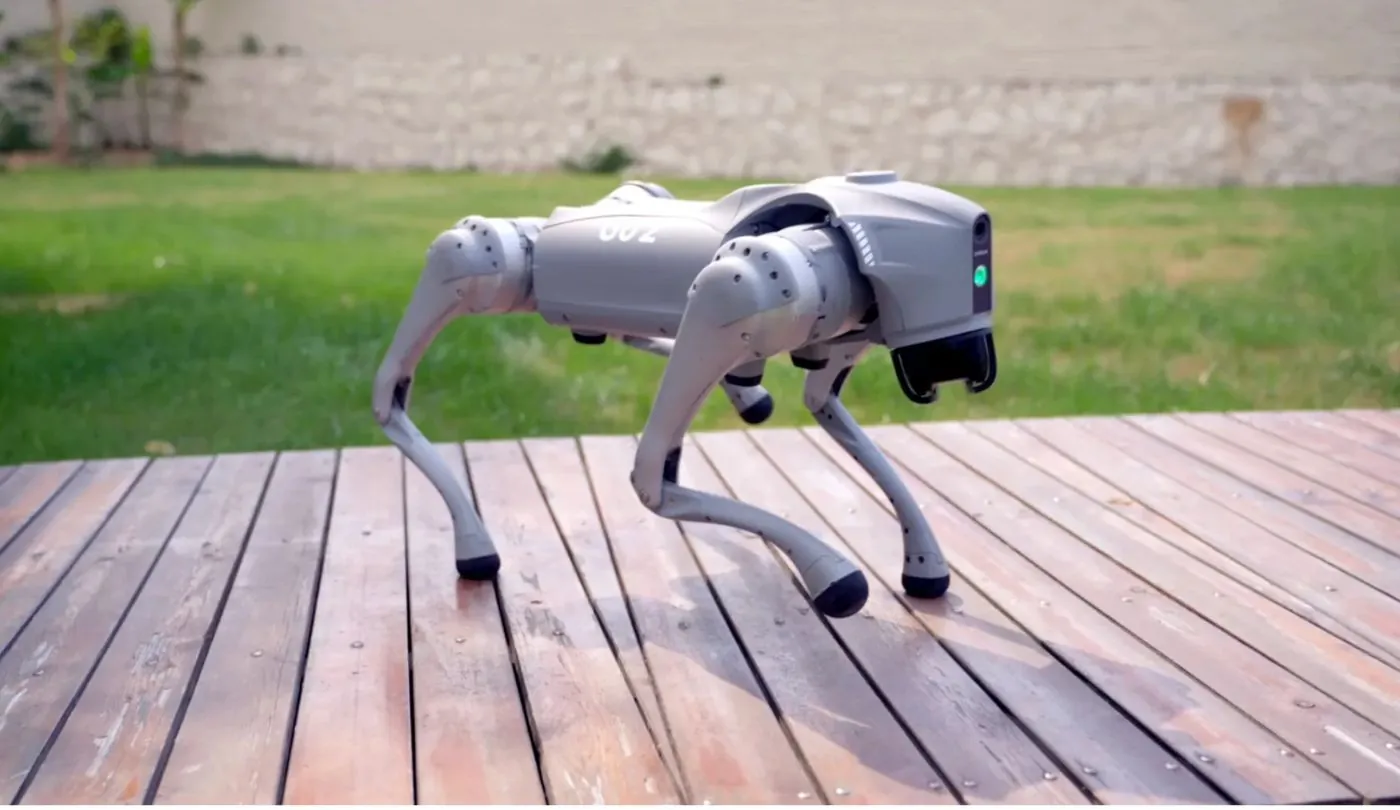
Robot dogs are not just toys. They can support inspection, monitoring, security, and event engagement. But they should be treated as specialized tools, not universal solutions.
For some businesses, they may become very useful. For others, they may be impressive but unnecessary. The best approach is to start with the problem, not with the robot.
You can also see how Reef Robotics already presents robotics in real Cyprus environments: Doers Summit — robot at a business event, AI Cyprus Expo — LuckiBot Pro in Limassol, and GDCy Fest 2026 — service robot at a tech event.
Contact Reef Robotics to discuss whether a robot dog, service robot, cleaning robot, or warehouse robot is the best fit for your business in Cyprus.
