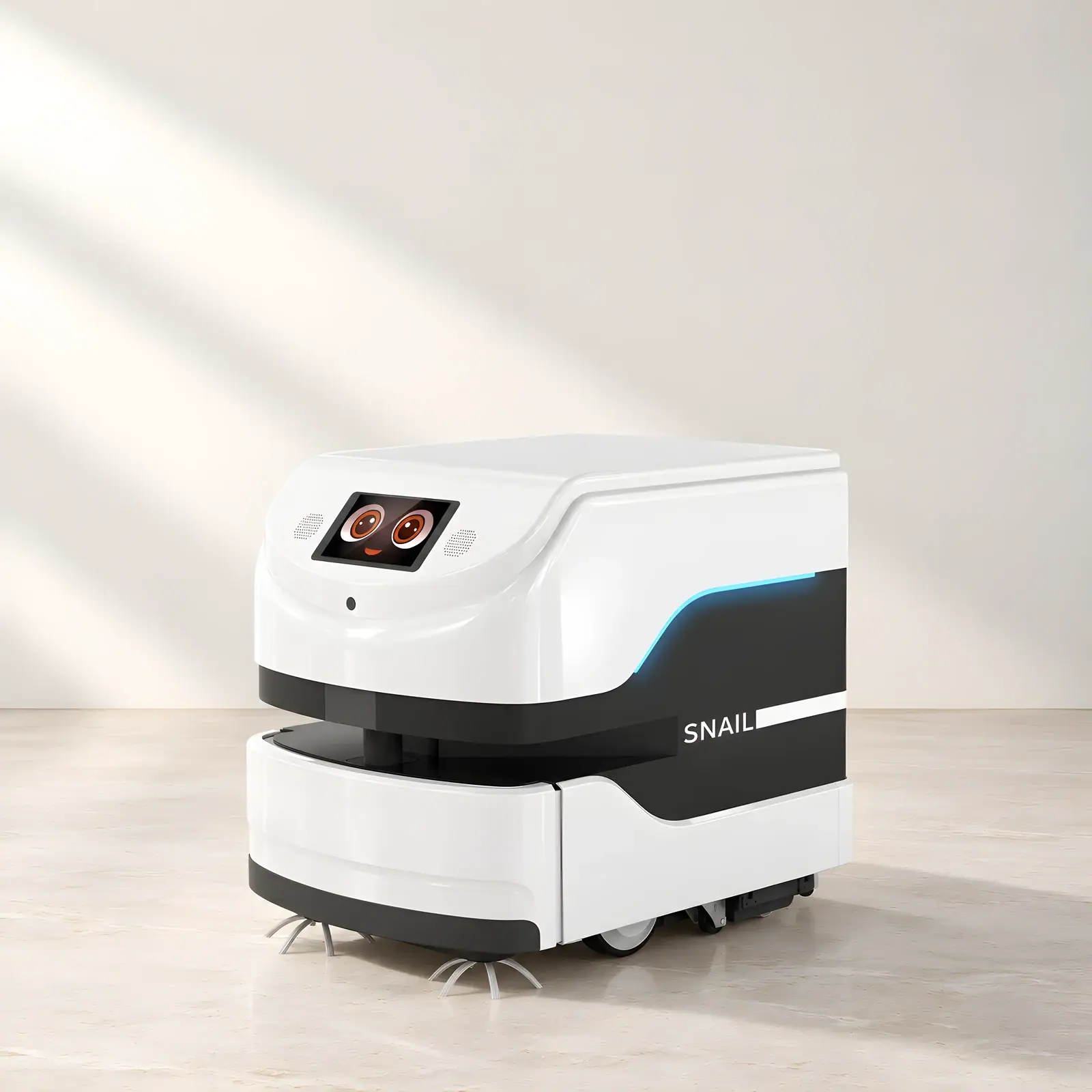
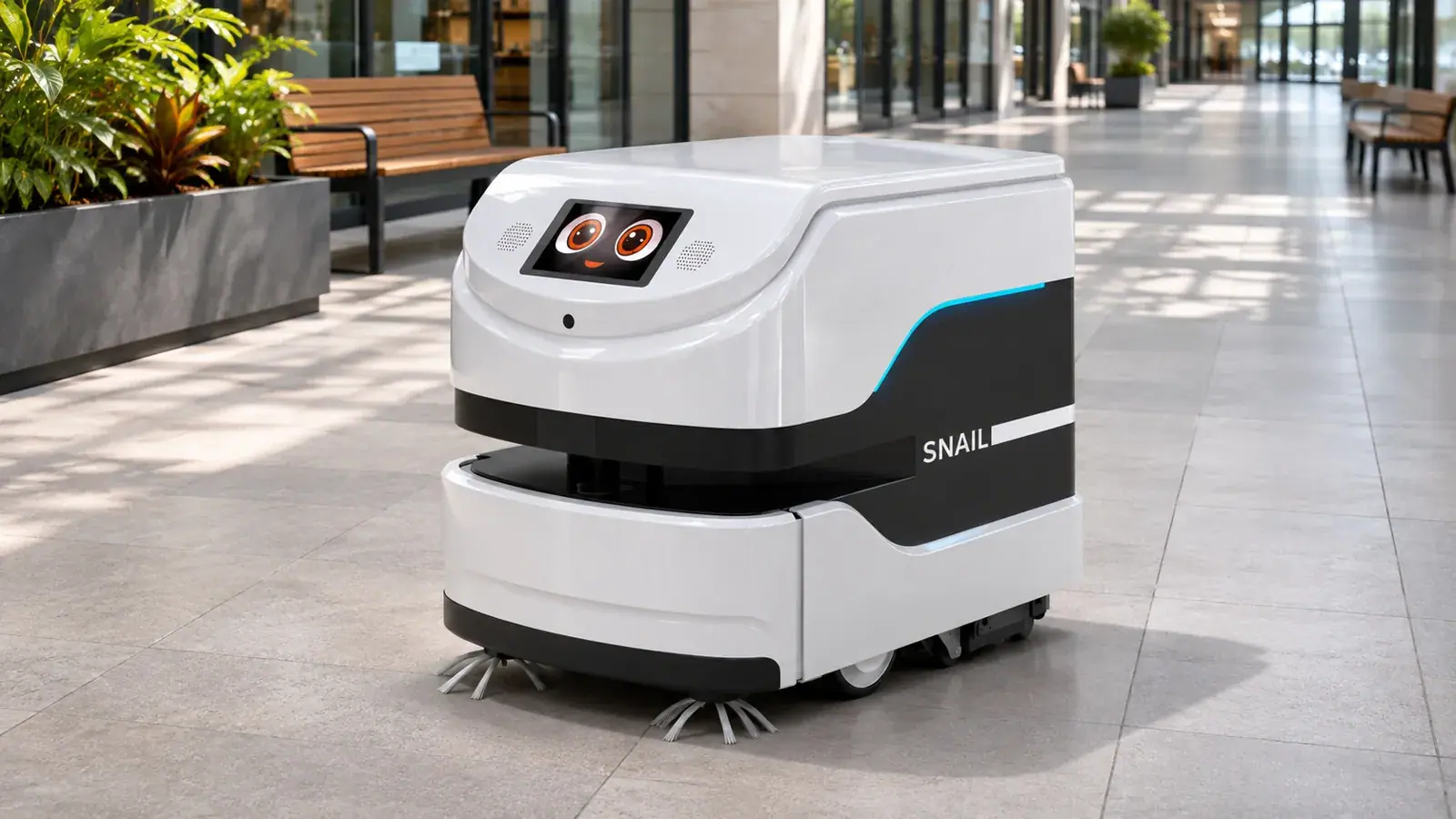
Daily floor care often involves several small jobs rather than one dramatic cleaning challenge. Loose dust needs collecting, tracked-in dirt needs attention, and the same corridors need another maintenance pass tomorrow.
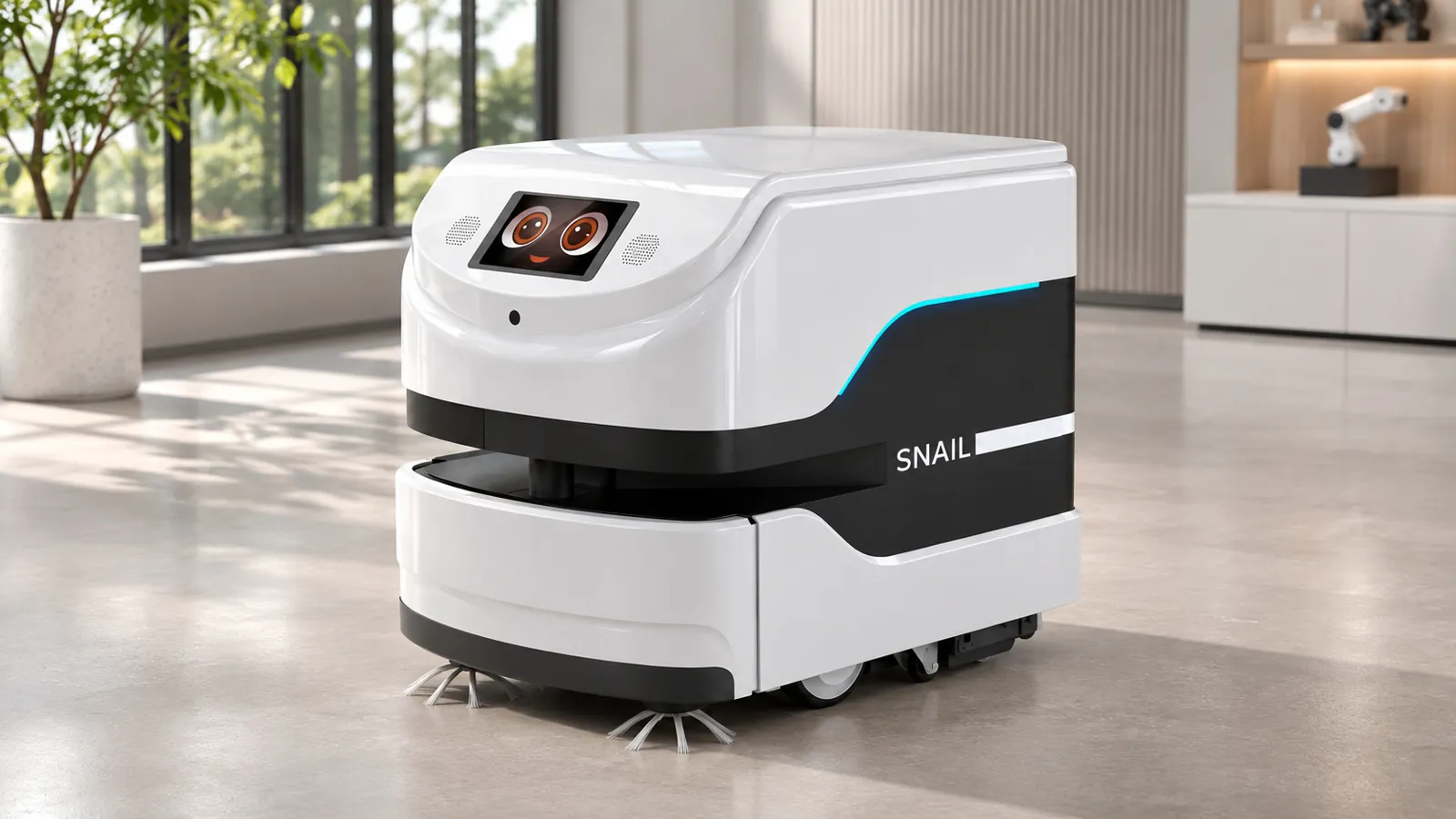
Reeman Snail combines sweeping, vacuuming and mopping in one autonomous commercial robot. Its purpose is to make that recurring routine easier to organise across suitable indoor areas, with scheduled tasks and navigation that follows a mapped environment.
For businesses assessing a multipurpose machine, the Reeman Snail offers a useful starting point. The key is to understand how its functions fit the building, rather than assume that several cleaning modes make every robot interchangeable.
What Reeman Snail does during a cleaning run
Sweeping moves loose material towards collection, vacuuming draws dust and debris into the machine, and mopping provides another stage of floor maintenance. Combining these functions can simplify routine care where staff would otherwise use several tools across the same accessible area.
The robot has a 15-litre water tank and a water circulation and filtration system. That system supports water management during operation, but staff still need a clear process for inspecting and maintaining the water system. Filtration does not make water servicing unnecessary.
Snail is worth considering for routine maintenance in commercial interiors. If the main task is intensive scrubbing of stubborn contamination, the choice should also include a dedicated scrubber. A multipurpose maintenance robot and a machine designed around high-pressure brush action solve different versions of the floor-care problem.
How it finds its way around
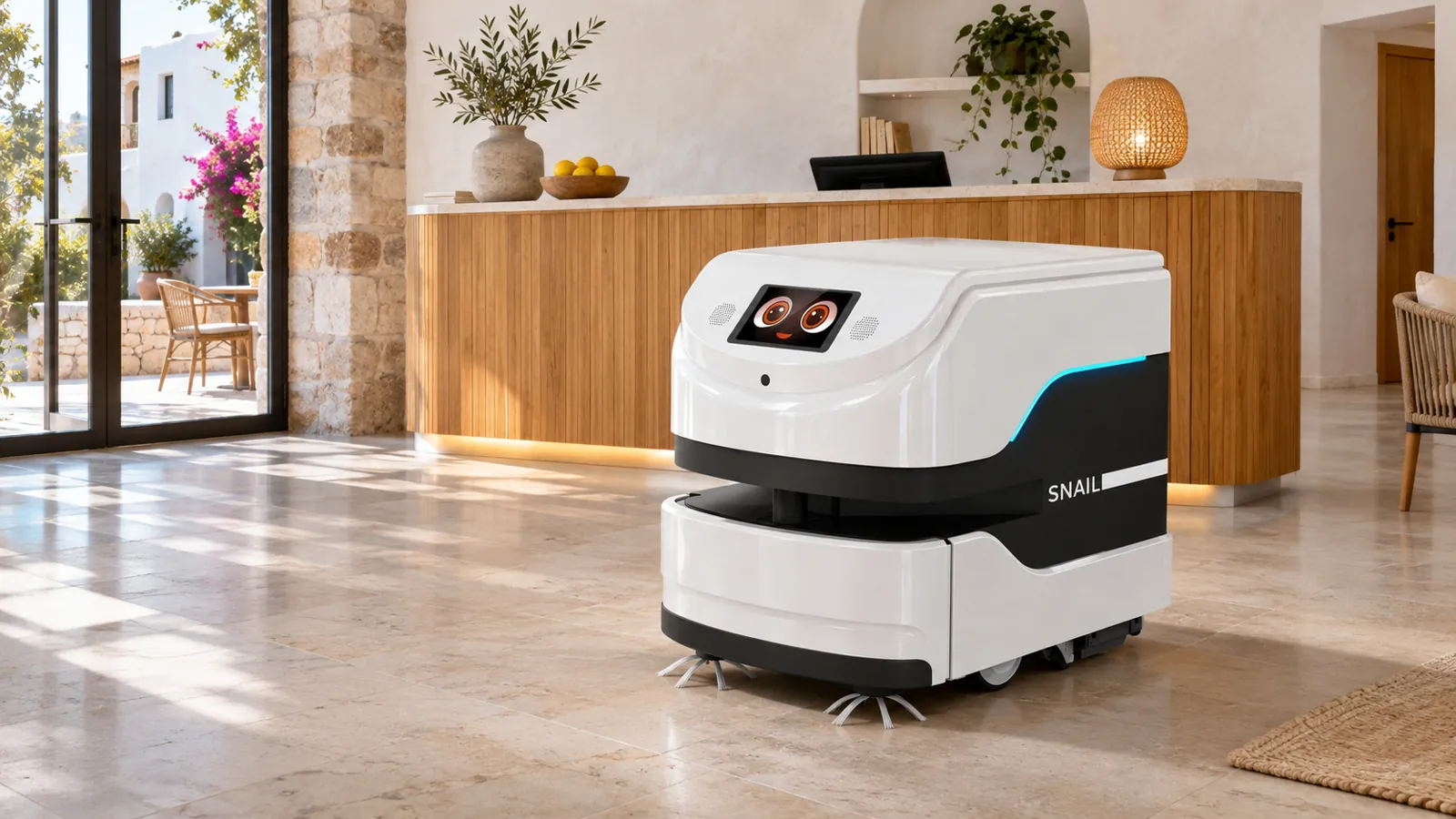
Snail uses Laser SLAM and visual navigation, supported by LiDAR and a 3D camera. SLAM stands for simultaneous localisation and mapping: the robot builds an understanding of the space and uses it to work out where it is.
For the operator, the result is a map that can be divided into cleaning areas. Routes and schedules can then be organised around the building’s needs. Obstacle detection and anti-drop features help the robot respond to its surroundings, while good setup keeps unsuitable or restricted areas outside its working route.
The listed mapping capacity is up to 40,000 m². This describes the scale of the map, not the amount of floor that will be cleaned on one battery charge. That distinction is important when comparing Snail with machines whose headline number refers to hourly output or coverage per charge.
Planning the route and the working day
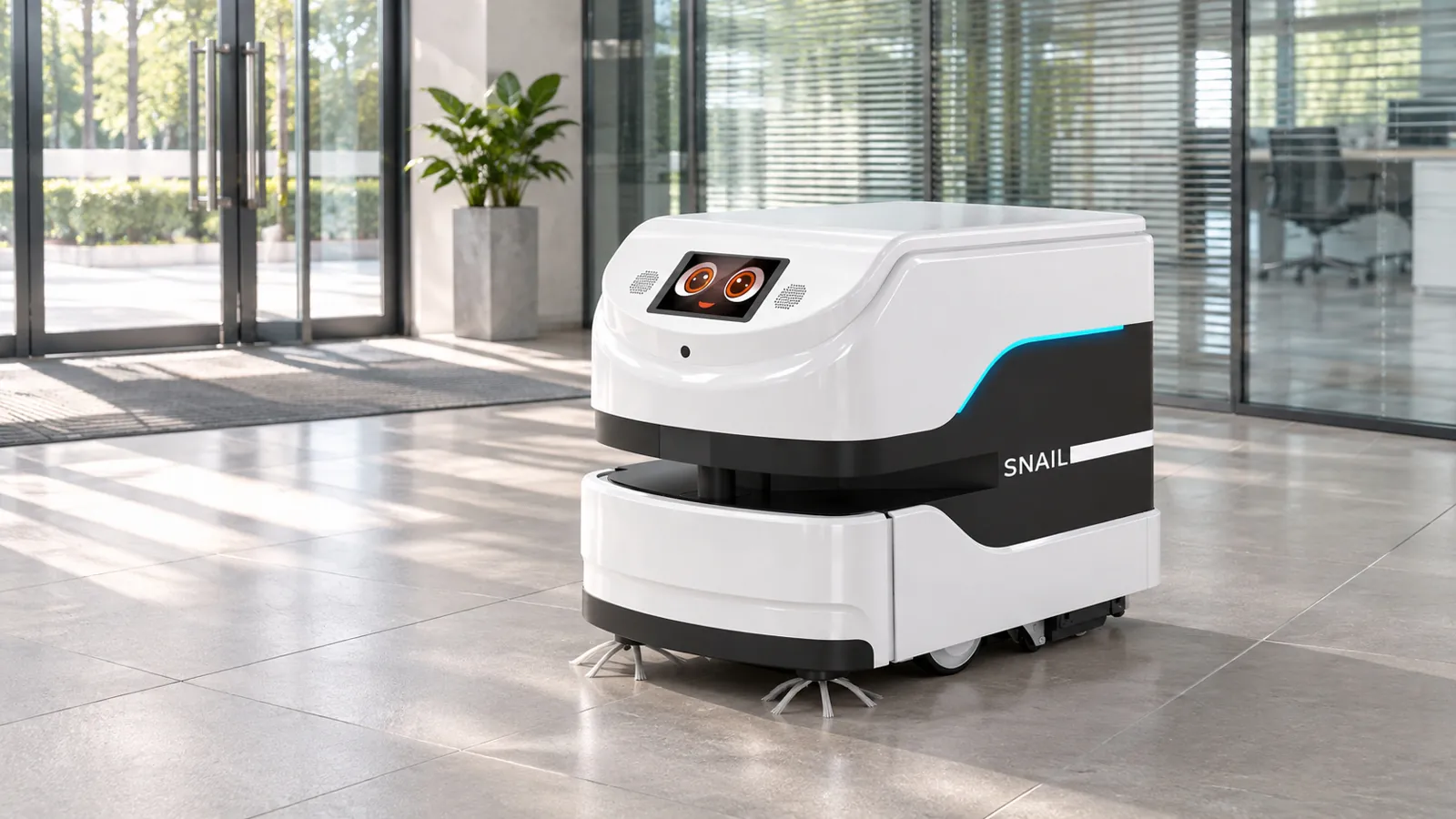
Snail has a listed minimum passing width of 900 mm. Its body measures approximately 670 × 490 × 600 mm, so there is a clear difference between physical size and operational clearance. Turning points, door approaches and the position of the dock need to be included in the assessment.
The specified battery life is approximately six to ten hours, depending on the work and conditions. Charging takes approximately six hours. The robot can return to its charging station when the configured battery threshold is reached.
For a business, the practical question is whether the schedule provides enough time for both cleaning and charging. A long runtime is useful, but it should be evaluated alongside the chosen modes, the amount of floor to cover and the next period when the machine is needed.
Multi-area tasks are supported within the same map or floor. Moving between storeys should be planned separately rather than assumed to happen automatically.
Where the staff benefit appears
Imagine a commercial building with accessible hard-floor corridors and a reception area that needs regular maintenance. Snail could perform a planned route while the cleaning team deals with washrooms, furniture and localised spills. This is an illustrative application; the exact programme would follow a site assessment.
The time benefit comes from assigning a repeatable part of the workload to the robot. Staff still prepare the route, maintain the machine and inspect the result. They gain a more predictable division of work instead of having to operate equipment for every metre of accessible floor.
Reeman Snail is most useful when its three cleaning functions match a recurring need and the building gives it a practical route. Reef Robotics can assess that fit alongside other commercial cleaning robots, then help with mapping, scheduling and team training. A well-planned routine turns a multipurpose specification into useful daily support.