Moving a pallet across a building and placing it onto a storage level are two different jobs. A transport robot may complete the first perfectly and still leave the second to an operator. When both movements are frequent, there is a case for considering equipment that combines travel with a higher lifting function.
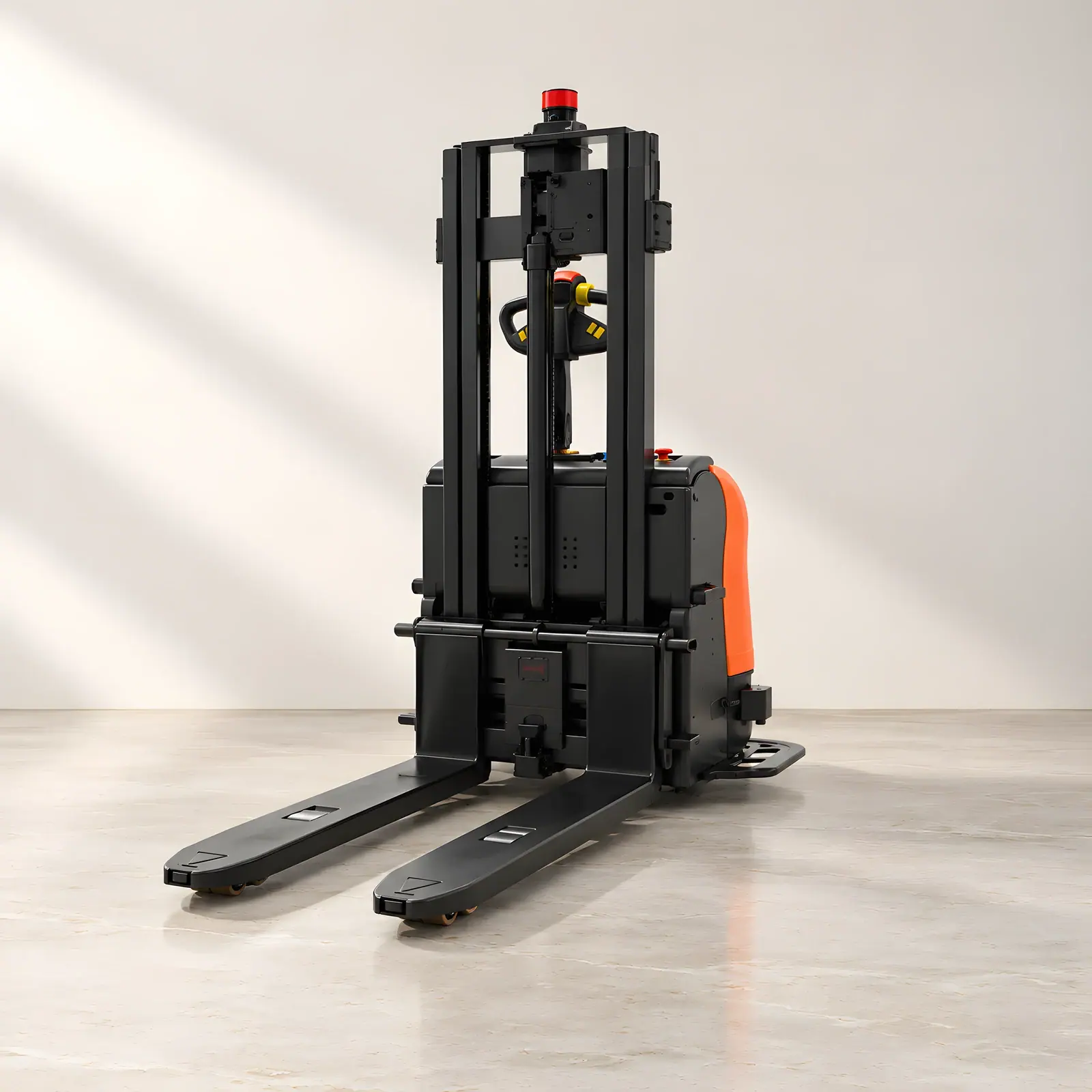
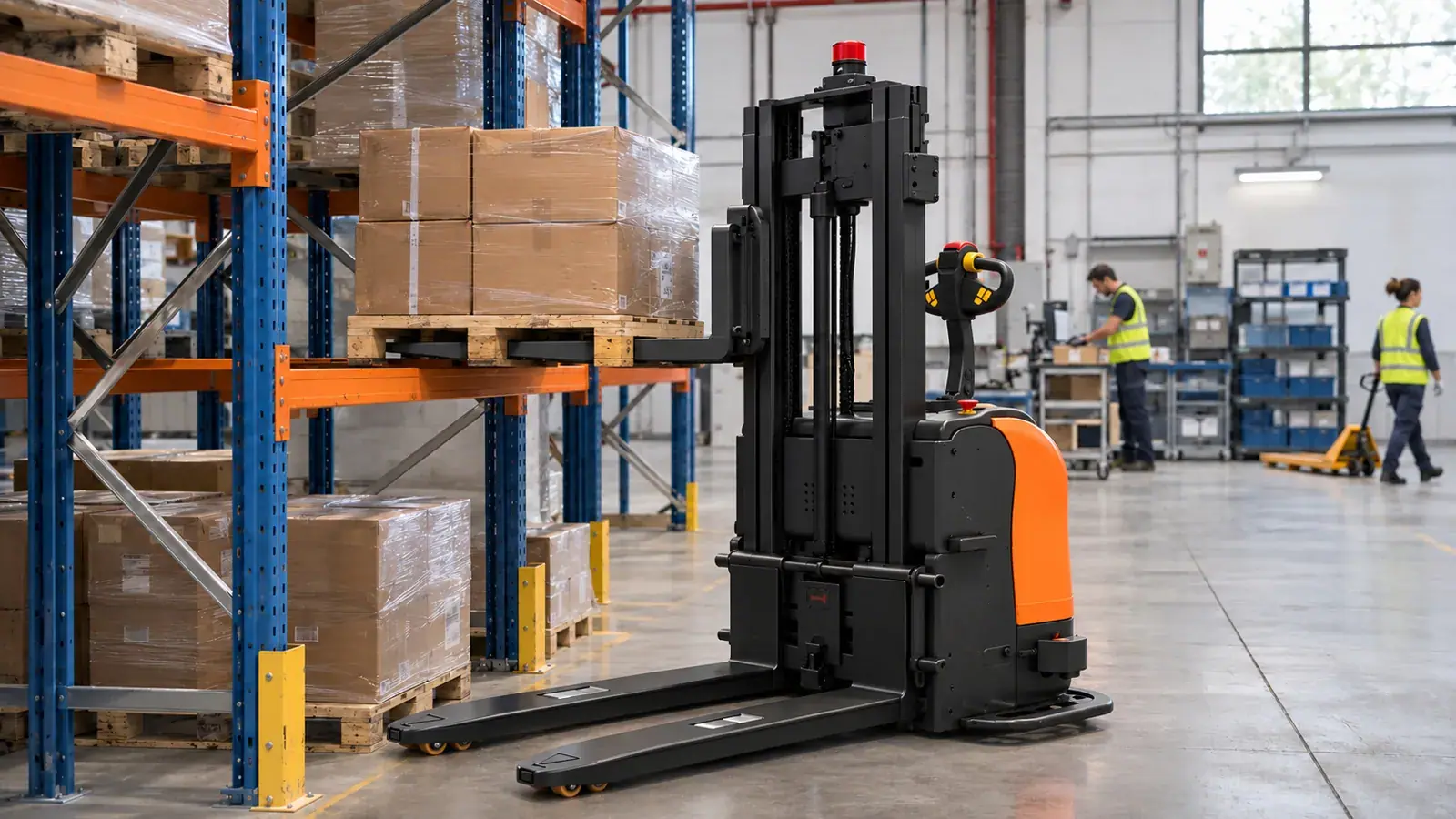
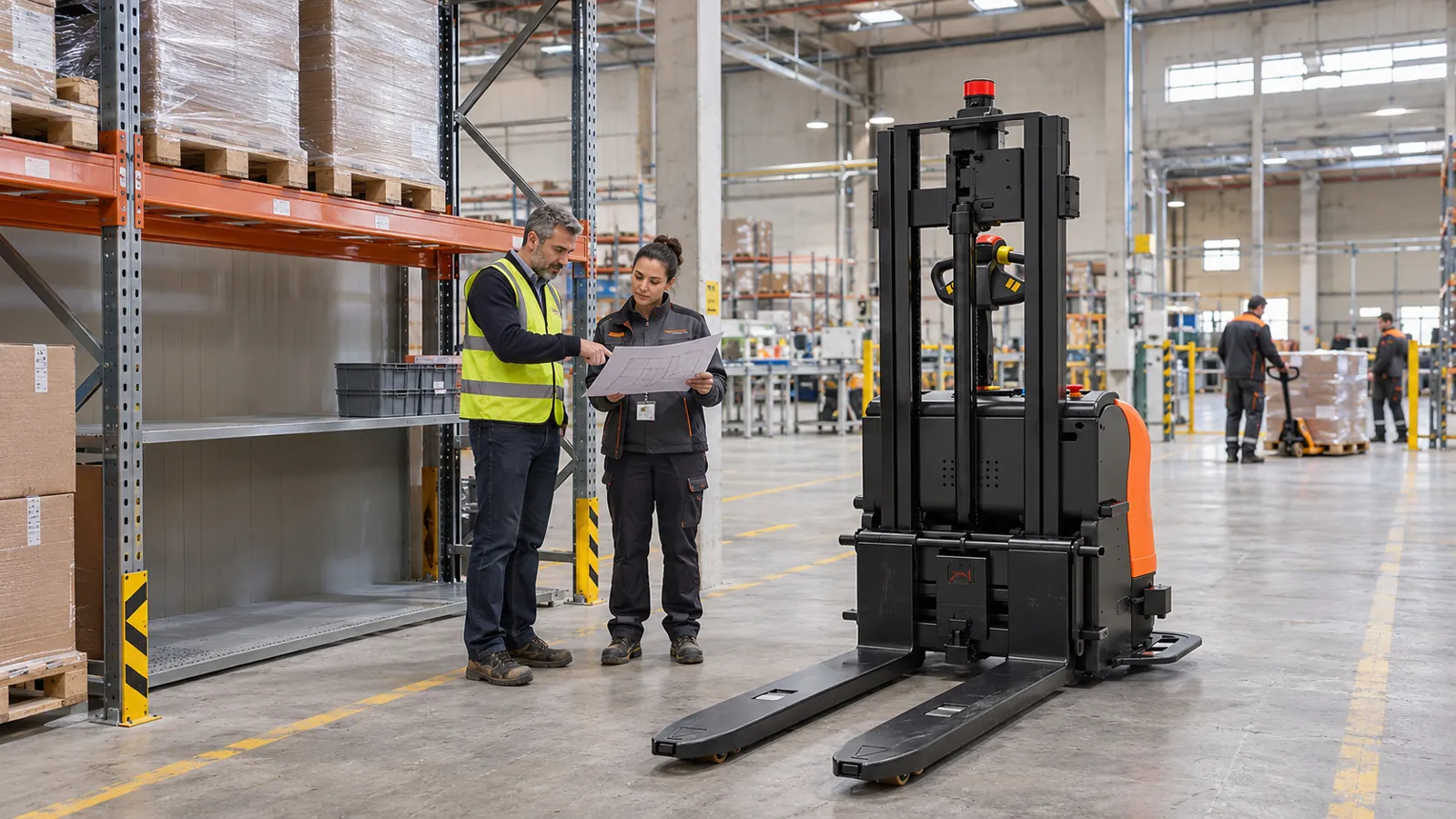
The Reeman Rhinoceros is an autonomous forklift intended for transporting, lifting and stacking palletised goods. Its listed maximum payload is 1,500 kg and its maximum lifting height is 2,585 mm. These specifications put it in a different application class from a low-lift platform carrying containers around a factory floor.
Where Reeman Rhinoceros adds a useful capability
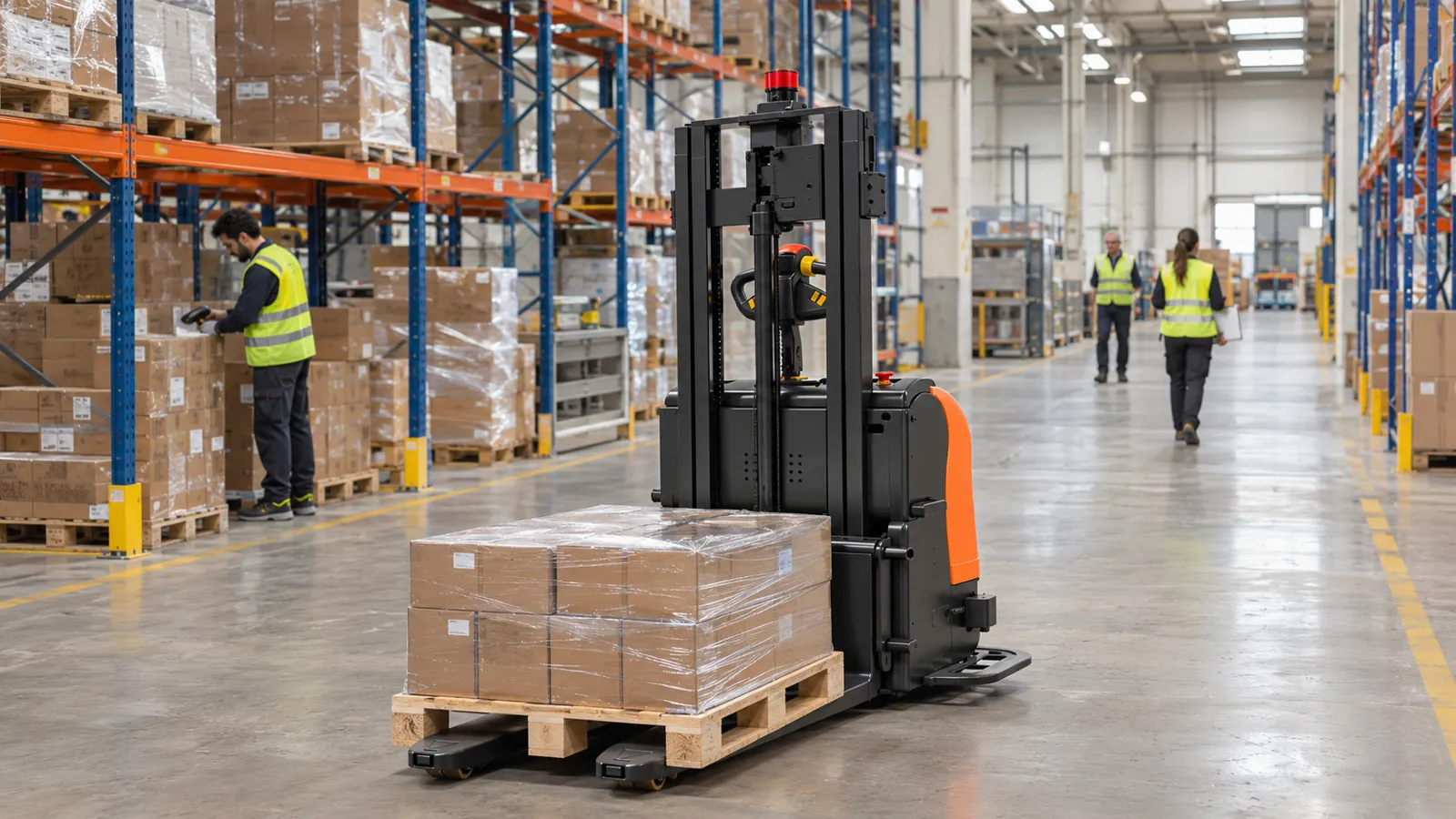
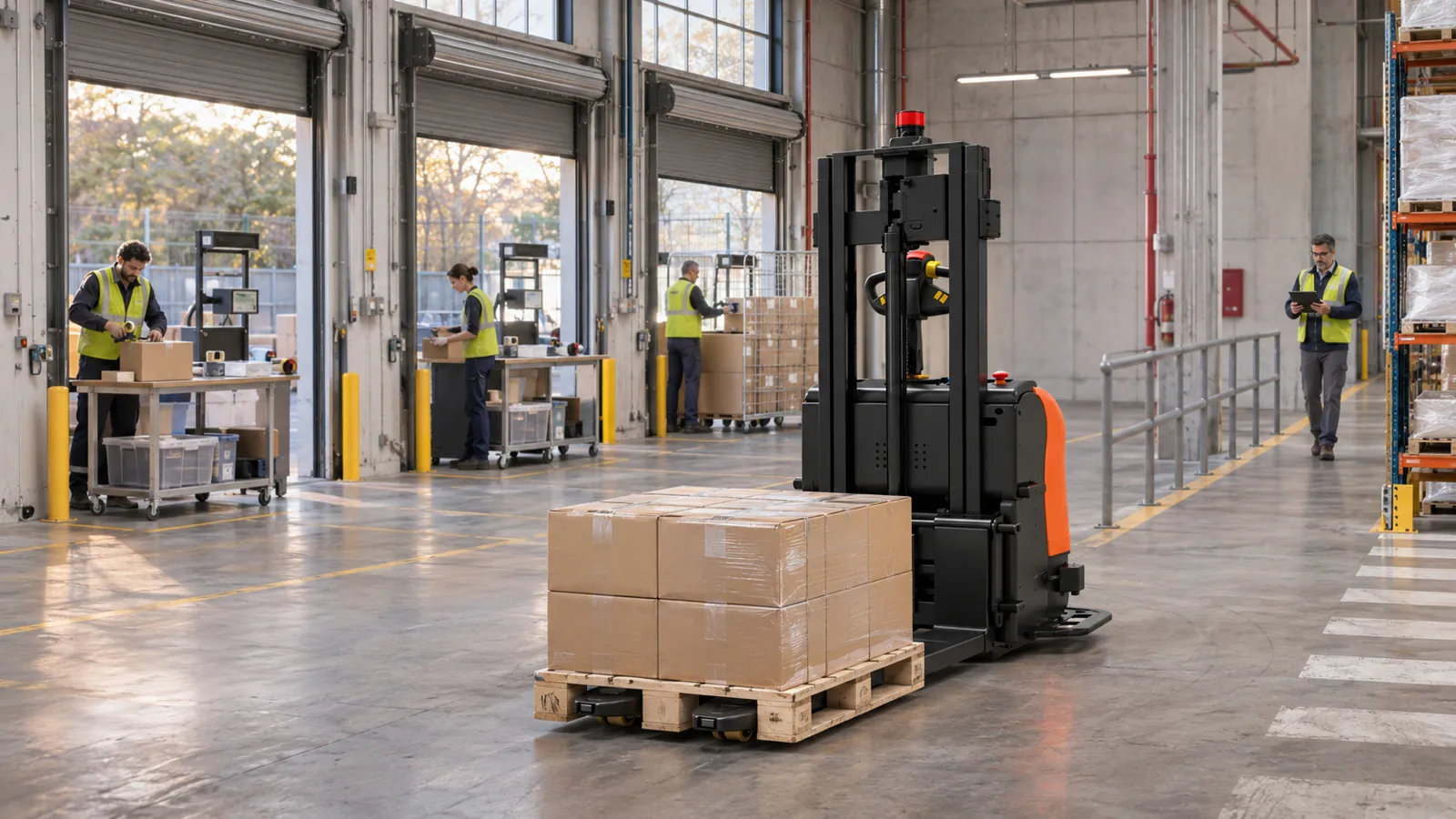
An illustrative workflow might take an approved pallet from an indoor receiving position to a suitable storage location, then retrieve it later for production. Automating the journey and placement can reduce the number of routine movements that require a driver throughout the cycle.
The potential is strongest when pallet formats, loads and destinations are reasonably consistent. A warehouse handling many damaged pallets, unpredictable overhangs or constantly changing storage arrangements will need to address those conditions as part of the project.
Autonomous stacking is also a more demanding application than driving between two marked areas. The robot must approach the destination correctly, handle the load within its rated limits and complete placement without conflicting with surrounding structures or traffic.
Understand lifting height in the context of your racking
A 2,585 mm maximum lift can serve appropriate elevated storage positions, but it does not cover every warehouse rack. Measure the required fork height for the actual load placement, including the clearance needed to enter and leave the position.
The listed maximum mast height during operation is 3,050 mm. Overhead services, beams and doorways therefore belong in the assessment alongside the rack itself. A route may allow the truck to travel while still lacking the clearance needed at the lifting destination.
Reeman Rhinoceros has a specified load centre of 500 mm. In simple terms, load centre describes how far the load's centre of gravity sits from the fork face. Bulky goods can place weight further out, changing the lifting conditions. Confirm the permitted load at the required height and load centre using the exact unit's rated information; the headline maximum is not a universal allowance for every pallet shape.
Check the pallet approach, not just the corridor
Reef Robotics lists approximate working aisle widths of 2,100 mm for an 800 × 1,200 mm pallet and 2,200 mm for a 1,000 × 1,200 mm pallet. These figures need to be checked against the actual handling arrangement, load and required clearances.
The approximately 1.6 m minimum navigation lane is a different measurement. Being able to travel through a lane does not mean the robot can turn and pick up a pallet within the same space. This distinction is easy to miss when selecting equipment from a specification table.
Pallet condition also matters. Broken boards, unsuitable fork openings and unstable loads can compromise a task regardless of navigation quality. Standard pickup locations and a consistent pallet acceptance process help the automation work as intended.
Autonomous movement with a defined operating plan
Rhinoceros combines Laser SLAM navigation with LiDAR, dual 3D cameras and additional sensors. It supports automatic charging and centralised fleet dispatch. These capabilities provide the basis for autonomous pallet movements without magnetic strips or floor QR markers.
The operating plan must still define who releases a task, how a location is assigned and what happens if that location is unavailable. Connecting the robot to warehouse software can support those decisions, but the integration scope needs to be agreed and tested.
For a first deployment, one pallet type and a limited group of storage positions provide a manageable test. Measure completed cycles, placement success, employee interventions and the effect on neighbouring traffic. Expand only after the initial process behaves consistently during normal operations.
Discuss the complete application with Reef Robotics
Reeman Rhinoceros is priced on request, and the final cost depends on the configuration and deployment scope. Pricing can change, so an individual proposal is the appropriate basis for budgeting.
Reef Robotics supports warehouse automation projects in Cyprus, helping businesses assess equipment against their actual material flow. Within our robotic forklifts and warehouse robots, Rhinoceros is relevant when elevated pallet placement forms part of the job. Send us your pallet dimensions, load weights, rack heights and aisle plan so that the recommendation covers the full handling cycle.