
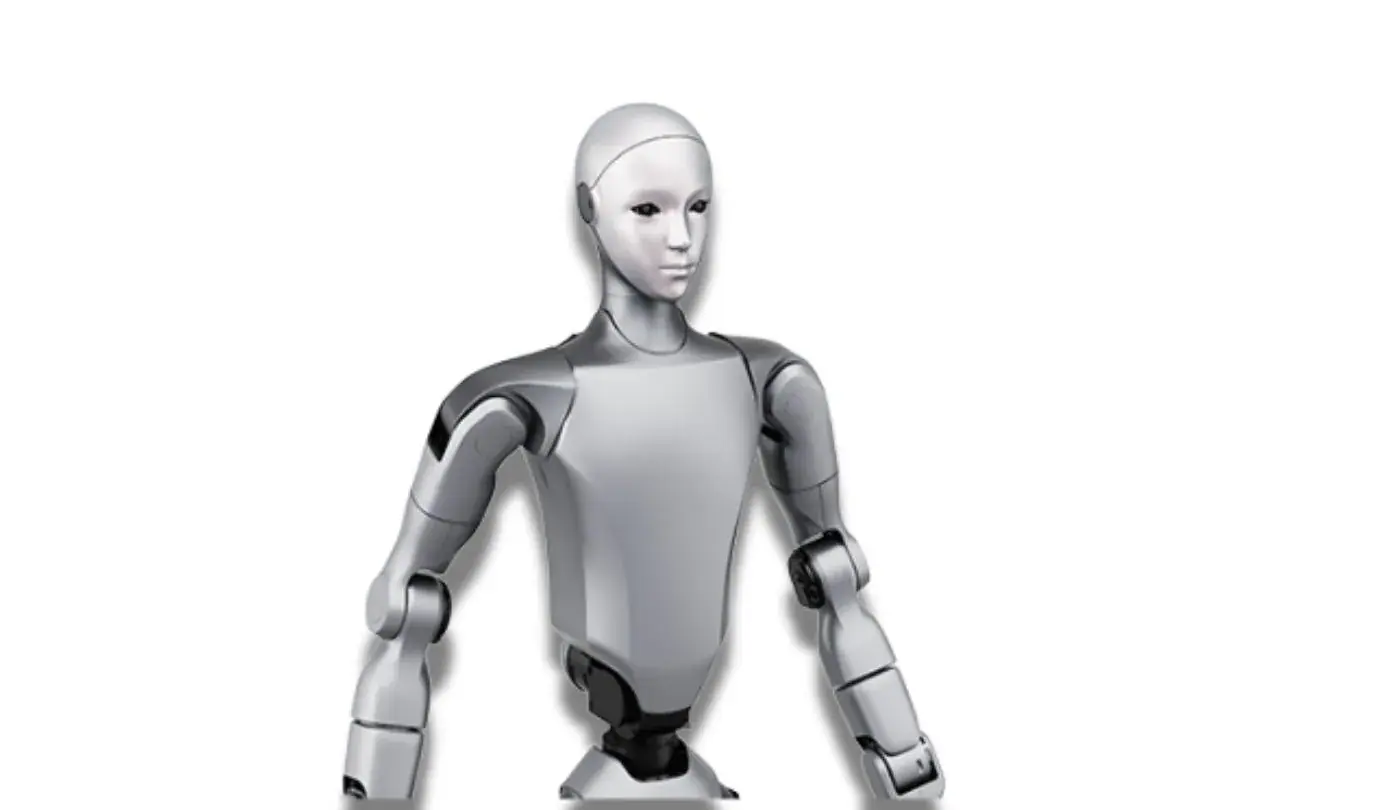
Humanoid robots attract attention immediately. They look futuristic, they photograph well, and they create strong reactions at events, hotels, and technology exhibitions. For hospitality brands, this is tempting. A humanoid robot in a lobby or restaurant can make a venue look innovative within seconds. But there is a more important question: does it actually improve operations?
In the context of humanoid robot hospitality, the answer is not always simple. Humanoid robots may become important in the future, but for many businesses today, specialized robots are often more practical, more affordable, and easier to justify.
The Appeal of Humanoid Robots
The biggest advantage of humanoid robots is emotional impact. People naturally react to machines that look or move like humans. Guests take photos, children stop and watch, and brands get attention. For hotels, exhibitions, and premium venues, this can be valuable from a marketing perspective.
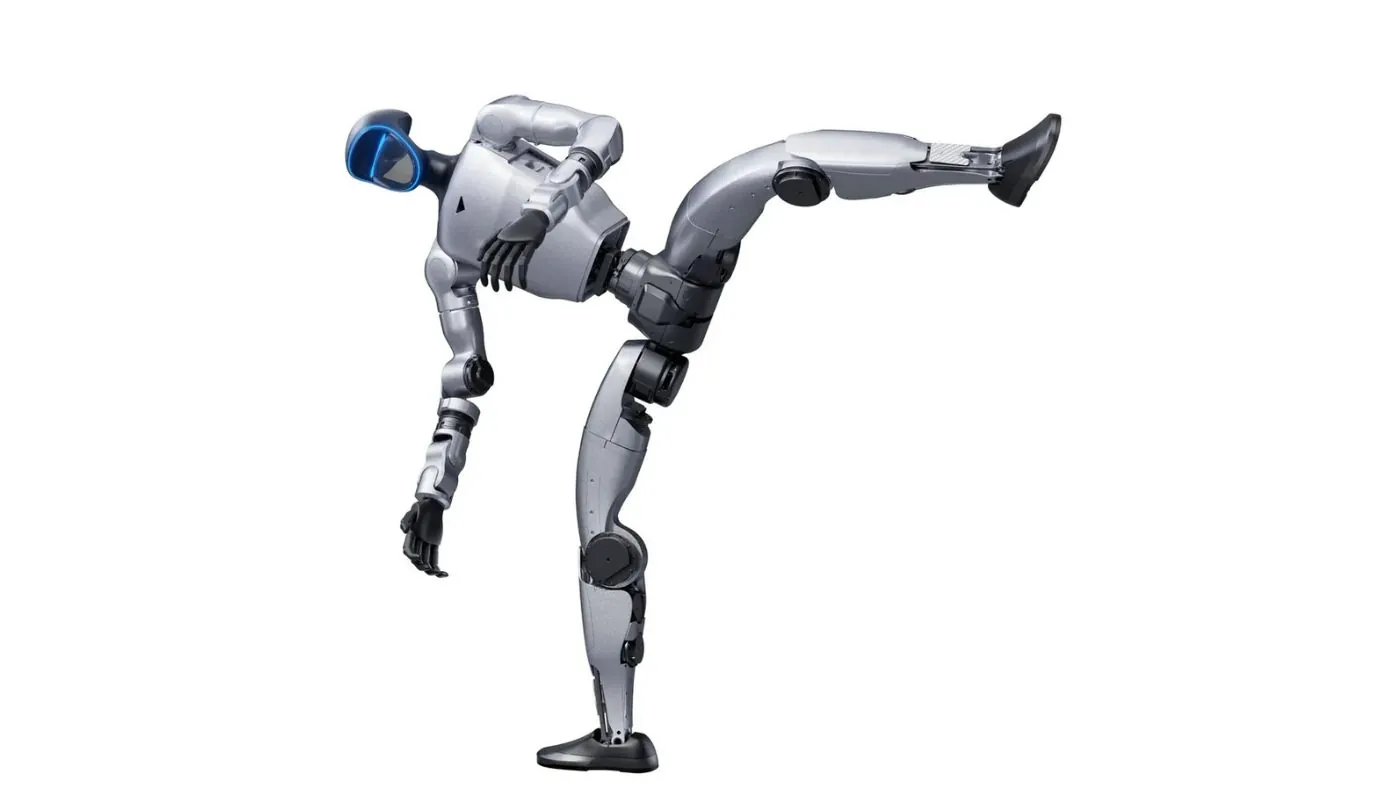
A humanoid robot can support reception, answer simple questions, greet guests, or act as an interactive attraction. In some environments, especially technology-focused events, that may be exactly the goal. If the purpose is visibility, PR, or brand positioning, humanoids can make sense. The problem starts when owners expect them to solve everyday operational issues.
Wow Effect vs Real ROI
Hospitality businesses do not operate on attention alone. Restaurants, hotels, and venues need tools that reduce workload, improve service flow, save time, and support staff during busy hours. This is where the difference between “wow effect” and real ROI becomes clear.
A humanoid robot may impress visitors, but it often does not carry heavy loads, clean floors, move goods, or support restaurant service as efficiently as a specialized robot. In many cases, a restaurant service robot, cleaning robot, or warehouse robot delivers more measurable value because it is designed for one specific job.
That does not make humanoids useless. It simply means they should be evaluated honestly. Are you buying a practical business tool, or are you buying a high-impact attraction?
Both can be valid, but they are not the same decision.
Why Specialized Robots Often Make More Sense Today
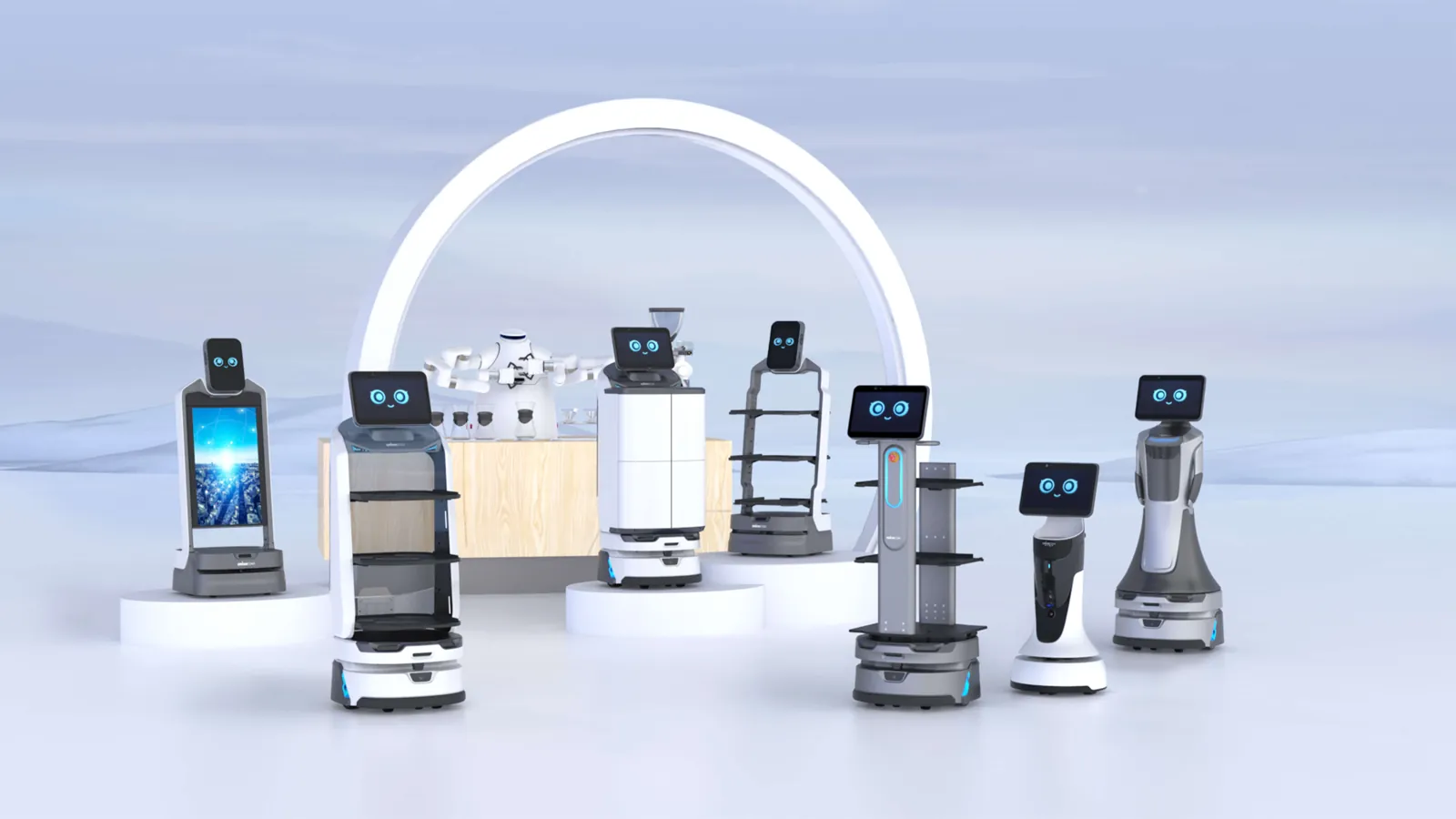
For most hospitality operators, specialized robots are currently the stronger starting point. A waiter robot can deliver food, return dishes, and support the team during peak service. A cleaning robot can vacuum and mop large areas according to schedule. A warehouse robot can transport goods between storage, kitchen, service areas, or back-of-house spaces.
These robots may look less spectacular than humanoids, but they solve clear operational problems. They reduce repetitive tasks, save staff time, and improve consistency. They are also easier to train, easier to integrate, and often easier to calculate in terms of return on investment.
In hospitality, the best technology is not always the most futuristic. It is the technology that fits the workflow.
Where Humanoid Robots Could Work
There are still situations where humanoid robots may be a good fit. Hotel lobbies, VIP events, exhibitions, technology conferences, brand activations, and entertainment-focused venues are the most obvious examples. In these environments, the robot’s role is less about operational efficiency and more about interaction, storytelling, and guest engagement.
A humanoid robot could welcome guests, answer basic questions, guide visitors to an area, or become part of a marketing campaign. But even then, it should be treated as part of a broader experience, not as a full replacement for trained hospitality staff.
Human service remains essential. The robot can support the experience, but it cannot manage emotions, solve complex guest problems, or create genuine hospitality on its own.
A Practical Way to Think About It
Before investing in a humanoid robot, owners should ask one simple question: what problem should this robot solve?
If the goal is to attract attention, create PR value, and make a venue look innovative, a humanoid robot may be worth considering. If the goal is to reduce staff walking, improve cleaning efficiency, move goods, or support daily service, a specialized robot will usually be the smarter first step.
For many businesses in Cyprus, the practical path is clear: start with robots that solve visible operational problems, then consider humanoids later as part of a premium branding or guest experience strategy.
Choosing the Right Robot
Humanoid robots are exciting, and they may play a bigger role in hospitality over the next few years. But today, they should be approached carefully. They are not always the best answer to operational pressure.
At Reef Robotics, we help businesses choose the right robot for the actual need — whether that means a restaurant robot, cleaning robot, warehouse robot, event robot, or, in selected cases, a humanoid solution.
Contact Reef Robotics to discuss your goals, and we will help you choose the robot that best fits your business, venue, and expectations.
