Cleaning robots can look very different depending on where they are used. The simplest versions are already familiar to many people. A lot of us have seen small robot vacuum cleaners at home or in offices. The early leader in this category was iRobot Roomba, and today many other brands offer similar products, including Dreame, Xiaomi, Roborock, Ecovacs, Eufy, and others. Basic consumer models are relatively accessible, and some entry-level robot vacuums in Europe can be found around the €150–€200 range, depending on brand, retailer, and promotion.
These small robots are useful at home. They can vacuum, sometimes mop, return to their dock, and clean on a schedule. But commercial cleaning is a different category. Offices, hotels, shops, shopping malls, schools, and lobbies need stronger machines, bigger tanks, better navigation, and more durable components.
From Home Robot to Commercial Cleaning Robot
The basic principle is similar. First, the robot creates a map of the space. This may be an office, hotel lobby, restaurant, shop, corridor, or other commercial area. Then the operator defines cleaning zones, schedules, and routes. The robot uses its sensors to move autonomously, avoid obstacles, and clean according to the selected plan.
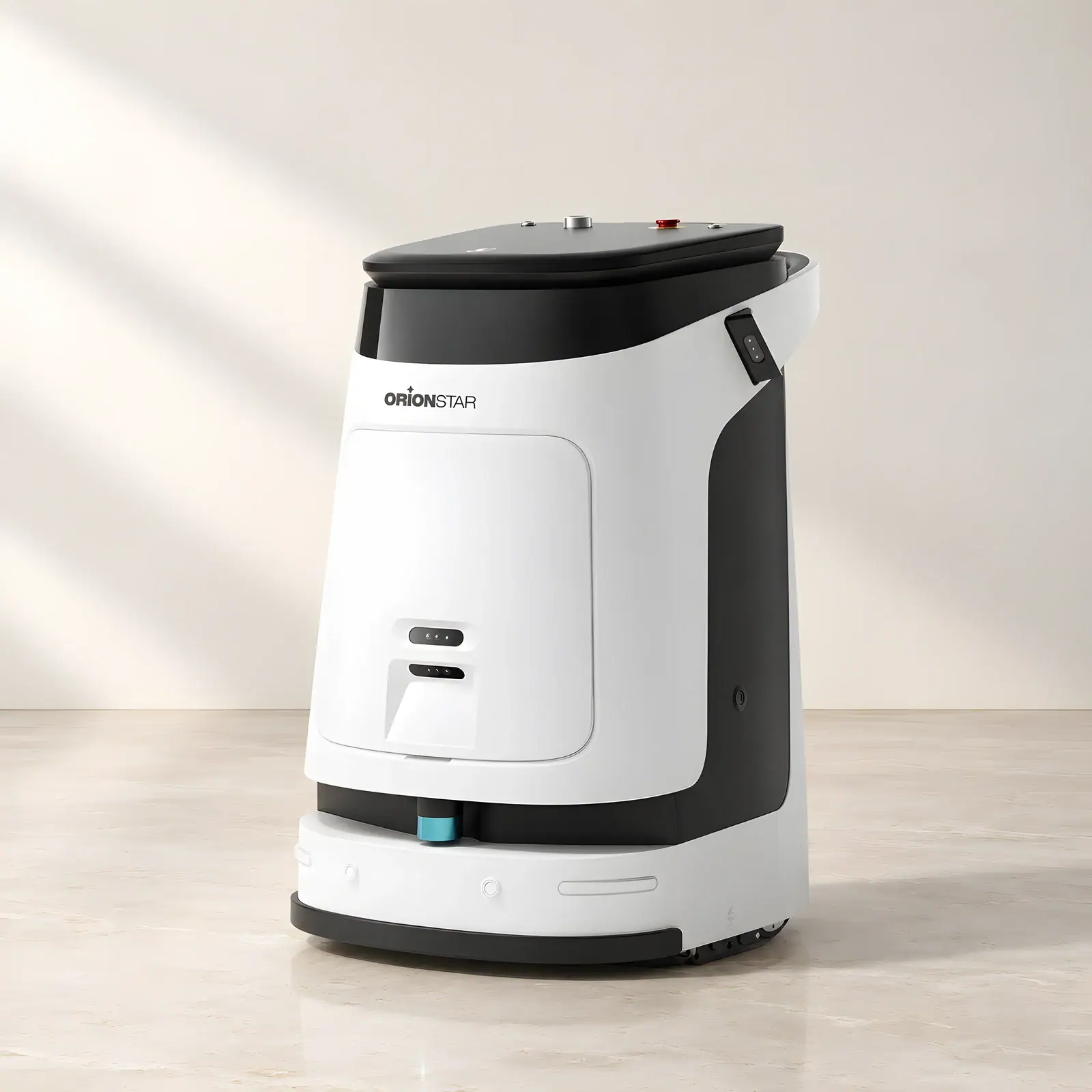
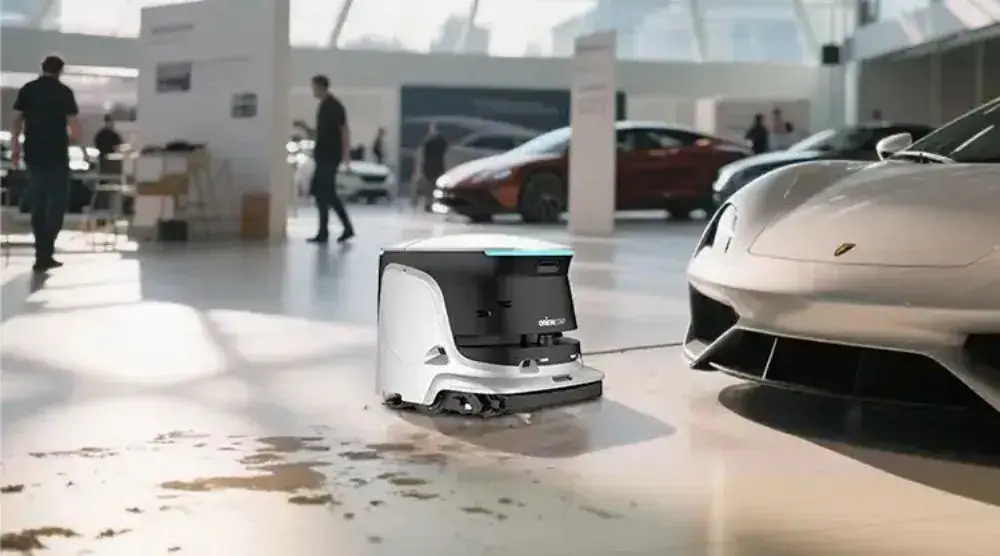
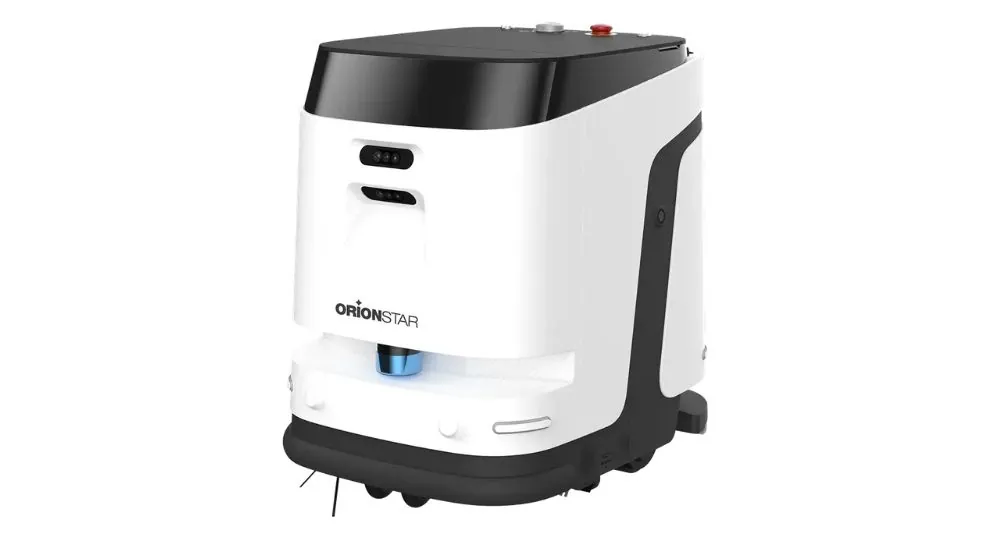
The difference is scale and effectiveness. A professional cleaning robot is designed for daily commercial use. It is larger, stronger, and built to clean bigger areas more consistently. OrionStar’s CleaniBot M1, for example, is described as a fully autonomous cleaning robot for commercial environments, combining scrubbing, sweeping, and dust mopping in one system. Its docking setup can support charging, clean-water refilling, and wastewater drainage.
In practice, this means the robot can clean floors, tiles, panels, hard surfaces, and selected commercial flooring types much more effectively than a small home robot. Some models can also work with carpets or mixed surface environments, depending on configuration.
The Main Benefits of Large Cleaning Robots
The biggest advantage is automation. Once the map and schedule are ready, the robot can clean without constant supervision. Staff do not need to manually push equipment through the same routes every day. Instead, they check that the robot is working correctly and perform basic maintenance when needed.
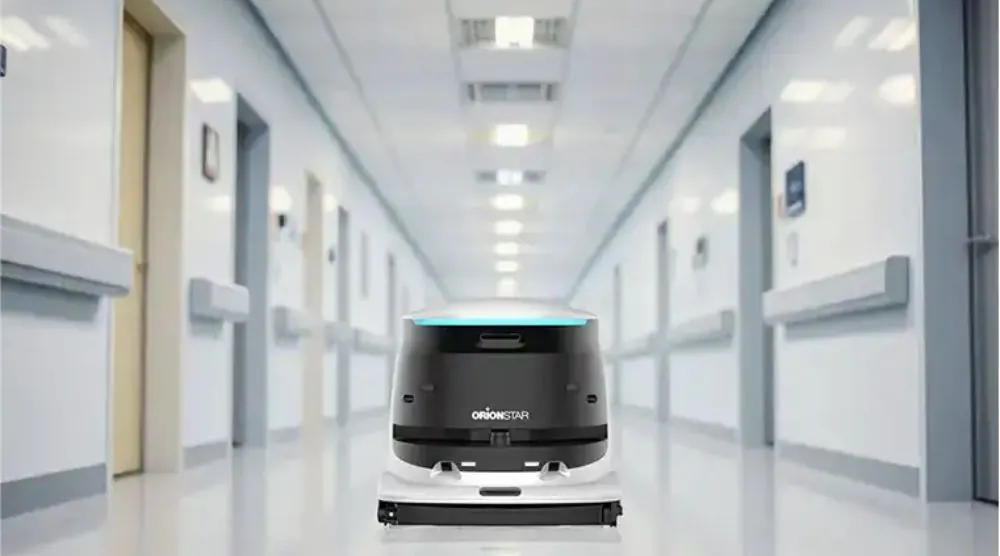
Professional cleaning robots also offer stronger cleaning performance. They can vacuum and mop at the same time, use larger brushes, manage water more effectively, and cover large areas with consistent pressure and movement. OrionStar states that CleaniBot systems are designed for hotels, supermarkets, and other high-traffic spaces, with automated workflows and multiple cleaning modes.
Another important benefit is autonomy. A commercial cleaning robot can move around people and objects, return to charge, and continue working according to schedule. The CleaniBot M1 specification includes auto recharge, Wi-Fi/4G connectivity, water station support, and up to 8 hours of dust mopping operation, depending on cleaning mode.
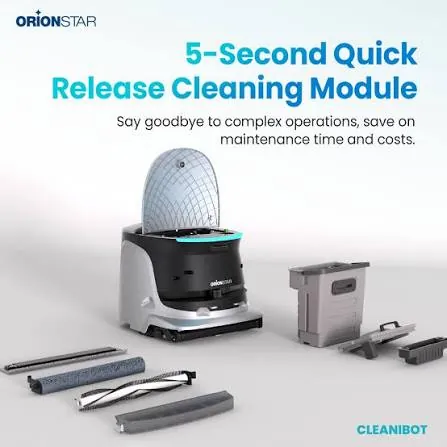
The base station is especially useful. In selected models, it can charge the robot, refill clean water, and drain wastewater. This reduces daily manual work significantly. For many businesses, human involvement may be limited to quick checks, brush cleaning, and basic inspection — often around 10–20 minutes per day, or less frequently in lighter-use spaces.
Better Cleaning and Better Image
A cleaning robot is also visible to guests and visitors. In a hotel, restaurant, office, or shopping mall, it shows that the business is modern and open to new technology. It becomes not only a cleaning tool, but also part of the brand image.
There is also an environmental angle. Because commercial robots manage water and cleaning routes more precisely, they can help reduce unnecessary water use compared with inefficient manual cleaning. They clean in a controlled and repeatable way, which supports better resource management.
Will Cleaning Robots Replace People?
No. That is not the idea.
Cleaning robots, like service robots, are designed to support teams, not replace them completely. They take over the most repetitive and physically demanding parts of the job: long floor-cleaning routes, mopping, vacuuming, and routine surface maintenance.
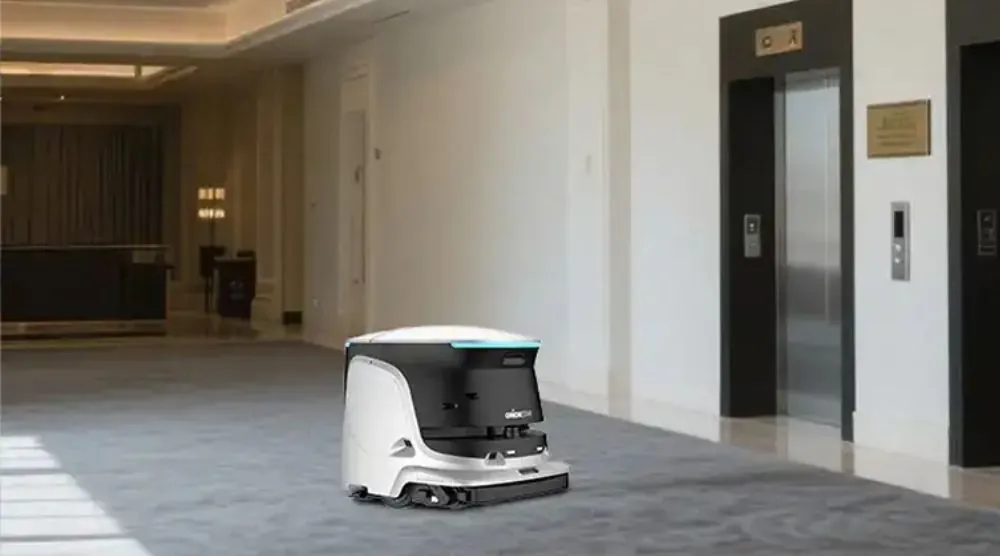
People still manage details. They inspect results, clean difficult corners, handle delicate areas, maintain hygiene standards, and focus on guest-facing tasks. The robot reduces the physical burden and gives staff more time for work that requires attention and judgment.
This improves the work experience. Less repetitive strain, better organization, and more predictable routines all support a healthier work-life balance for the team.