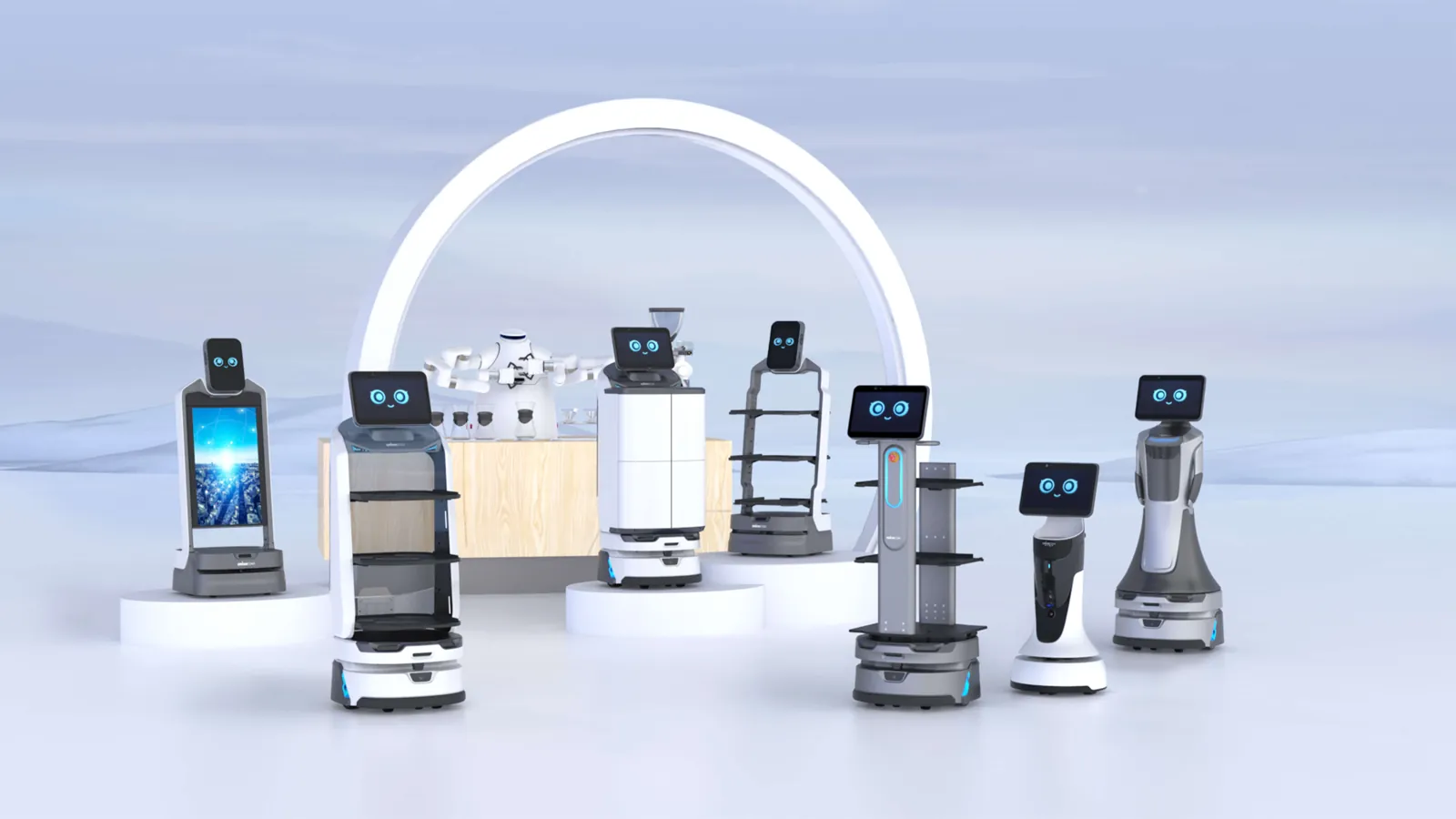
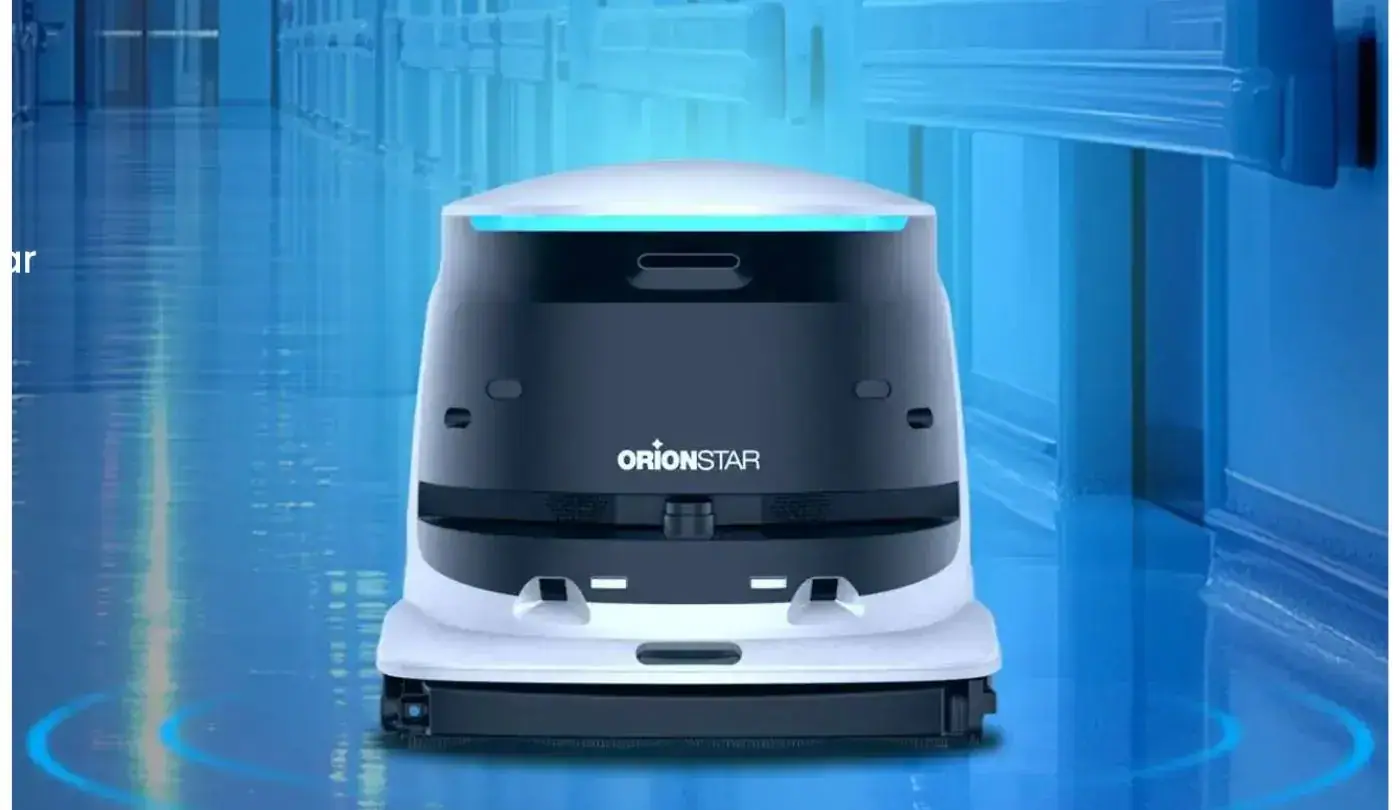
Cleaning large spaces is one of those tasks that never really ends. Offices, hotels, restaurants, shopping malls, showrooms, and event venues all need regular floor maintenance. The challenge is not only keeping the space clean. The challenge is doing it consistently without overloading the team.
This is why more businesses are looking at a commercial cleaning robot as an alternative or support tool for manual cleaning. The question is simple: what actually saves more time?
Manual Cleaning Works – But It Depends on People
Manual cleaning is flexible. A person can notice details, clean corners, react to unexpected mess, and make judgment calls. That is why cleaning teams remain important.
But manual cleaning also has limits. Large floor areas take time. Repetitive mopping and vacuuming are physically demanding. Quality can vary depending on fatigue, workload, shift timing, and how busy the space is.
In a hotel lobby, office corridor, or shopping mall, the same areas may need attention several times per day. If the team is busy elsewhere, floors may only be cleaned when the problem becomes visible. That creates inconsistency.
What a Commercial Cleaning Robot Does Differently
A commercial cleaning robot is designed for repeatable floor cleaning. Once the space is mapped and a schedule is created, the robot can clean selected zones automatically. It can vacuum, mop, scrub, or perform other cleaning modes depending on the model and surface type.
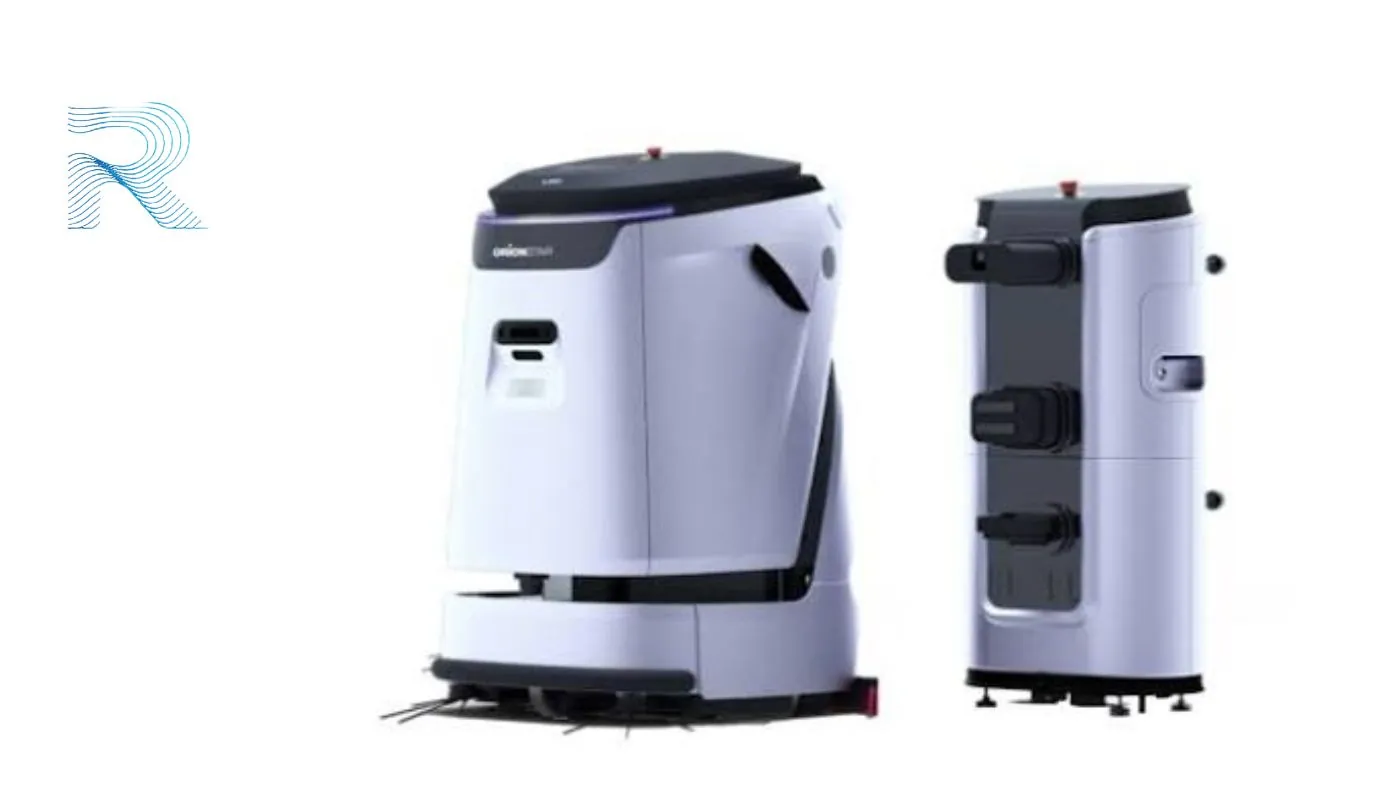
This is where time savings begin. The robot does not need constant supervision. Staff prepare it, check it, and perform basic maintenance, but they do not need to manually push equipment through the same routes every day.
For large open areas, this can make a major difference. A robot can work in the background while the team focuses on higher-value tasks: detailed cleaning, restrooms, glass, furniture, guest areas, inspections, and hygiene-sensitive zones.
Consistency Is the Real Advantage
The biggest difference between manual cleaning and robotic cleaning is not only speed. It is consistency.
A robot follows the same plan every time. It does not skip a corridor because the shift is busy. It does not clean one area carefully and rush another because time is running out. If the route and schedule are planned properly, the result becomes predictable.
That is valuable in offices, hotels, and shopping malls, where clean floors affect how visitors perceive the whole business. A space that looks consistently maintained feels more professional.
Where Robots Save the Most Time
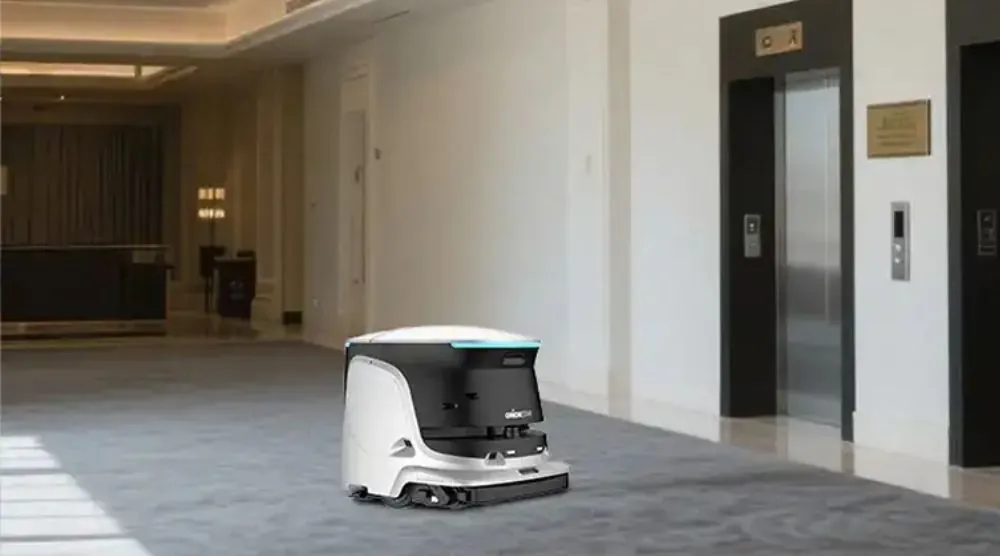
Commercial cleaning robots are most useful in larger spaces with repetitive floor-cleaning needs. This includes office floors, hotel lobbies, corridors, banquet areas, shopping mall walkways, supermarkets, schools, and commercial halls.
They are less useful when the space is very small, extremely cluttered, or constantly changing. In those cases, manual work may still be more practical. But where there are clear routes, large surfaces, and regular cleaning schedules, robots become very efficient.
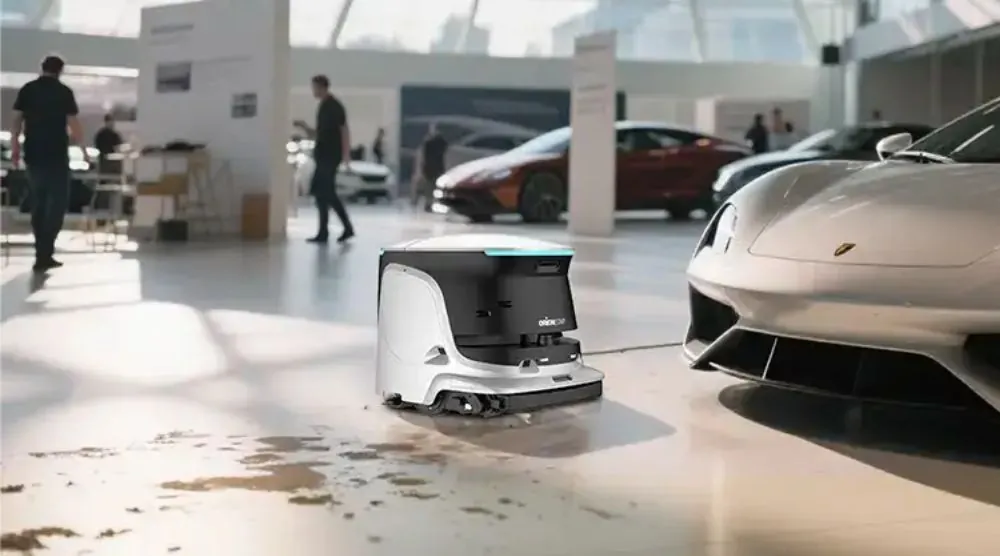
A good example is a hotel lobby. Instead of waiting until late evening for a full clean, the robot can maintain the floor during quieter periods. In an office, it can clean before staff arrive or after working hours. In a shopping mall, it can support large corridor cleaning while human staff handle details and spot cleaning.
Reducing Staff Pressure
A commercial cleaning robot does not remove the need for people. It changes how people spend their time.
Instead of doing the most repetitive floor work manually, staff can focus on tasks that require judgment and attention. This reduces physical strain and can improve the daily working experience. For many teams, that matters as much as the time saved.
Cleaning is hard work. Automating the most repetitive part of it can make the job more sustainable.
Scheduled Cleaning Changes the Workflow
One of the strongest benefits of robotic cleaning is scheduling. The robot can be programmed to clean specific areas at specific times. This makes cleaning less reactive and more planned.
For businesses, that means better control. Managers know which areas are cleaned, when they are cleaned, and how often. In some systems, performance data can also be reviewed, making cleaning easier to manage. Manual cleaning often depends on availability. Robotic cleaning creates a routine.

Which Option Is Better?
The best answer is usually not “robot or people”. It is robot plus people.
Manual cleaning is still needed for details, complex areas, deep cleaning, and quality control. A commercial cleaning robot is best used for repeated floor cleaning over larger areas. Together, they create a stronger system than either one alone.
For hotels, offices, malls, and commercial spaces in Cyprus, this approach can save time, reduce workload, and improve consistency.
A Smarter Cleaning Model
If your team spends many hours every week vacuuming, mopping, or scrubbing the same floor areas, it may be time to review the workflow. A commercial cleaning robot can automate the repetitive part and let your staff focus on the work that really needs human attention.
Contact Reef Robotics to explore commercial cleaning robots for offices, hotels, shopping malls, and large venues in Cyprus.