
Before comparing humanoid robots, finish this sentence: “We will use the robot to…”
The answer should describe something observable. Attract visitors to a stand. Demonstrate bipedal movement to students. Give a research team access to a programmable physical platform. A clear purpose turns an exciting purchase into a decision you can evaluate.
Without it, specifications can become a distraction. More joints, more processing power and more options only help if they support the work you intend to do.
Define the first three months
Write down where the robot will be used, who will operate it and what success would look like during its first three months. A marketing team might plan several exhibition appearances and a set of promotional videos. A university might define one supervised teaching project and a shared booking process for the laboratory.
This exercise reveals requirements that a product photograph cannot answer. Regular travel creates transport needs. Public demonstrations require preparation and trained operators. Student programming requires the correct development access.
It also helps you avoid buying for a distant possibility while overlooking the immediate job.
Match the version to the kind of work
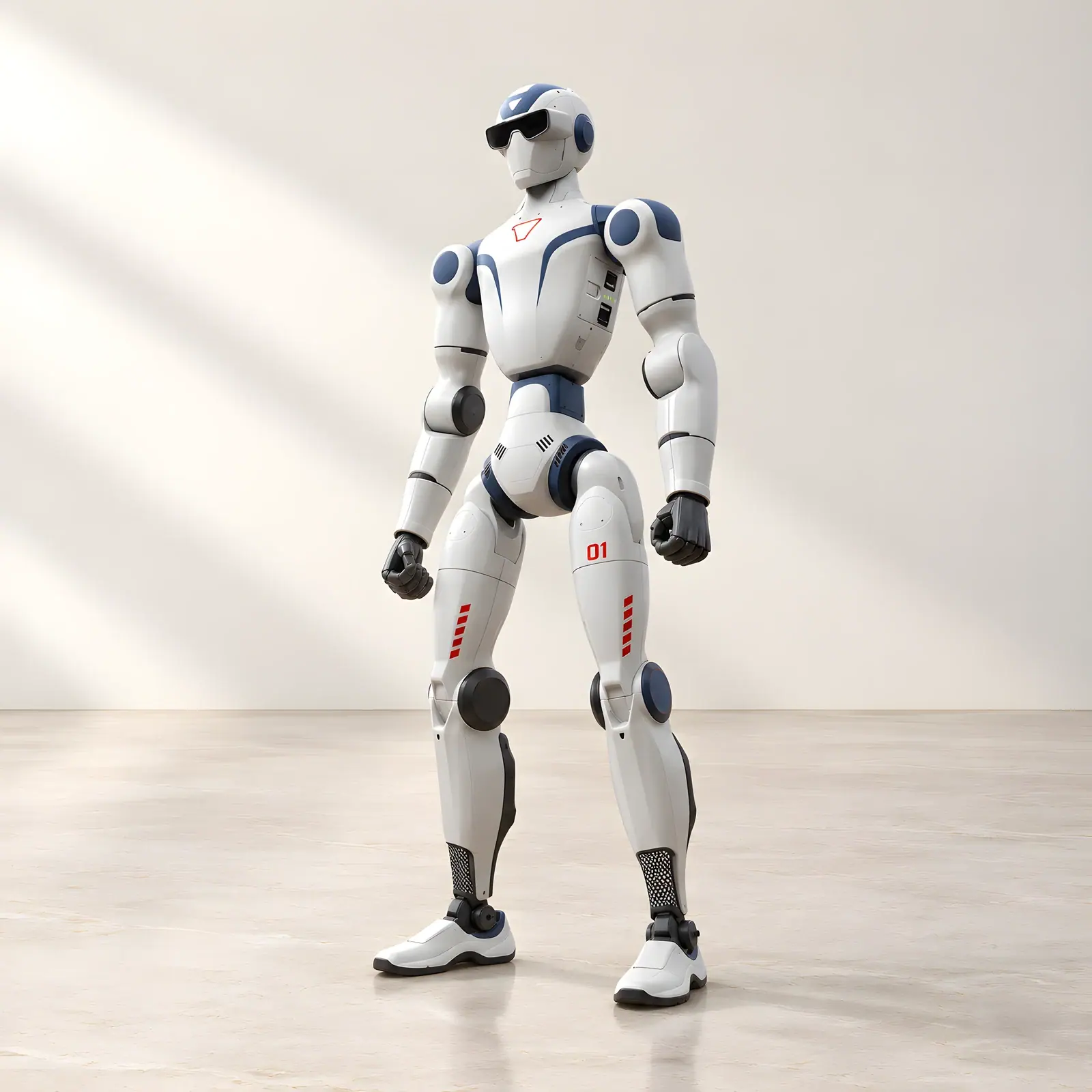
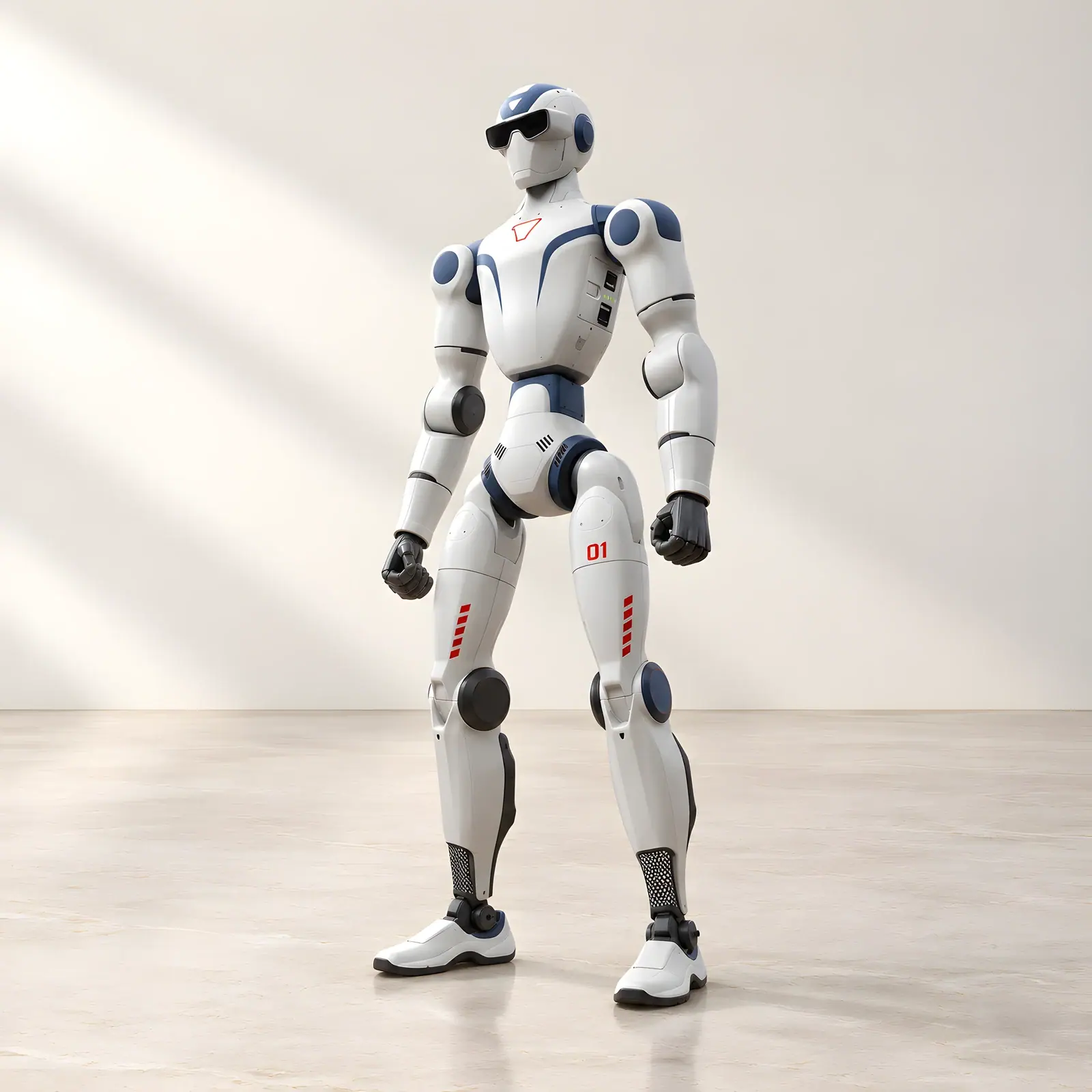
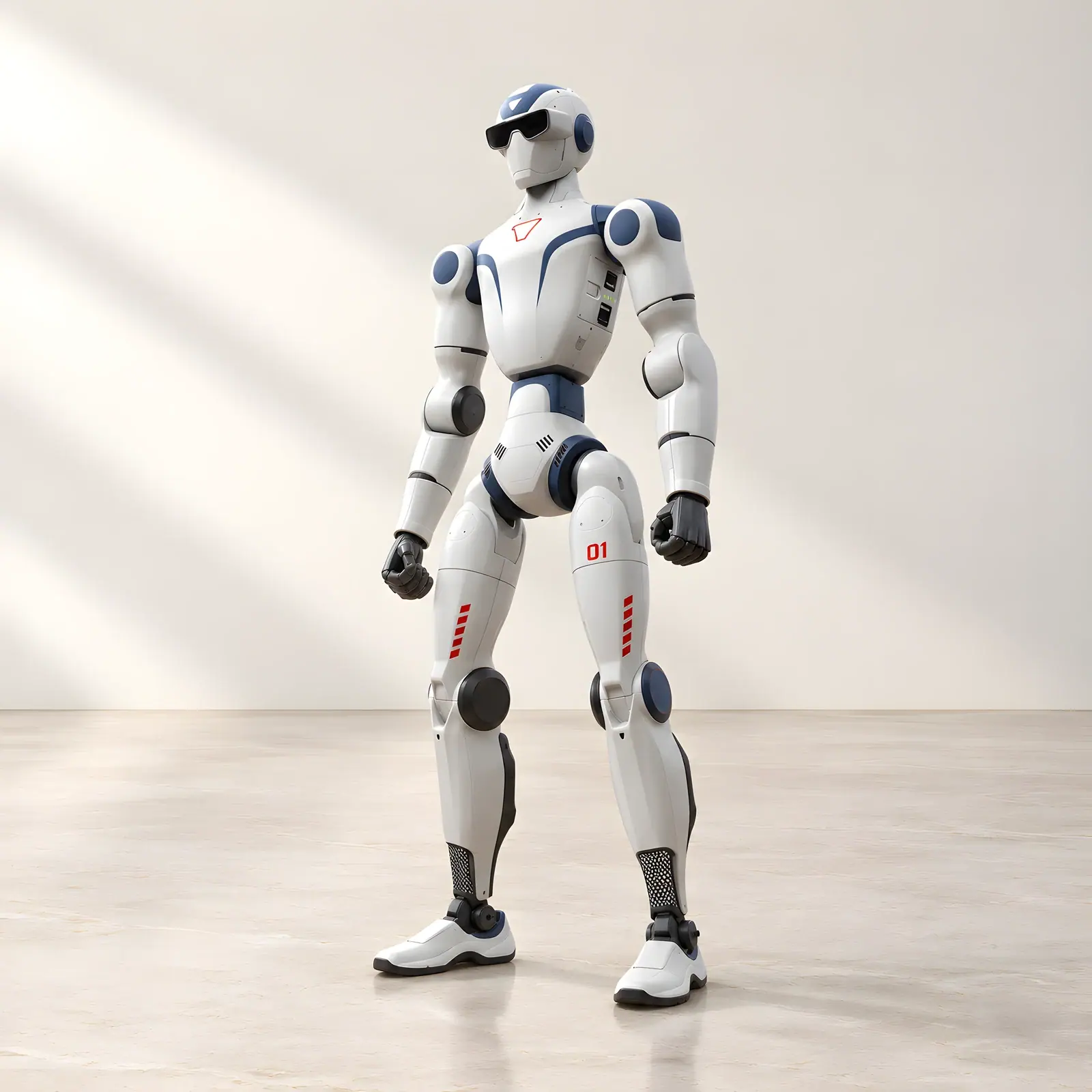
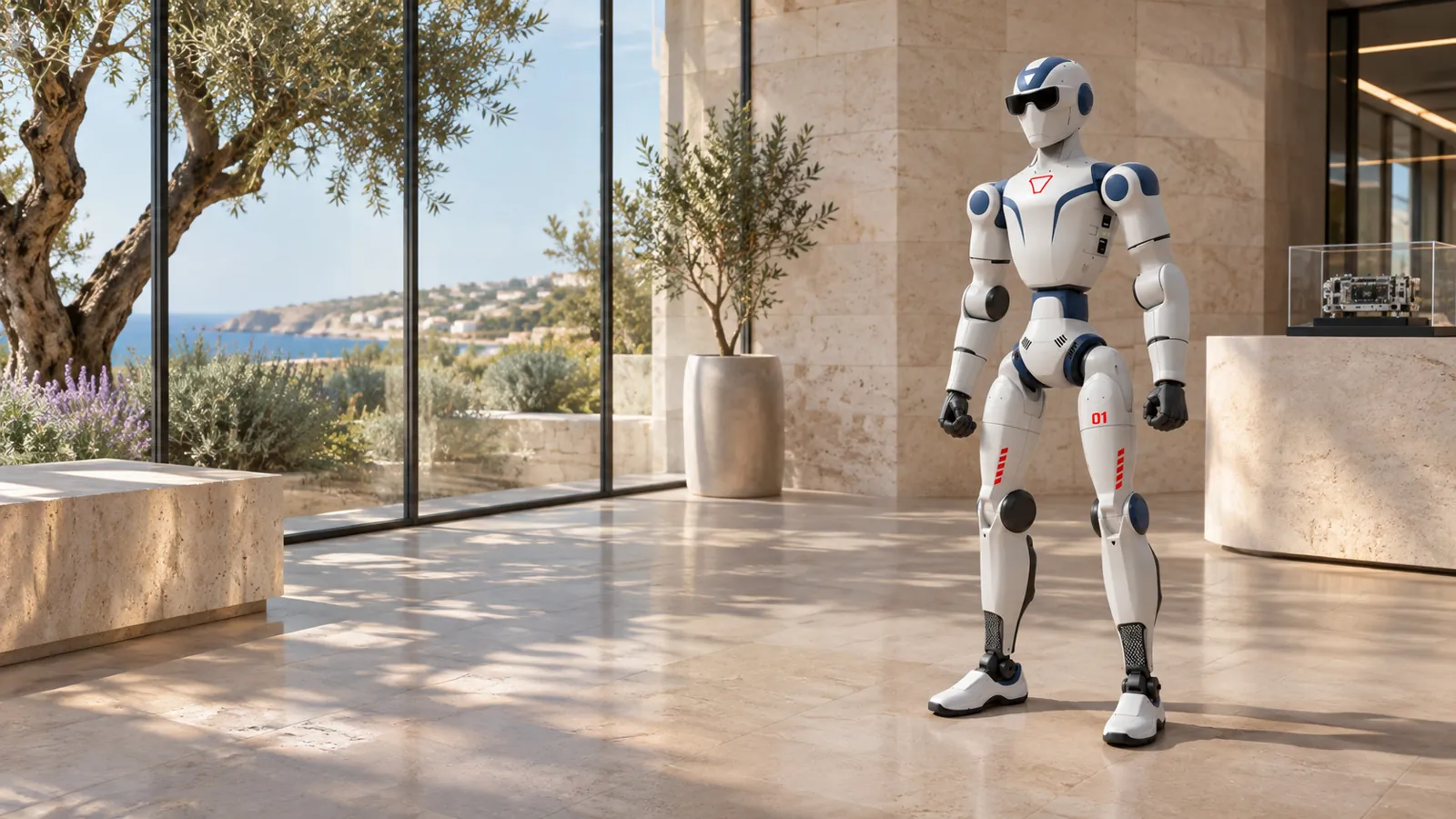
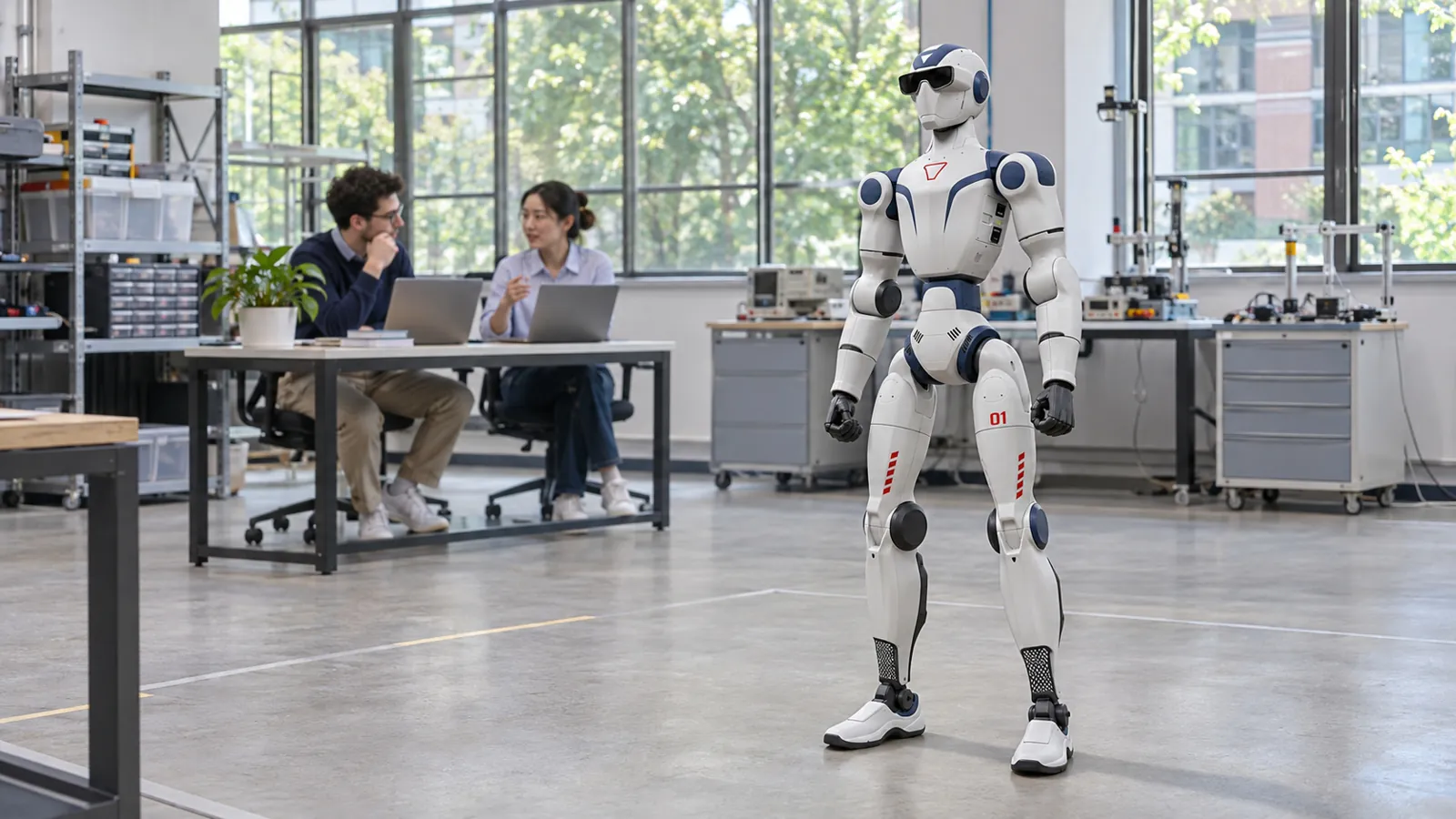
The Unitree R1 Air is the entry point for operator-controlled demonstrations. It is the lowest-priced member of the family, with a simpler articulated body and no autonomous navigation.
The Unitree R1 Basic offers more expressive movement through its additional arm, waist and head articulation. It is worth evaluating when that movement contributes directly to the demonstration or promotional experience.
The Unitree R1 EDU is the development option. If your team must create software using supported interfaces, this is a core requirement rather than an optional upgrade to consider later.
Turn vague requirements into demonstration questions
“We need an intelligent robot” is difficult to verify. “We need to run these three supported movements using the controller” is much clearer. So is “Our students need access to these joint and sensor interfaces.”
Ask which functions are included, which need configuration and which require separate development. For voice or visual interaction, discuss the actual language, environment and response you need. For navigation, ask who selects the destination and what the robot can independently do in the proposed setting.
A practical evaluation should resemble your use case. A quiet room and a crowded exhibition are different environments, even when the robot is identical.
Budget for the complete setup
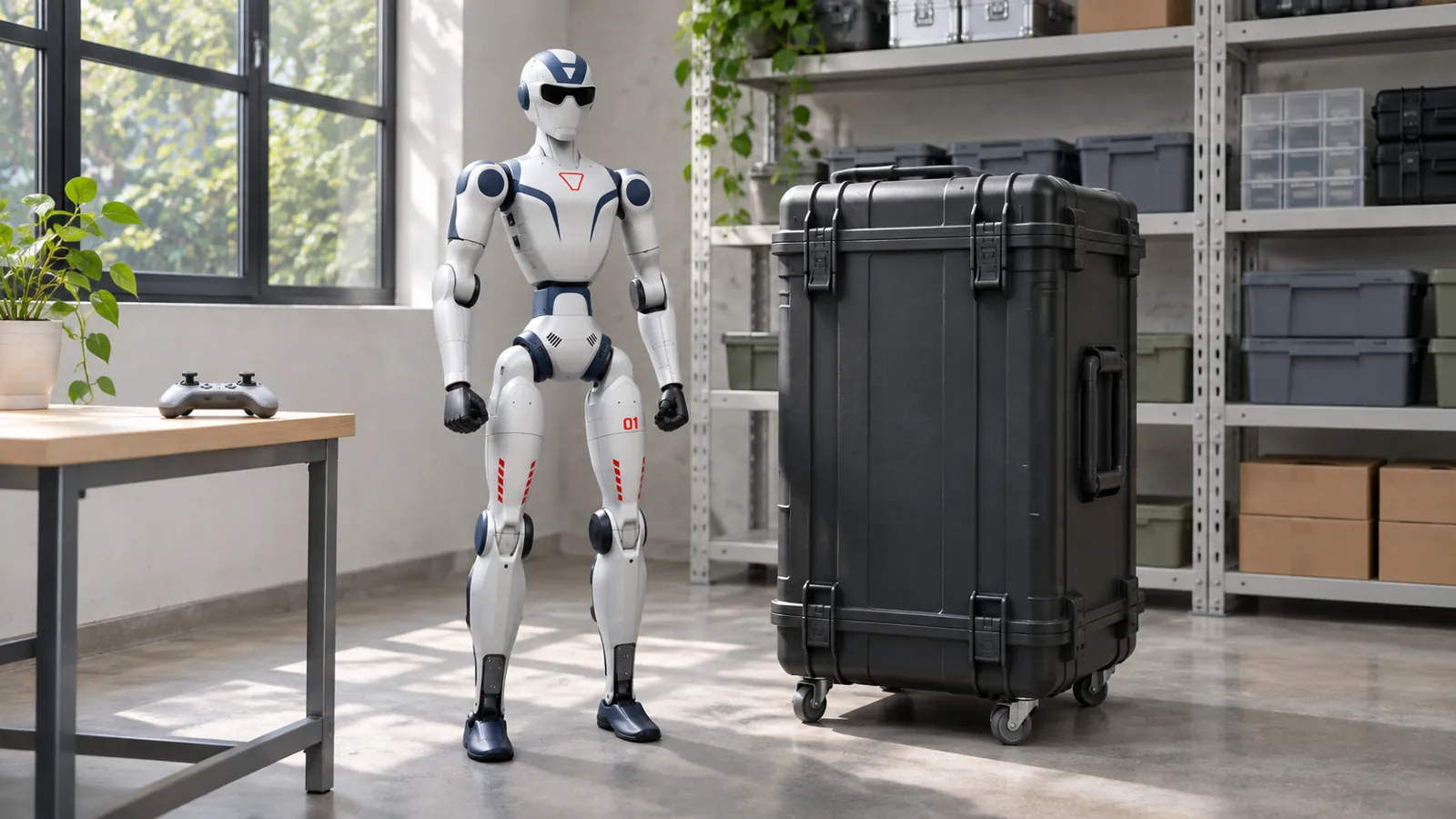
The robot itself is one part of the purchase. Your plan may also require a protective case, additional batteries, training, delivery, commissioning and ongoing support. A development project needs engineering time as well as equipment.
Ask for a written quotation that identifies the exact model, configuration, included accessories and service scope. Overseas list prices can be useful context, but they are not the same as a complete local purchase in Cyprus.
Avoid specifying accessories because they sound advanced. Optional hands are valuable when the task needs them; they are harder to justify for a basic demonstration that never uses grasping.
Decide who will own the day-to-day process
A robot needs a responsible person within the organisation. That person should know where the equipment is stored, who is trained, how sessions are booked and how problems are reported.
For EDU, add responsibility for software changes and documentation. A student project should leave the next group with a known starting point. For events, keep an agreed operating routine so each appearance does not become a fresh improvisation.
Local support is useful here because questions often concern the whole setup, not a single technical specification. Reef Robotics supplies robots in Cyprus and helps customers work through model selection, deployment and practical operation.
Check whether the job calls for a humanoid
A humanoid is compelling when its shape, movement or development potential is central to the purpose. If your requirement is routine visitor information and guidance, compare Reef Robotics' reception robots as well. A purpose-built interface may serve that need more directly.
Choose a robot you can give a useful role, a suitable space and a prepared team. Those three things are often more important to a successful first purchase than selecting the most advanced model in the catalogue.