
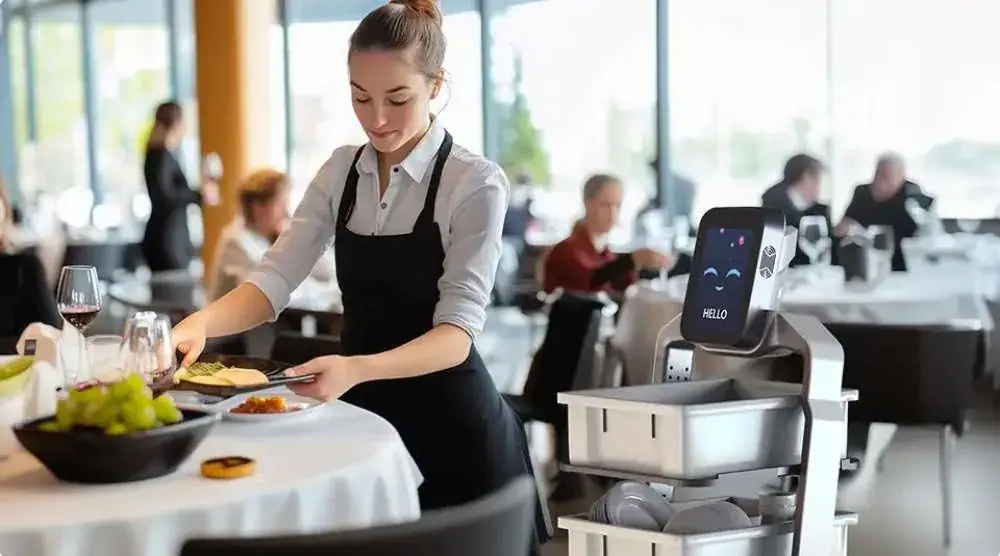
Automation always raises the same question. If you introduce a restaurant robot, are you replacing your waiters? It is a fair concern. Hospitality is built on human interaction. No restaurant owner wants to damage the guest experience.
But in real operations, a service robot is not designed to replace waiters. It is designed to support them. To understand why, we need to separate perception from operational reality.
What Waiters Actually Do – And Why Robots Cannot Replace That
A waiter’s role goes far beyond carrying plates. They:
- Welcome guests
- Read body language
- Adjust tone and approach
- Upsell naturally
- Handle complaints
- Solve unexpected problems
- Create atmosphere
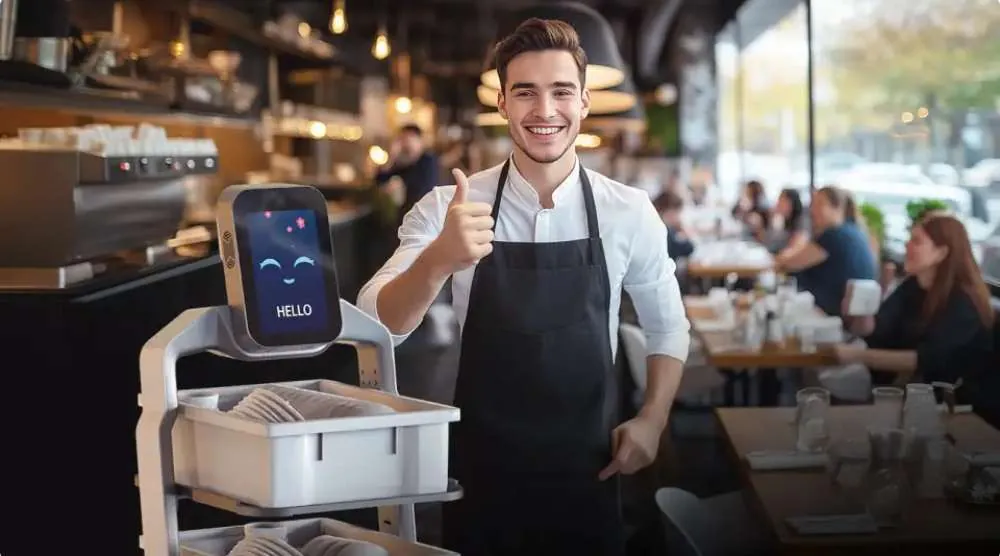
Hospitality is emotional and situational. It requires judgment, empathy, and flexibility. A restaurant robot cannot interpret a guest’s mood. It cannot calm an upset customer. It cannot build relationships. And it is not meant to.
What a Restaurant Robot Actually Does Well
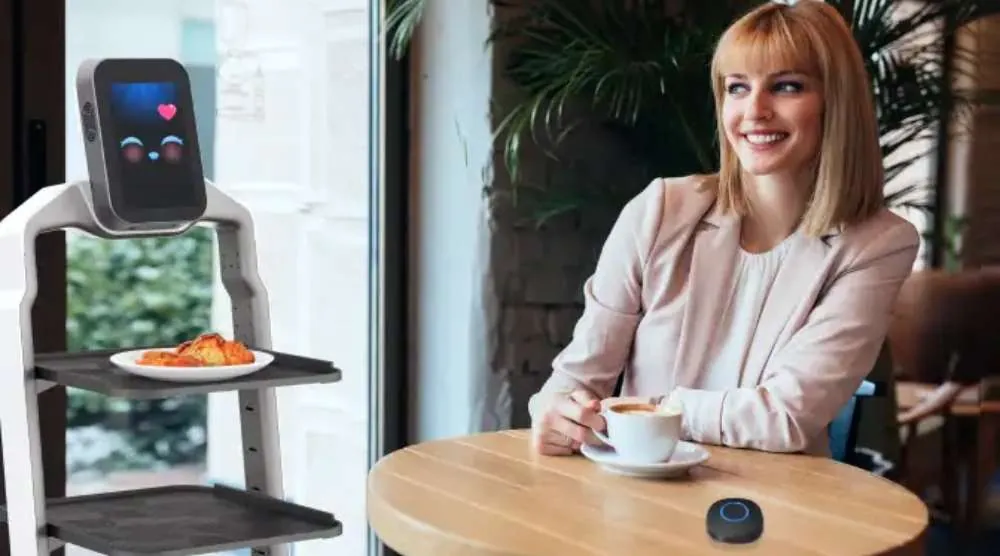
Now let’s look at what a restaurant robot is built for. It moves items from one point to another. Efficiently. Repeatedly. Without fatigue.
A service robot can:
- Deliver food from kitchen to table
- Transport multiple orders at once
- Return dishes to the kitchen
- Support during peak hours
- Reduce back-and-forth walking
These are logistical tasks. In many restaurants, waiters walk several kilometers per shift. A large portion of that time is spent simply moving between kitchen and tables. A restaurant robot handles that physical transport.
This does not remove hospitality from the process. It removes unnecessary strain.
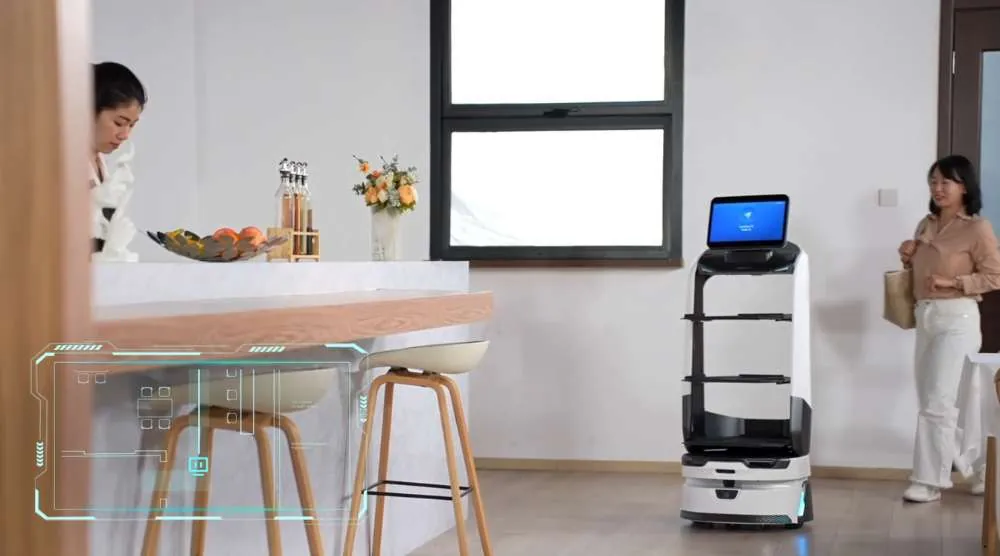
How a Service Robot Works With the Team
The key is integration. Here is a typical scenario:
- The kitchen places prepared dishes on the robot’s trays.
- A waiter selects the destination table on the screen.
- The restaurant robot drives to the correct zone.
- The waiter greets the table and completes the presentation.
Instead of carrying four heavy plates across the dining area, the waiter focuses on guest interaction. In busy service hours, this changes the rhythm of work.
The robot becomes a support unit. The team remains in control. Service remains human.
In larger venues, a service robot can also support runners. In smaller restaurants, it can help maintain smooth flow with a lean team. It does not interfere with the service style. It adapts to it.
Staff Shortages: The Real Driver Behind Automation
Across hospitality markets, staffing is one of the biggest operational challenges.
Restaurants face:
- Difficulty hiring experienced staff
- High turnover
- Seasonal workforce instability
- Rising labor costs
In many cases, introducing a restaurant robot is not about reducing staff. It is about maintaining service quality when staffing levels are limited. If you cannot easily add more employees during high season, automation becomes a stability tool. A service robot allows the existing team to handle higher volume without burnout.
What Actually Changes in Daily Operations
When implemented correctly, the impact is measurable. A restaurant robot can:
- Reduce unnecessary walking distance
- Improve delivery consistency
- Support faster table turnover
- Lower the risk of dropped items
- Help maintain service pace during peak hours
What does not change?
- Guests still interact with staff.
- Waiters still take orders.
- Managers still control the service strategy.
The robot supports movement. The team manages hospitality.
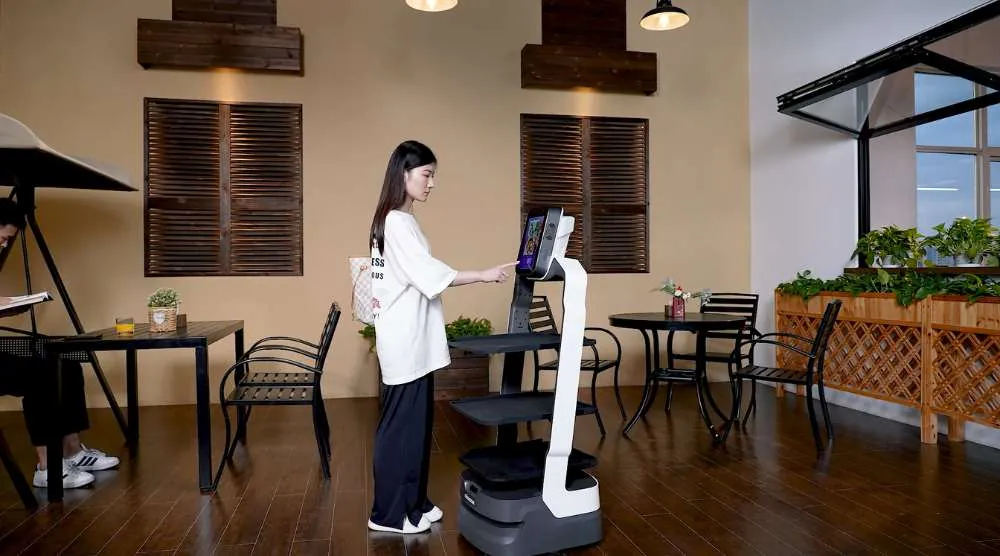
Does a Restaurant Robot Reduce Staff Costs?
This is often the underlying question. In most cases, a restaurant robot does not immediately replace a full-time waiter.
Instead, it allows:
- The same team to serve more tables
- More efficient use of labor hours
- Reduced physical strain
- Better shift endurance
For some businesses, it may delay the need to hire additional staff.
For others, it stabilizes operations during peak season. The financial impact depends on volume, layout, and workflow.
In Cyprus, restaurants can either purchase or rent a service robot. Rental options allow businesses to test the operational effect before making a long-term investment.
Technology Supports Hospitality – It Does Not Replace It
Hospitality remains human. A restaurant robot does not greet guests with empathy. It does not build loyalty. It does not create atmosphere. It moves plates.
And by doing that reliably, it frees your team to focus on what truly matters. When human service and automation work together, the result is not replacement. It is operational balance. If you are evaluating whether a restaurant robot could support your team, the next step is simple: review your workflow. Identify where time is lost in transport tasks.
That is where a service robot delivers real value.
