
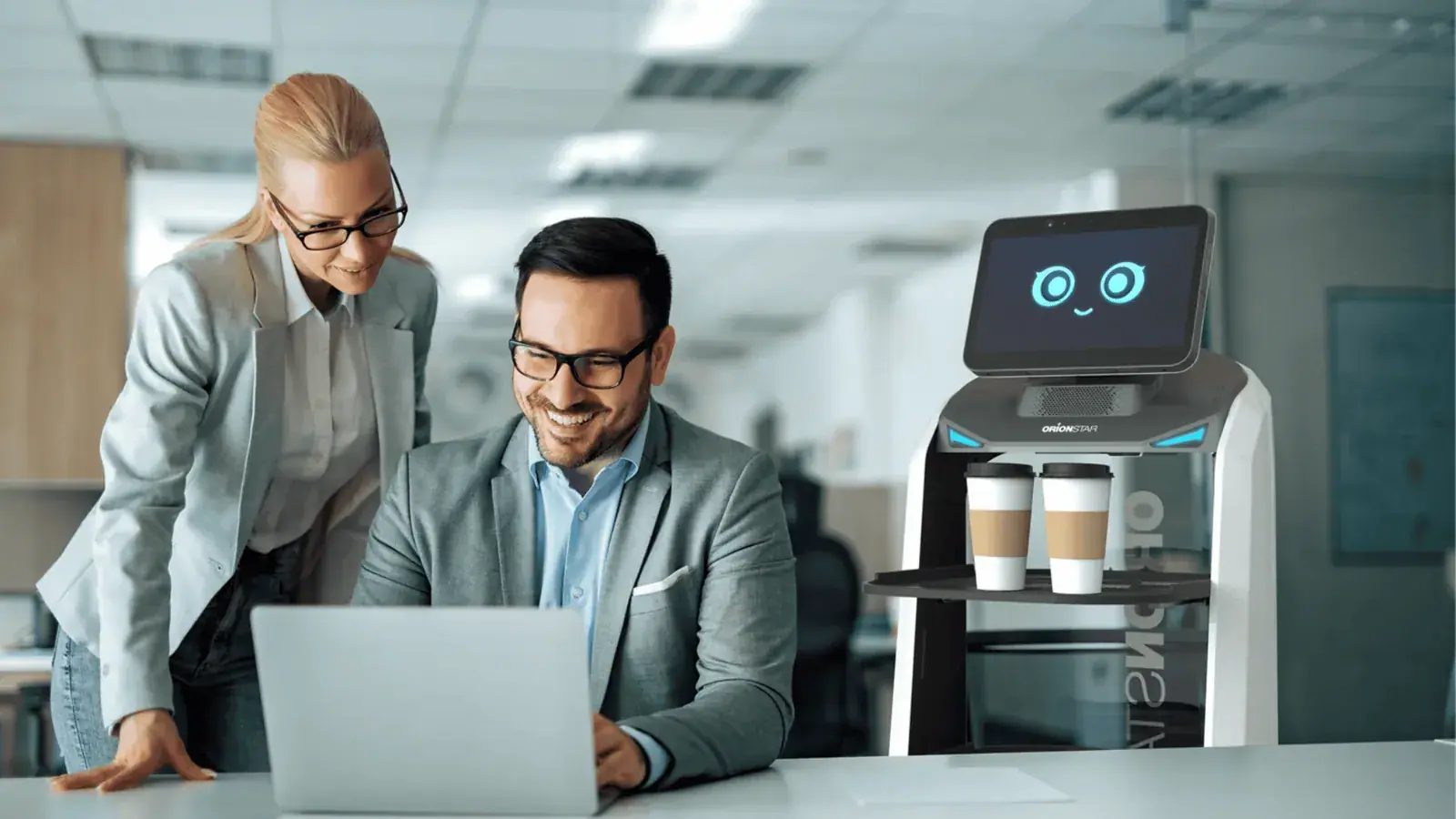
Staff retention is one of the most difficult challenges in hospitality. Restaurants and hotels do not only need people. They need people who can stay focused, motivated, and physically able to perform through long, demanding shifts.
This is where a service robot can help. Not by replacing people, but by removing some of the repetitive physical work that makes hospitality exhausting.
Reducing Burnout Through Better Workload Distribution
In many venues, staff spend a large part of the shift walking between the kitchen, tables, bar, dishwashing area, and storage. This movement is necessary, but it is not always the best use of human energy. A waiter’s value is strongest when speaking with guests, solving problems, recommending dishes, and creating a good atmosphere.
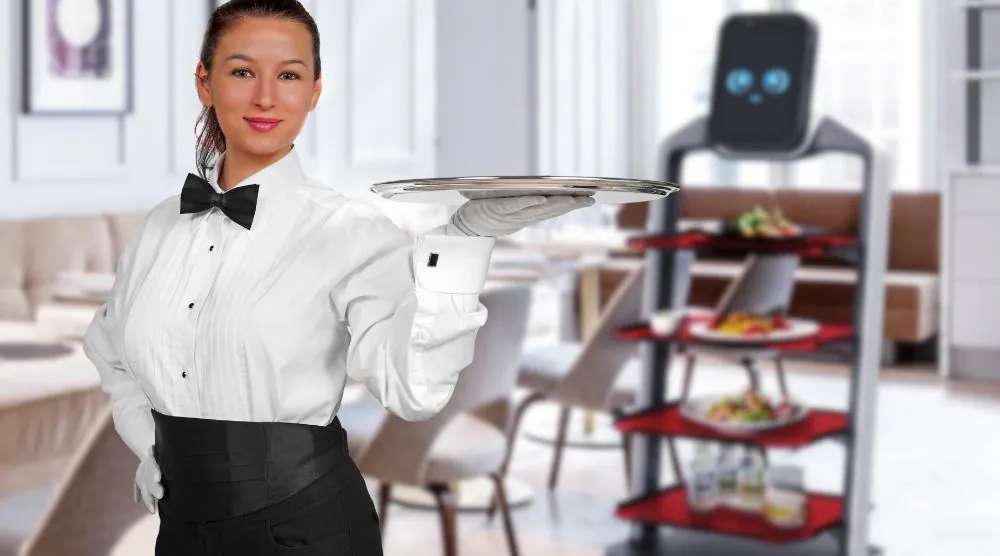
A service robot takes over part of the movement layer. It can deliver dishes, return plates, transport drinks, or carry small supplies. That means staff still manage the service, but they spend less time doing the most repetitive parts of it.
Better Shift Ergonomics
Carrying trays for hours is physically demanding. Over time, this creates fatigue, especially during peak service or high season. A robot reduces the number of heavy trips staff need to make, which can improve comfort during the shift and help teams stay consistent until closing time.
This is not only about convenience. A less exhausted team is usually more patient, more attentive, and better able to handle guest interaction. In practice, wellbeing and service quality are connected.
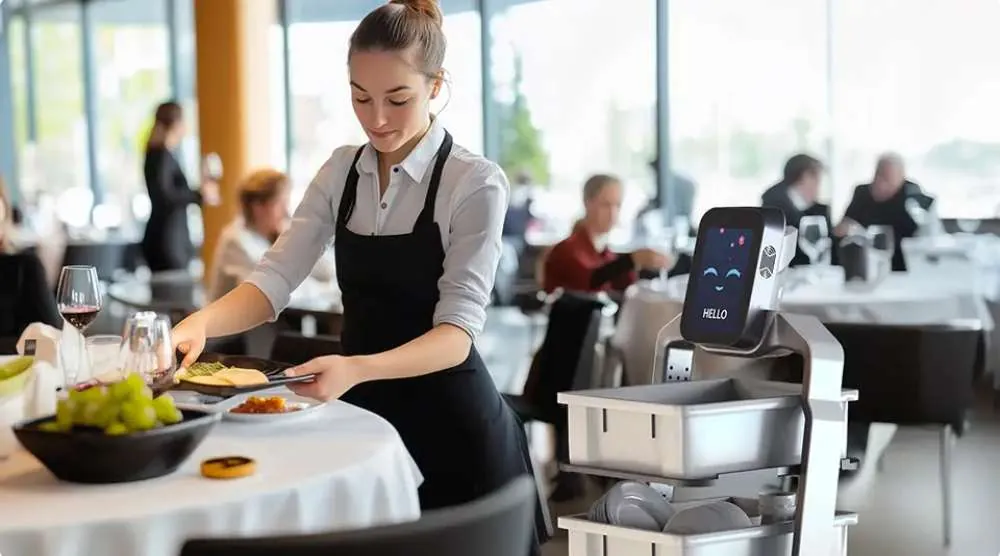
A Staff Retention Robot Is Really a Support System
The phrase staff retention robot may sound unusual, but it describes the real value well. The robot is not an HR tool in the traditional sense. It does not manage schedules or motivate people. But it can improve the daily working experience by reducing pressure in the areas where teams feel it most.
For many employees, the robot also makes the workplace feel more modern. Instead of doing everything manually, they learn to work with automation. That can make the role feel more professional and less physically repetitive.
Career Development and New Skills
Introducing service robots also creates an opportunity to develop staff. Someone on the team can become responsible for robot operation, route management, basic troubleshooting, or event setup. These are small but meaningful skills connected with modern hospitality technology.
This matters because employees are more likely to stay when they feel they are learning something useful. A robot can create new responsibilities without making the job more stressful.
Getting Staff Acceptance Right
The way management introduces the robot matters. If staff hear “robot” and think “replacement”, adoption will be difficult. If they hear “support tool”, the reaction is usually different.
The message should be clear: the robot handles transport, while people handle hospitality. Teams should be shown how the robot reduces walking, supports peak hours, and gives them more time with guests. In Cyprus, employers are expected to involve employees or safety representatives in OSH-related matters, so introducing new technology should include clear internal communication and training.
See the Human + Robot Model in Action
Service robots work best when they are part of a team. Reef Robotics has already used LuckiBot Pro in real Cyprus conditions, including Doers Summit — robot at a business event, AI Cyprus Expo — LuckiBot Pro in Limassol, and GDCy Fest 2026 — service robot at a tech event.
A Better Workplace Supports Better Service
Staff retention is not solved by one tool. But better tools help. A service robot can reduce repetitive strain, improve workflow, and make daily operations feel more controlled.
For restaurants and hotels that want to support their teams while improving efficiency, this is a practical step.
Contact Reef Robotics to discuss staff training packages and introduce service robots in a way your team will actually accept.
