
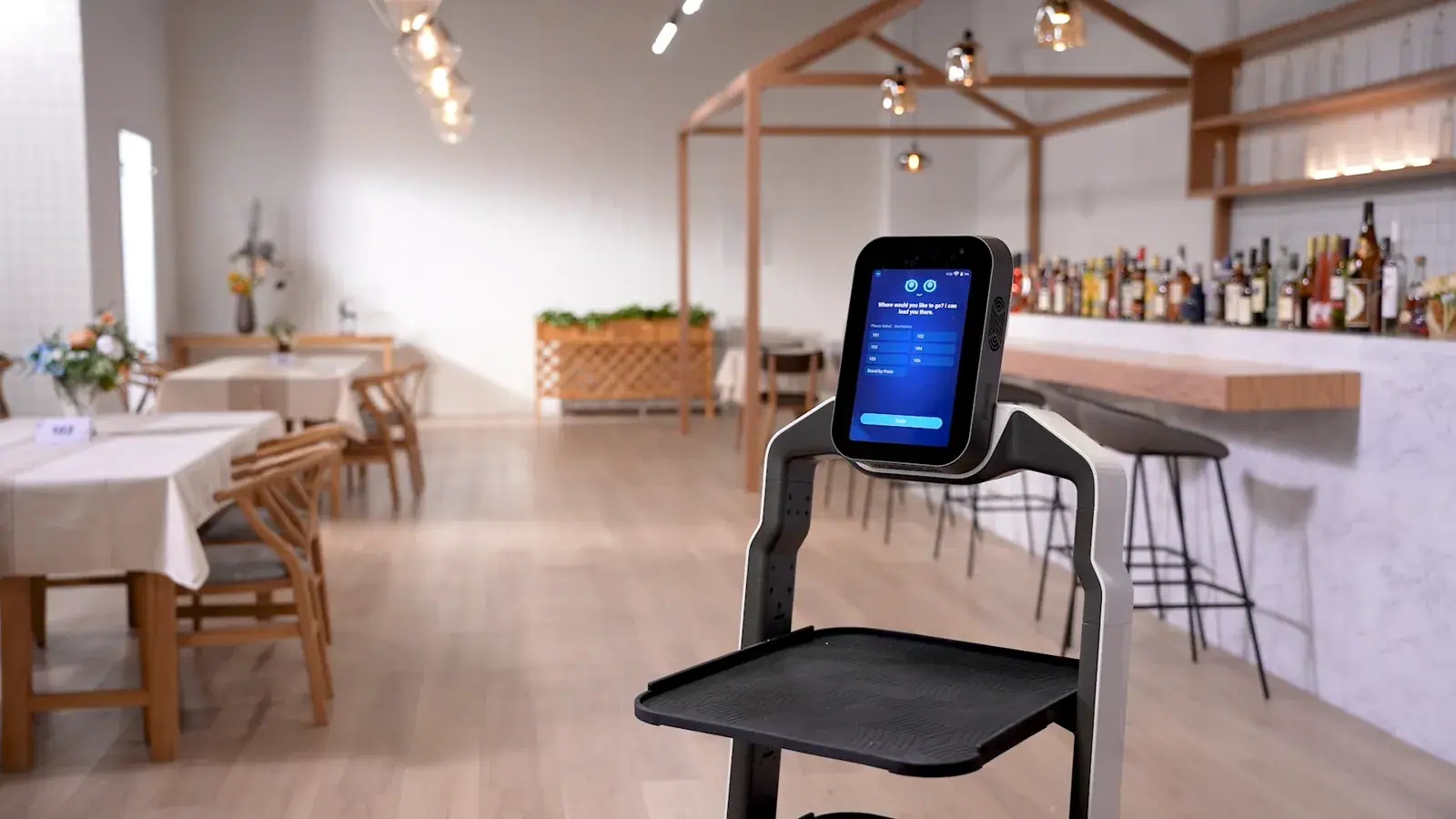
Safety is one of the first concerns when introducing any new technology into a restaurant. This is especially true for autonomous systems moving through guest areas. The good news is that modern service robot solutions are designed with safety as a core priority.
For restaurant owners in Cyprus, understanding how a restaurant robot operates safely – and how it fits into existing procedures – is key to a smooth and confident implementation. Below is a practical overview of the most important safety and compliance aspects.
Obstacle Detection and Navigation
At the core of every service robot is its navigation system. Most professional robots use a combination of:
- LiDAR sensors
- cameras
- real-time mapping
This allows the robot to continuously scan its surroundings and react instantly to changes.
In practice, this means:
- the robot detects guests, staff, and objects in its path
- it slows down automatically in crowded areas
- it adjusts its route to avoid collisions
Unlike manual transport, where human error can occur under pressure, a restaurant robot maintains consistent awareness of its environment at all times.
Emergency Stop and Manual Control
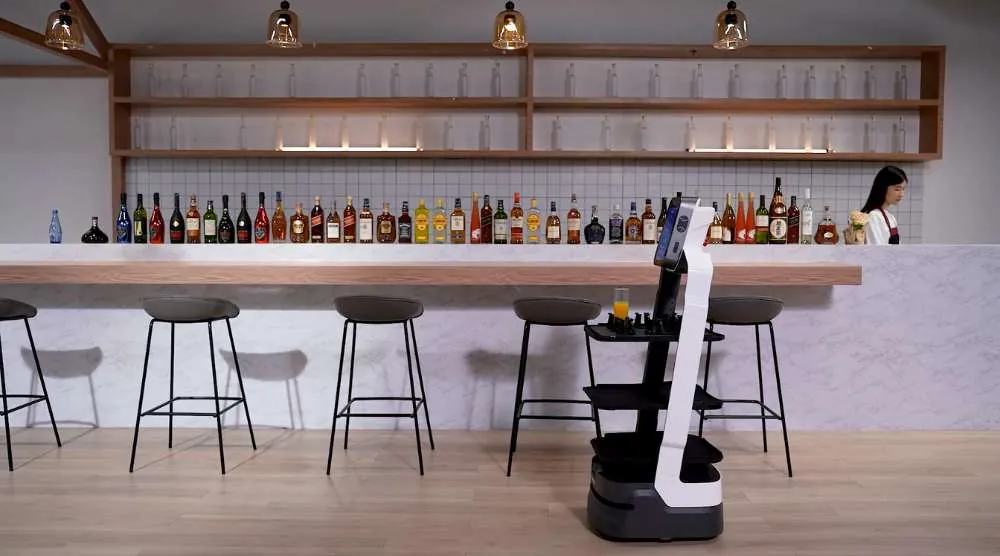
Every professional restaurant robot includes emergency stop functionality.
This allows staff to immediately stop the robot if needed. The stop control is typically:
- physically accessible on the robot
- easy to activate
- responsive without delay
In addition to emergency stop, robots can be manually guided or paused through the touchscreen or control system.
This ensures that staff always remain in control, even though the robot operates autonomously.
Certifications and Standards
Commercial service robots are built to meet international safety standards.
Depending on the model and manufacturer, this may include:
- CE certification (required in Europe)
- electrical safety compliance
- operational safety standards for autonomous devices
These certifications ensure that the robot is safe to operate in public environments such as restaurants and hotels.
When choosing a provider, it is important to confirm that the service robot meets all relevant regulatory requirements.
Insurance Considerations
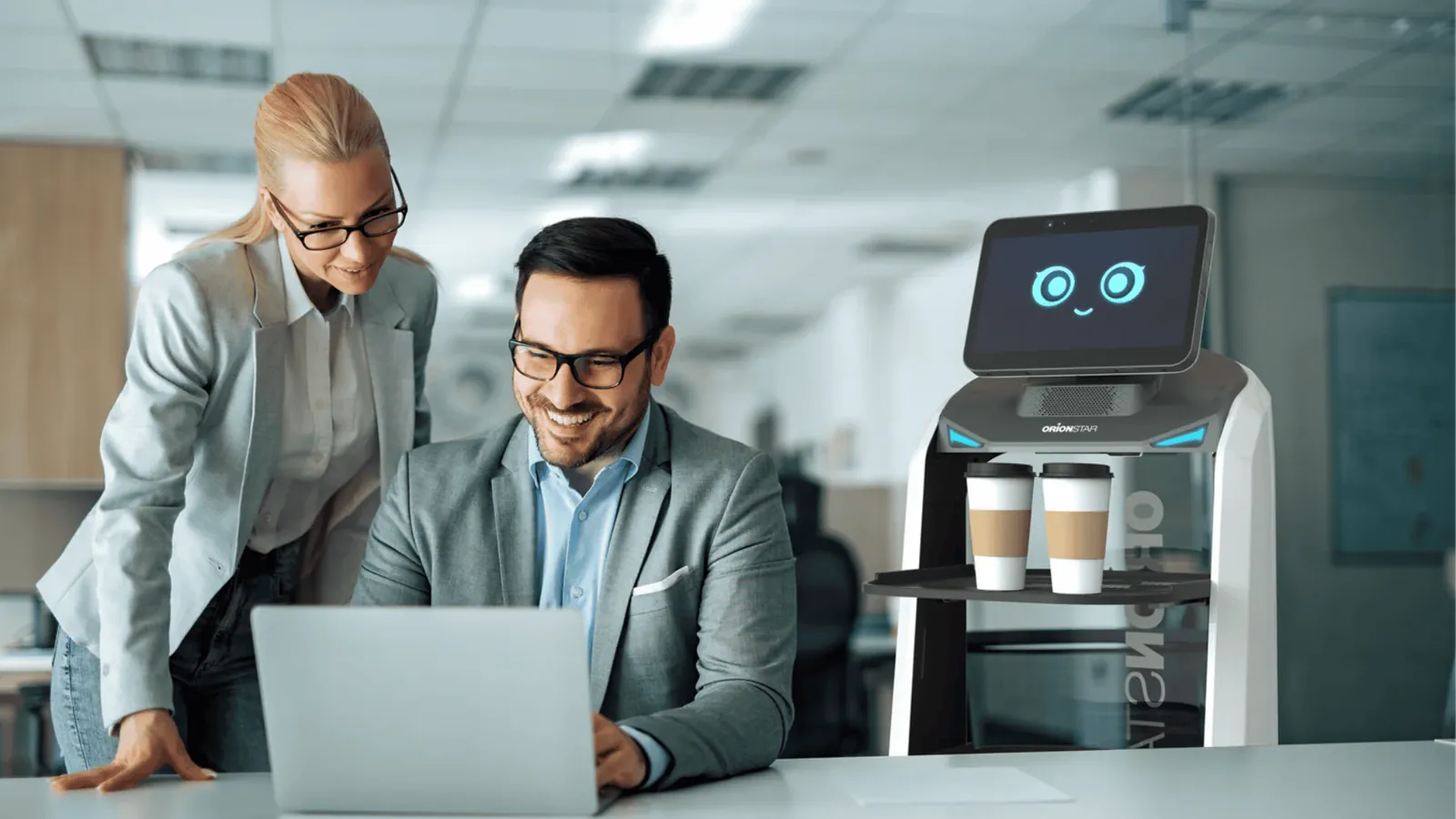
From an insurance perspective, a restaurant robot is typically treated as operational equipment.
In most cases:
- it can be included in existing business insurance policies
- liability coverage remains similar to other equipment used in the venue
However, it is recommended to:
- inform your insurance provider about the robot deployment
- confirm coverage for autonomous equipment
- ensure liability policies are up to date
In practice, because robots are designed with multiple safety layers, they often reduce risk compared to manual transport of heavy or unstable items.
Safety Policies for Staff
Introducing a service robot requires simple adjustments to internal procedures.
Staff should be trained on:
- basic robot operation
- emergency stop usage
- how to load and unload trays safely
- how to interact with the robot during service
It is also useful to define clear internal rules, such as:
- keeping main robot paths clear
- avoiding unnecessary interference with the robot
- understanding priority zones (e.g. near kitchen or narrow corridors)
Training is usually quick and straightforward. Most teams become comfortable with the robot after a short introduction.
Guest Communication
Guests are generally curious and positive when they see a robot in action. However, clear communication helps ensure a smooth experience.
Simple practices include:
- briefly explaining the robot’s role when needed
- guiding guests when picking up orders from the robot
- ensuring children do not interfere with its movement
In most cases, guests quickly understand how the robot works. Many even see it as an added value to the dining experience.
Practical Safety Checklist
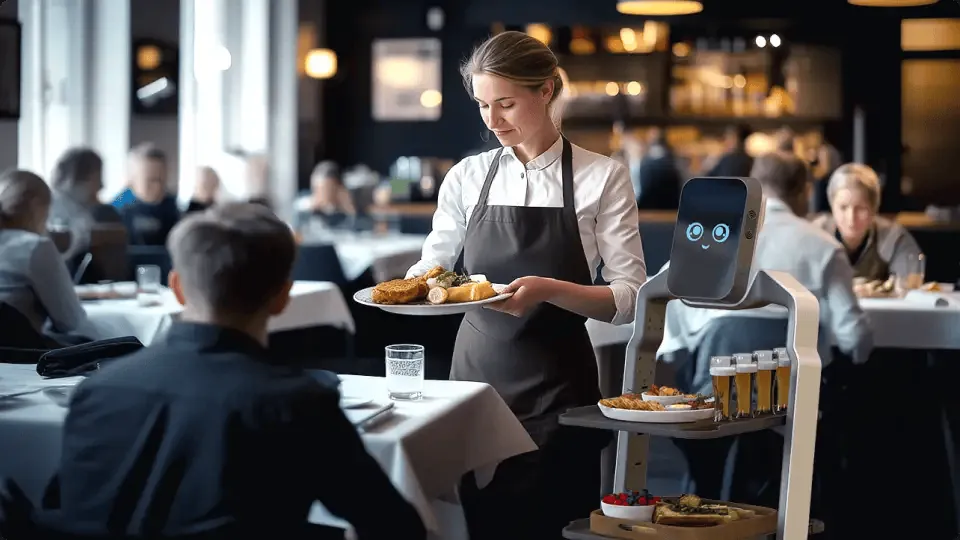
Before using a restaurant robot in daily service, it is worth reviewing a simple checklist:
- The venue is properly mapped and tested.
- No-go zones are defined (e.g. stairs, restricted areas).
- Staff are trained on operation and emergency stop.
- Routes avoid overly narrow or high-risk areas.
- The robot is regularly checked and maintained.
Following these basic steps ensures safe and predictable operation.
Service Robots x Reef Robotics Cyprus
A modern service robot is designed to operate safely in dynamic environments like restaurants. With advanced sensors, emergency controls, and clear procedures, it integrates smoothly into daily operations.
For restaurant owners, the key is not just the technology itself, but how it is implemented and managed. With proper setup and basic staff training, a restaurant robot becomes a reliable and safe part of the team.
Contact Reef Robotics to learn more about safe deployment and support for service robots in your venue.
