
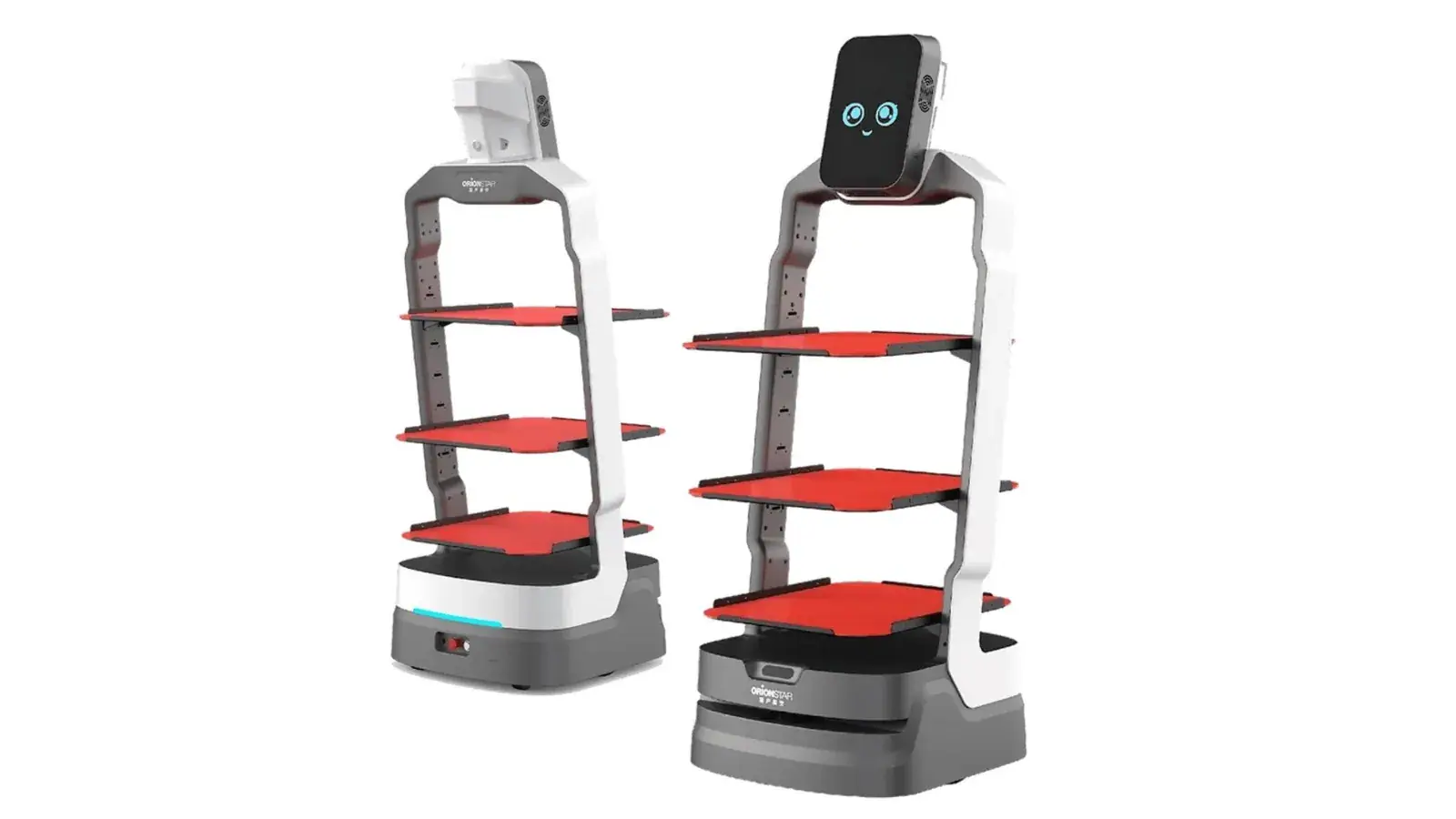
In most restaurants, revenue is not limited by demand. It’s limited by how many guests you can serve in a given time. That comes down to one operational factor: table turnover. During peak hours, even well-run venues lose time between steps. Dishes wait at the pass. Staff walk long distances. Tables stay uncleared a few minutes too long. Individually, these delays seem minor. Across a full shift, they add up.
A restaurant robot addresses exactly this layer of inefficiency. Not by changing the service model, but by removing friction from it.
Where Time Is Actually Lost
If you look closely at a busy lunch or dinner service, most inefficiencies are not in the kitchen or at the table. They happen in between.
- dishes waiting to be picked up from the kitchen
- multiple trips to serve one table
- slow plate returns during peak moments
- congestion in narrow service areas
A service robot is designed to handle these transitions. It moves continuously, carries multiple items, and follows optimized routes without interruption. It doesn’t get distracted, delayed, or pulled into other tasks.
The result is not faster service in a visible sense. It’s fewer gaps between actions, which is what really defines operational speed.
What Changes in Practice
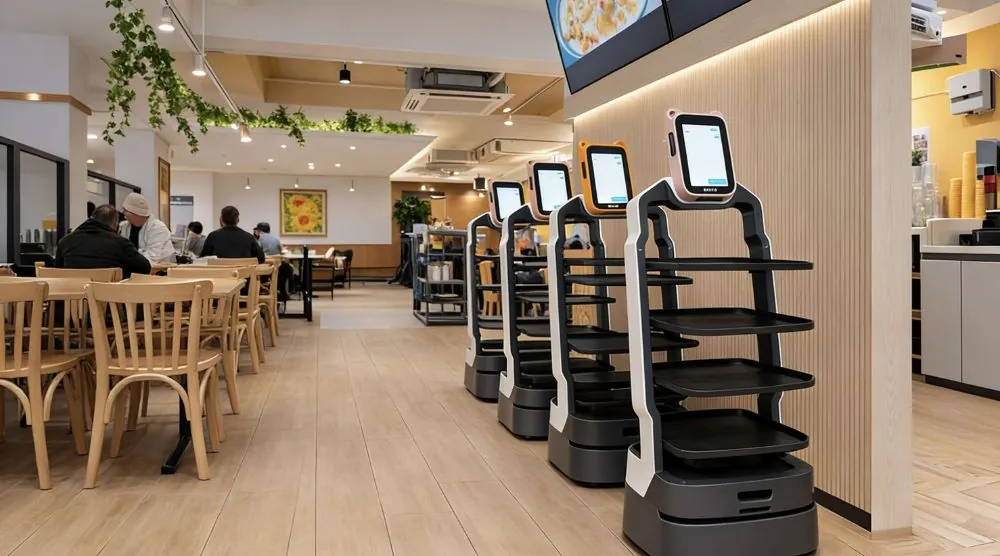
Once a robot becomes part of the workflow, the rhythm of service shifts in a subtle but important way. Instead of waiters constantly moving back and forth, the robot acts as a stable connection between the kitchen and the dining area. Staff begin to work around it. The kitchen loads multiple orders at once, and the robot delivers them in sequence. At the same time, used plates are sent back without requiring separate trips.
This changes how time is distributed during service. Staff spend less time on logistics and more time where it actually matters – with guests.
A Practical Example
Consider a mid-size restaurant with 50 seats and a three-hour lunch peak. If the average table time is 60 minutes, the venue can realistically serve around 150 guests.
Now assume a modest improvement. Not a transformation – just better flow. A restaurant robot helps reduce delays between key steps, saving around 8–10 minutes per table cycle.
This comes from:
- faster delivery from the kitchen to tables
- quicker clearing once guests finish
- smoother movement during peak congestion
The average table time drops closer to 50-52 minutes. That alone allows the same restaurant to serve closer to 170-180 guests during the same service window. No structural changes. No additional staff. Just improved execution.
Revenue Impact
Once you translate this into revenue, the effect becomes clear. If the average spend per guest is €20, the difference between 150 and 180 guests is significant. That’s an increase from €3,000 to €3,600 during a single peak service.
Even if this level is not reached every day, the impact over weekends, high season, and busy periods adds up quickly. The robot is not generating revenue directly – it is enabling the restaurant to capture demand that would otherwise be lost due to operational limits.
Not Faster Dining – Better Flow
It’s important to clarify one thing. A service robot does not rush guests. It does not shorten the dining experience or push tables to turn faster unnaturally.
What it removes is idle time. The waiting moments between actions that don’t add value to the guest.
Service becomes more consistent. Dishes arrive on time. Tables are cleared without delay. Staff are more available when guests need them. The overall experience feels smoother, not faster in an uncomfortable way.
Additional Upside During Service
There is also a secondary effect that becomes visible over time. Many robots are equipped with screens, which can be used to display simple, well-timed messages. For example, highlighting desserts or drinks during key moments of the meal.
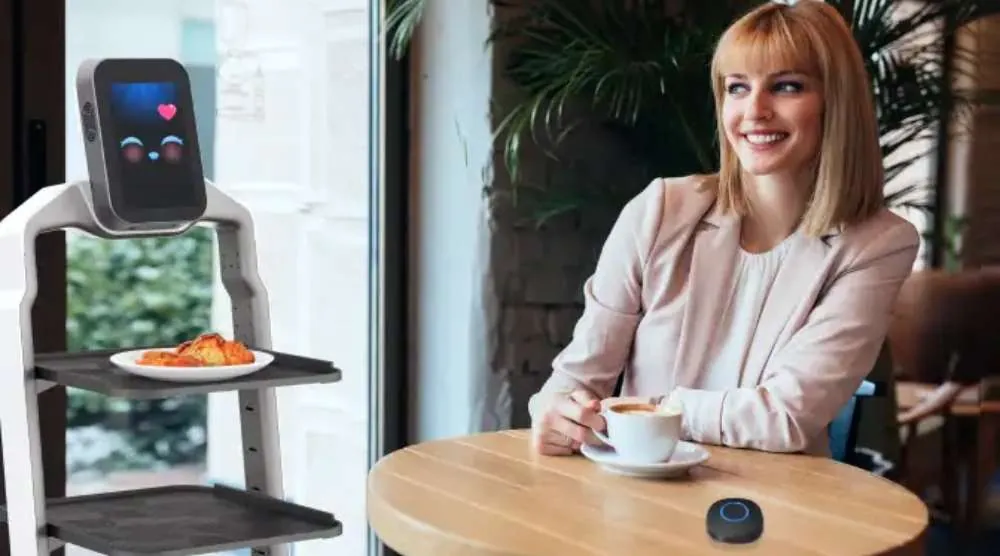
At the same time, because staff are less occupied with carrying items, they naturally have more time to engage with guests. This often leads to more effective upselling, not because of scripts, but because of better timing and presence.
In practice, restaurants see a combination of operational efficiency and improved guest interaction.
Why This Matters
Most restaurants try to increase revenue by adding complexity – more staff, larger menus, or extended hours. These approaches can work, but they also increase costs and pressure.
Improving table turnover is different. It optimizes what already exists.
A restaurant robot does not change your concept. It strengthens your execution. It removes friction from daily operations and allows your team to work more effectively during the busiest hours.
How Service Robots Can Improve Table Turnover and Revenue?
When you look at the numbers, even small improvements in table turnover can have a measurable financial impact. Over time, this is what defines the return on investment.
The best way to evaluate it is not in theory, but in your own space, with your own workflow. Contact Reef Robotics to see how a restaurant robot can improve table turnover and revenue in your venue.
