
Food waste and service errors rarely come from one big mistake. They come from small, repeated issues — a spilled drink on the way to the table, a dish delivered to the wrong guest, an order delayed long enough to lose quality. Over the course of a day, these small inefficiencies add up.
This is where a restaurant robot starts to make a measurable difference. Not by changing the kitchen itself, but by stabilizing what happens between the kitchen and the guest.
Where Errors Typically Happen
In most restaurants, the highest risk of mistakes appears during movement. The kitchen may prepare dishes correctly, but once service begins, things can go wrong. Staff are moving quickly, carrying multiple plates, navigating tight spaces, and responding to constant changes.
Under pressure, it’s easy to see how issues occur. A tray is unbalanced, a drink spills, or an order is delivered to the wrong table. These are not rare situations — they are part of daily operations in busy venues.
A restaurant robot addresses this exact layer of the process. It takes over the repetitive transport tasks where human error is most likely to appear.
Fewer Spills Through Stability
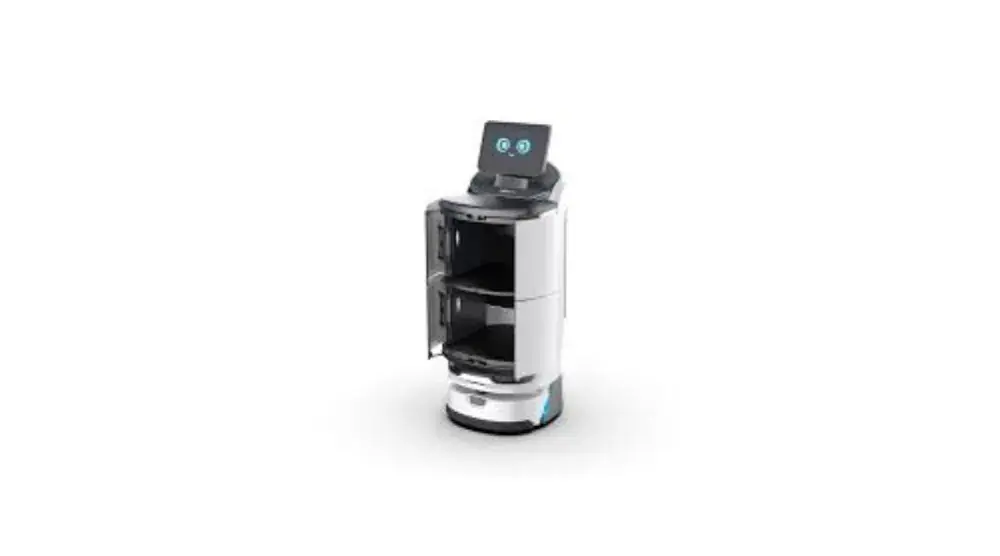
One of the simplest but most important improvements is stability. A restaurant robot moves at a controlled, consistent speed. It does not rush, lose balance, or adjust its posture under load. Trays are fixed and designed to carry items securely, even when transporting multiple dishes at once.

This matters especially for drinks, soups, and delicate presentations. What might spill during a fast-paced human delivery arrives intact when handled by a robot.
Over time, this reduces waste in a very practical way. Fewer spills mean fewer remakes, less product loss, and more predictable service.
Accurate Routing Reduces Mistakes
Another common issue in restaurants is misdelivery. An order goes to the wrong table, or staff need to double-check destinations during busy periods.
A restaurant robot operates differently. It follows predefined routes and moves to specific, labeled points. When a destination is selected, the robot goes exactly there — no guesswork, no confusion.
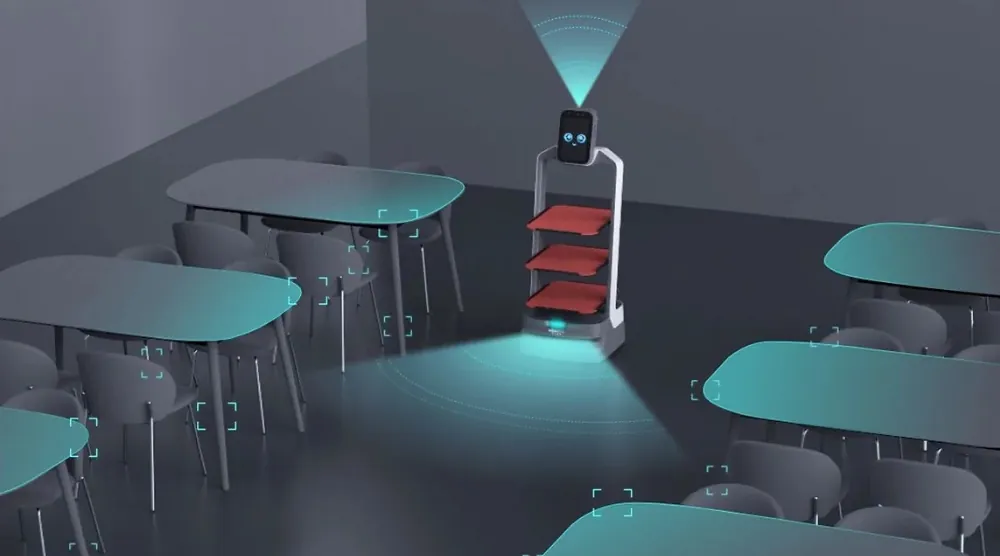
This reduces the chance of mix-ups, especially in larger venues or during peak hours. It also simplifies the process for staff. Instead of remembering multiple table numbers while carrying items, they can rely on the system to handle navigation.
Fewer Mix-Ups During Peak Service
During busy service, the number of active orders increases quickly. This is when mistakes become more frequent.
A restaurant robot helps by organizing deliveries more clearly. Orders can be grouped and assigned to specific trays, which reduces the chance of items being mixed between tables.
Because the robot handles multiple deliveries in one trip, staff spend less time juggling different orders manually. This creates a more structured flow between kitchen and dining area. As a result, fewer dishes need to be remade due to incorrect delivery, and overall service becomes more predictable.
Indirect Benefits in the Kitchen
Although the robot operates outside the kitchen, its impact is felt inside. When fewer mistakes happen during delivery, the kitchen avoids unnecessary rework. Staff can focus on preparing new orders instead of correcting previous ones. This improves overall efficiency and reduces pressure during peak periods.
There is also a quality benefit. Dishes reach the table faster and in better condition, which reduces the likelihood of returns or complaints. In this way, a restaurant robot supports the entire operation, not just the service layer.
A Simple Example from Daily Operations
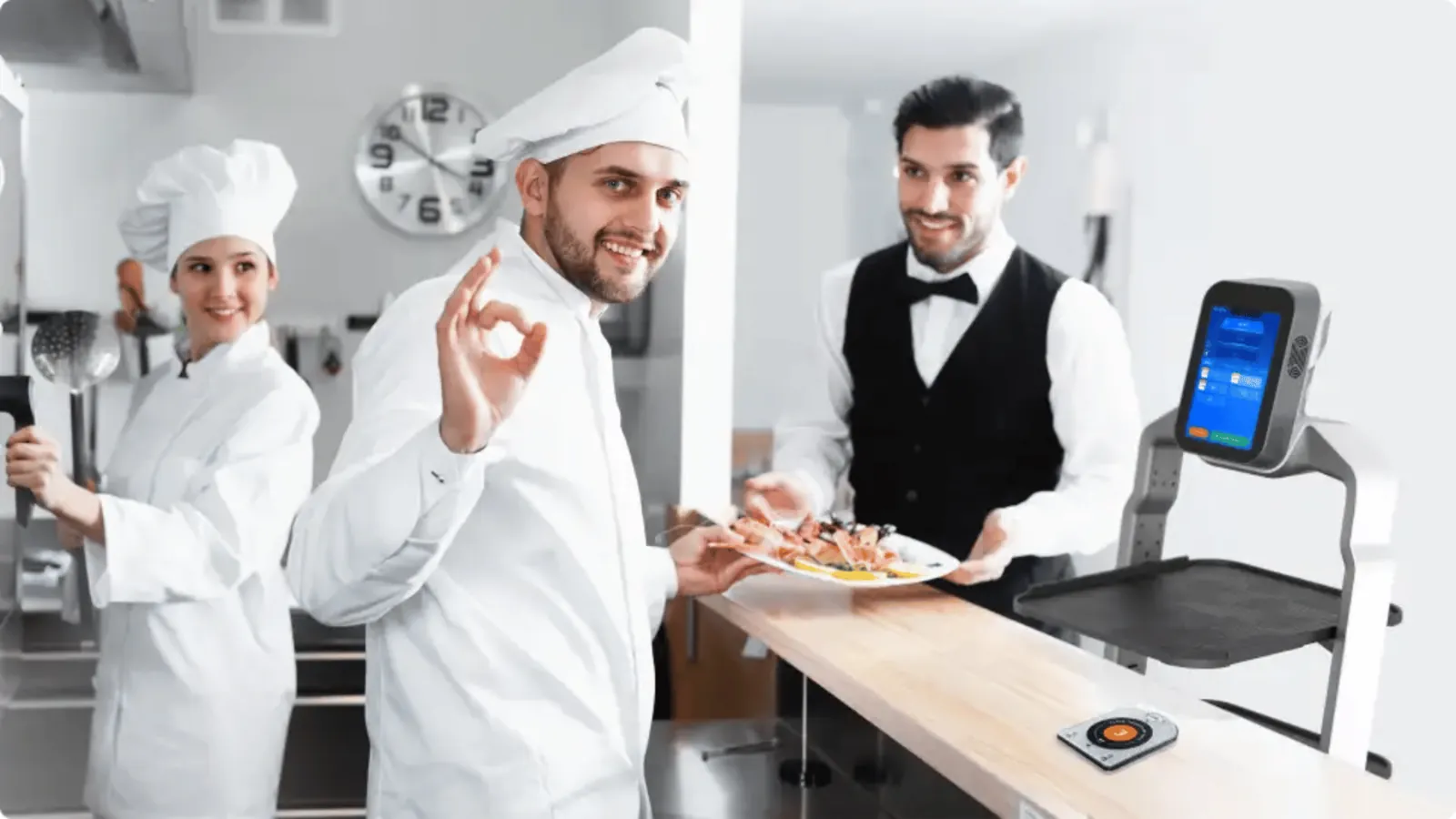
Consider a mid-sized restaurant during a busy evening service. Before introducing a robot, staff are constantly moving between kitchen and tables. Drinks occasionally spill, especially during peak moments. A few orders each shift need to be corrected or remade due to delivery errors.
After introducing a restaurant robot, the workflow changes. The robot handles most of the transport tasks, carrying multiple items at once. Staff focus on serving guests rather than running back and forth. Within a short time, the difference becomes visible. Fewer spills occur, delivery becomes more accurate, and the number of corrected orders drops. The kitchen experiences fewer interruptions, and service flows more smoothly.
The change is not dramatic in a single moment, but consistent over time — and that’s where the real value lies.
Why This Matters Financially
Reducing waste and errors has a direct impact on costs. Less spilled product means less waste. Fewer mistakes mean fewer remakes. More accurate delivery means better use of time and resources.
These improvements may seem small individually, but together they contribute to a more efficient operation. Over weeks and months, the savings become noticeable.
A restaurant robot does not eliminate all errors, but it significantly reduces the most common ones – the ones that happen during movement and under pressure.
A More Controlled Service Flow
At its core, the benefit of a robot is control. Instead of relying entirely on human movement during busy periods, part of the process becomes predictable. The robot follows the same routes, maintains the same speed, and performs the same tasks consistently. This stability reduces variability, and less variability means fewer mistakes.
Where Efficiency Meets Consistency
Improving operations is not always about doing more. Sometimes it’s about doing the same things with fewer errors. A restaurant robot brings that consistency into one of the most critical parts of service — the connection between kitchen and guest.

By reducing spills, improving accuracy, and supporting staff during peak hours, it helps create a more reliable system overall. Contact Reef Robotics for an operational review and see how a restaurant robot can reduce waste and errors in your venue.
