
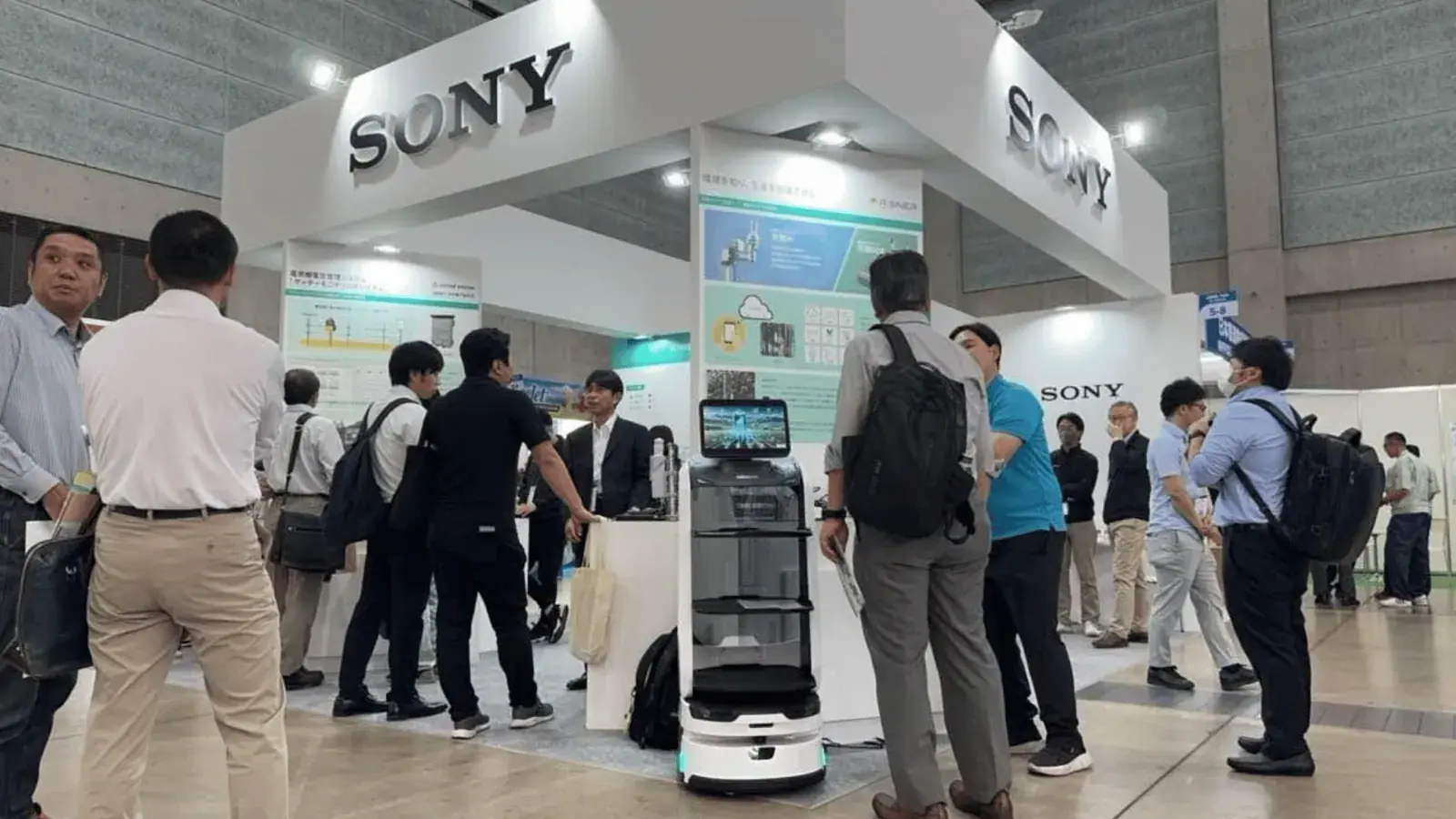
Peak months in hospitality rarely fail because of demand – they fail because systems get overloaded. More guests mean more orders, more movement, more pressure on every part of the operation. If the structure underneath isn’t ready, even a strong team starts to lose efficiency. This is why more operators are looking beyond traditional staffing and toward tools that can stabilize service. A service robot is one of the simplest ways to add that stability, especially during the most demanding weeks of the year.
The Reality of Peak Season in Cyprus
Every hospitality business in Cyprus knows the pattern. For a few months each year, everything accelerates. Restaurants are full from morning to late evening, hotels operate at maximum capacity, and guest expectations rise along with the temperature.
The challenge is not demand – it’s execution. Finding enough reliable staff for peak season, training them quickly, and maintaining consistent service becomes increasingly difficult. This is exactly where a service robot starts to make practical sense, not as a futuristic addition, but as a seasonal tool that helps stabilize operations when pressure is highest.
Why Seasonal Staffing Becomes a Bottleneck
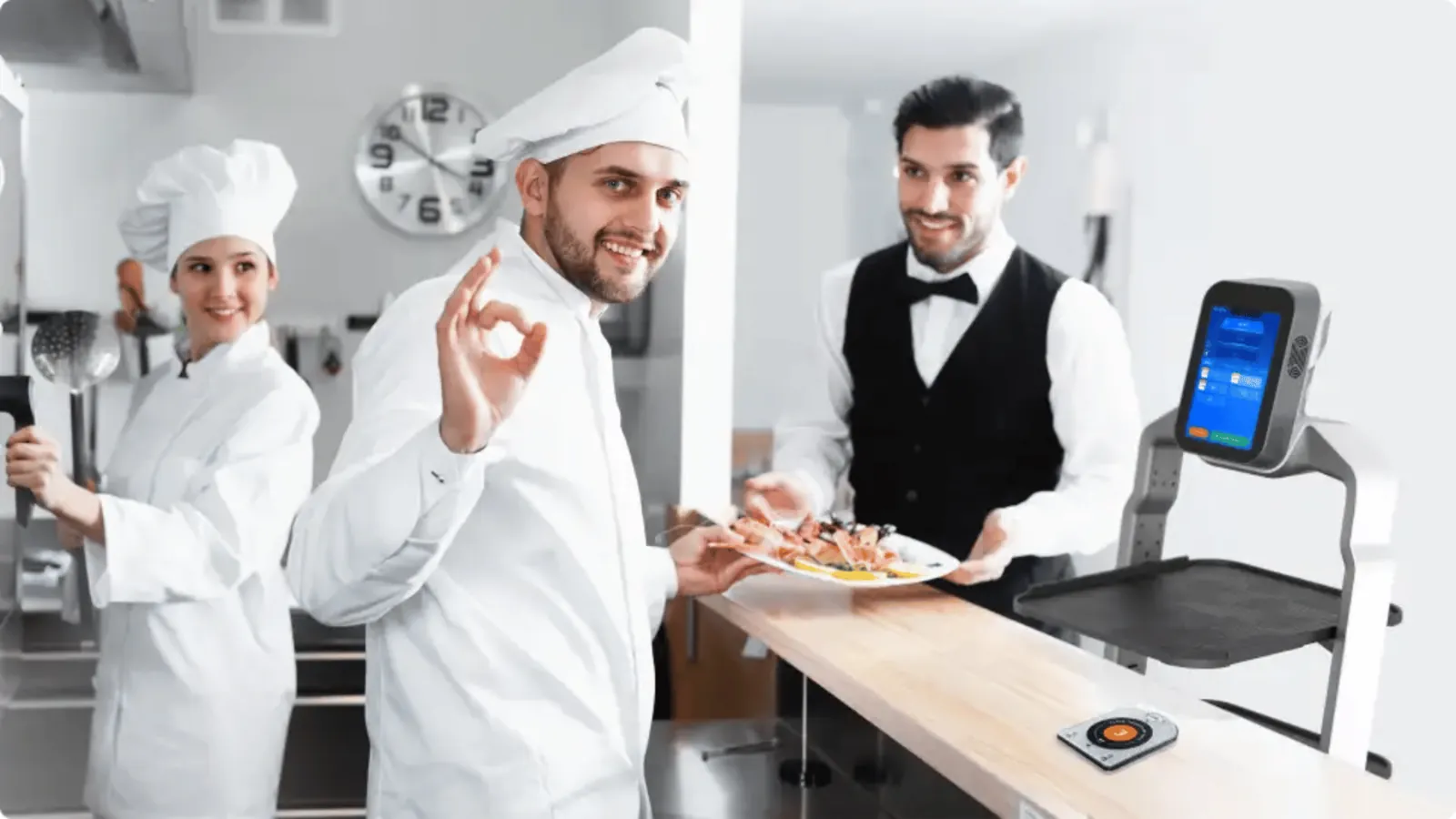
The reality of seasonal hiring is complex. Many venues rely on temporary workers who may not have experience, may stay only for a short period, and often need time to adapt to the workflow. Even with the best intentions, this creates inconsistency. Orders take longer to deliver, communication between kitchen and floor becomes less efficient, and experienced staff are stretched thin trying to manage everything at once. A service robot addresses a very specific part of this problem – the repetitive, time-consuming movement that usually absorbs a large portion of staff energy during busy shifts.
Instead of trying to fully replace seasonal staff, a more effective approach is to reduce the workload that requires the least human judgment. Carrying plates, moving between kitchen and tables, returning used dishes – these are essential tasks, but they do not require decision-making or guest interaction. When a robot takes over this layer, the rest of the team can focus on service quality. In practice, this means that even a smaller or less experienced team can operate at a higher level during peak months, simply because they are not overwhelmed by logistics.
Flexible Rental Instead of Long-Term Commitment
One of the biggest advantages in this context is flexibility. Unlike hiring, which requires contracts, onboarding, and scheduling, a robot can be introduced quickly and scaled depending on demand. This is why seasonal robots are increasingly used as part of short-term planning. A restaurant or hotel can rent a robot for the duration of the high season and return it when demand drops. There is no long-term commitment, and the cost becomes predictable and directly tied to the period when it generates the most value.
In Cyprus, this model fits naturally with the tourism cycle. During the summer months, venues often experience a sharp increase in volume, especially in coastal areas and resort zones. A service robot can operate continuously during these periods, supporting lunch and dinner service without fatigue. It can handle repeated delivery routes, assist with clearing tables, and reduce congestion in service areas. What’s important is not just the number of tasks it performs, but the consistency it brings.
How Robots Support Daily Operations
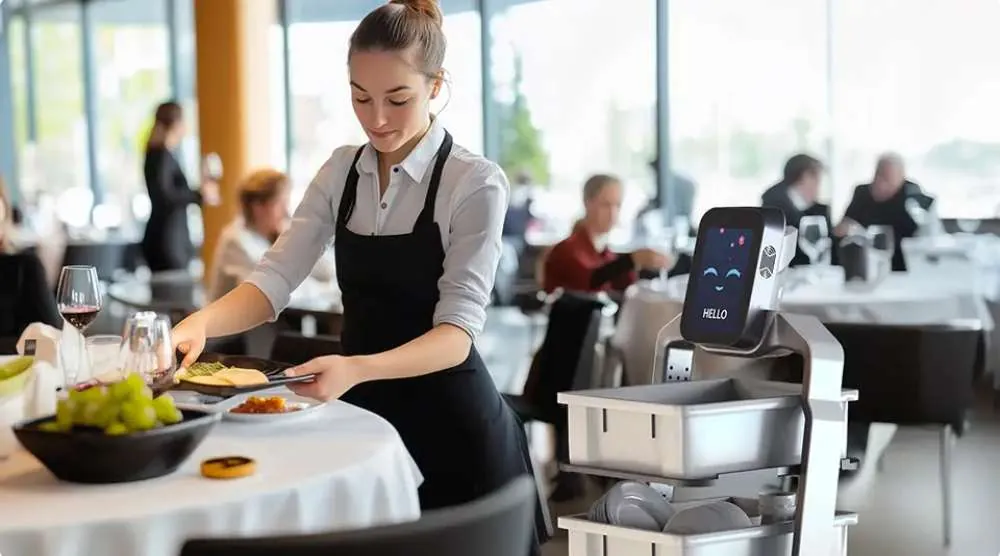
Operationally, the impact becomes visible quite quickly. In a busy restaurant, for example, the robot can act as a constant link between the kitchen and dining area. Orders are loaded in batches and delivered efficiently, reducing waiting time and minimizing back-and-forth movement. Staff no longer need to choose between serving guests and running to the kitchen. In hotel environments, the same principle applies. A service robot can support internal logistics, assist with deliveries across large properties, and even contribute to guest-facing services in a controlled and predictable way.
Another important aspect is how robots reduce pressure on experienced staff. During peak months, managers often rely heavily on their most skilled employees to maintain standards. This can lead to fatigue over time. By offloading repetitive tasks to a robot, you create breathing space within the team. Staff can maintain focus, stay more engaged with guests, and deliver a more consistent experience throughout the season.
Fast Setup, Real Impact
From a planning perspective, integrating a robot into seasonal operations does not require a complete overhaul. The setup process is relatively quick. The venue is mapped, key points are defined, and the robot is ready to operate within a short time frame. This makes it possible to deploy the solution even close to the start of the high season. Over time, small adjustments can be made to optimize routes and usage, but the initial barrier to entry is low compared to other forms of automation.
What makes this approach particularly effective is that it aligns cost with usage. Instead of investing in permanent changes for a temporary problem, you introduce a flexible tool that supports your team exactly when it is needed. This is why seasonal robots are not just a technical solution, but a strategic one.

How Robots Help Peak Months
Peak season is not just about handling more guests. It’s about maintaining control when everything speeds up. A service robot brings structure into that environment. It ensures that key processes continue to run smoothly, even when the pace increases. And while it doesn’t replace the human side of hospitality, it makes it much easier for your team to deliver it at the highest level.
Contact Reef Robotics to book a seasonal rental and prepare your venue for the busiest months in Cyprus.
